




Beyond the waves: La Union’s heights, baskets and waterfalls

Text size
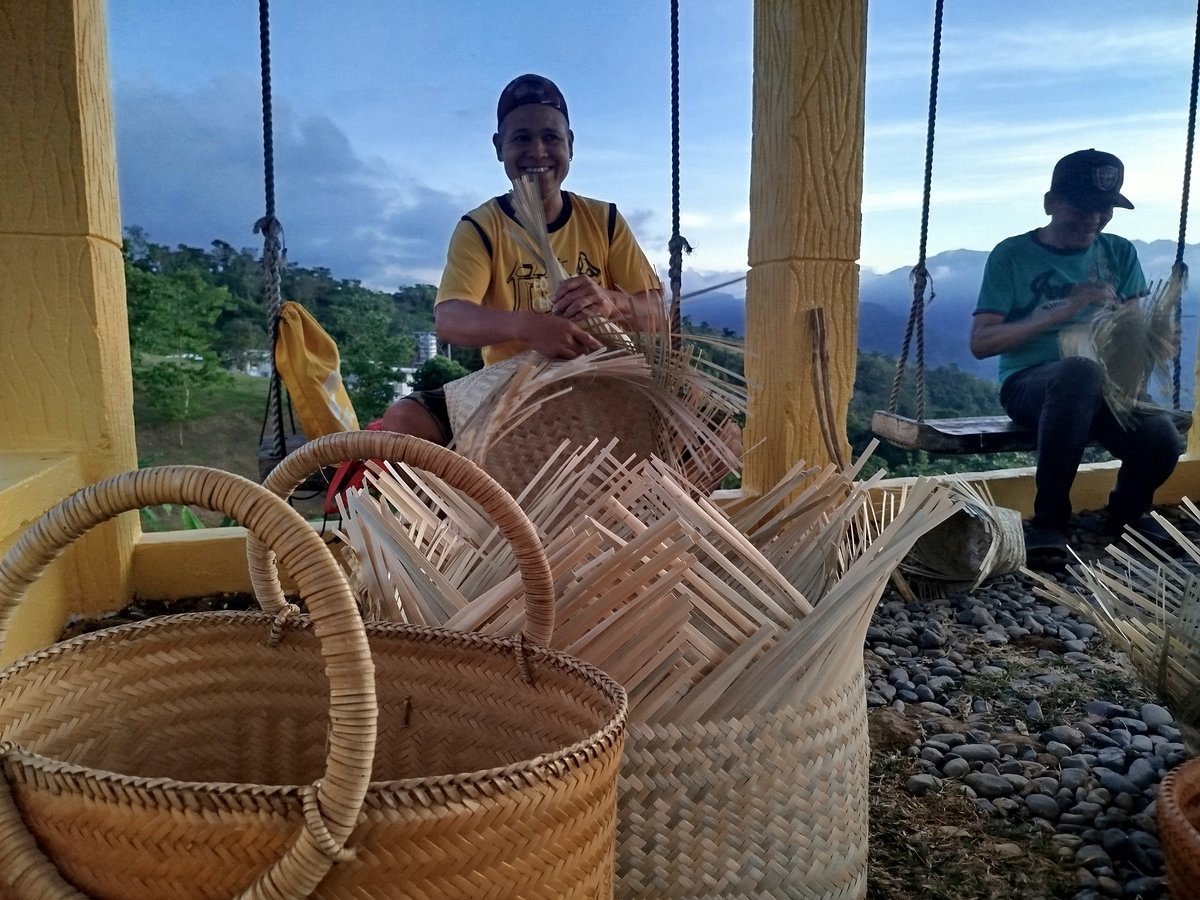
Basket weavers of Sudipen, La Union. Aldwin Quitasol
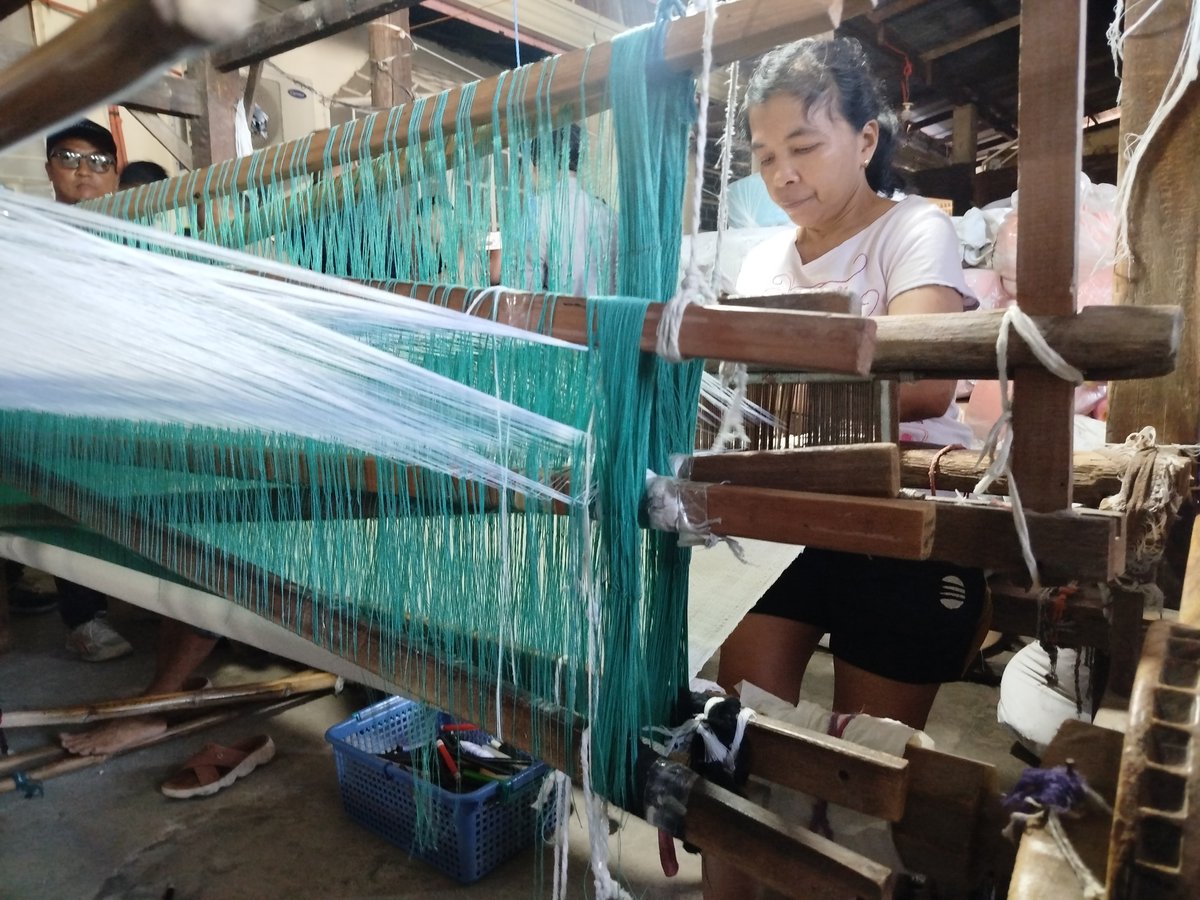
"Abel". Weaving through a traditional "telar" or wooden weaving machine. Aldwin Quitasol
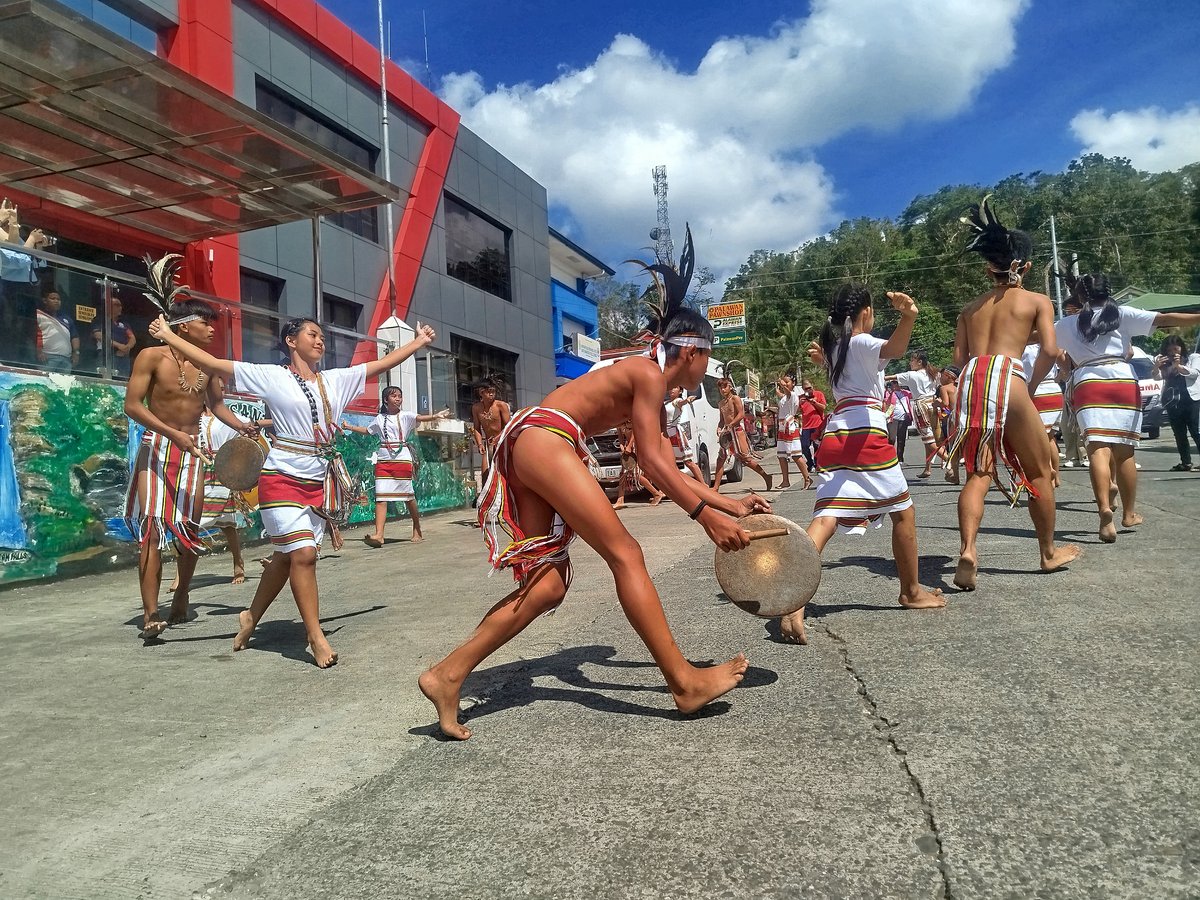
The children belonging to the Bagoel ethnic group of Santol, La Union. Aldwin Quitasol.
SAN FERNANDO CITY, La Union — Widely recognized as the surfing capital of Northern Luzon, La Union’s reputation often centers on the rolling waves of its 1st District.
But beyond the surfboards and sandy shores lies a rich blend of highland views, traditional craftsmanship and hidden waterfalls that continue to draw visitors seeking more than just the sea.
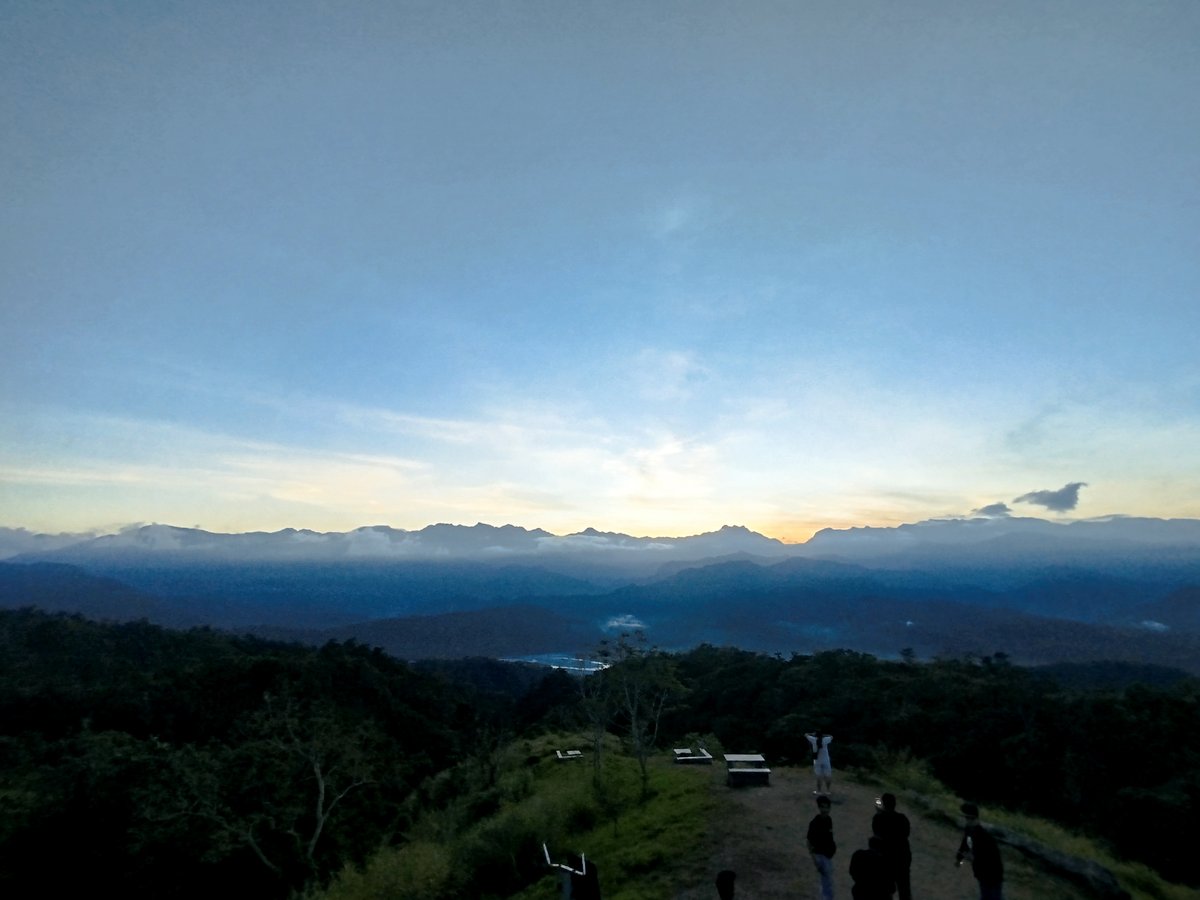
In the quiet municipality of Sudipen, nature lovers are greeted by a breathtaking sea of clouds and a golden sunrise at Top Allan Adventure Park in Barangay Up-uplas. Developed in 2019 by the family of Mayor Wendy D. Buquing, the park has become a favorite destination for tourists looking to experience cool mountain air and panoramic scenery. Each section of the park features its own theme, offering picturesque spots that capture the natural beauty of the uplands.
Sudipen is not only known for its scenic heights but also for its thriving bamboo weaving industry. In three barangays — Turod, Duplas and Bulalaan — bamboo craftsmanship remains a primary source of livelihood. Residents of Barangay Turod skillfully create various baskets and bayong, while artisans in Duplas and Bulalaan produce pasiking, traditional woven backpacks used in farming and daily transport. The craft, passed down through generations, reflects the community’s creativity and resilience.
Further north in Bangar, the tradition of weaving continues through the use of the telar, a traditional loom. Local weavers produce abel blankets, garments and other woven products that showcase the intricate artistry of Ilocano heritage. The rhythmic motion of the telar echoes a longstanding cultural practice that sustains both identity and income for families in the area.
Meanwhile, the municipality of Santol highlights both cultural diversity and natural attractions. Home to Indigenous Peoples such as the Bago — mostly descendants of intermarriages between lowland Ilocanos and Cordillera groups like the Kankanaey — the town preserves a culture deeply rooted in agriculture and community life. Migrants from Mountain Province and other Cordillera areas have also enriched Santol’s cultural landscape.
Nature enthusiasts visiting Santol can explore Simminublan Falls in Barangay Puguil, a serene destination surrounded by lush greenery. The cascading waters offer a refreshing retreat for travelers seeking adventure and tranquility away from the busy coastline.
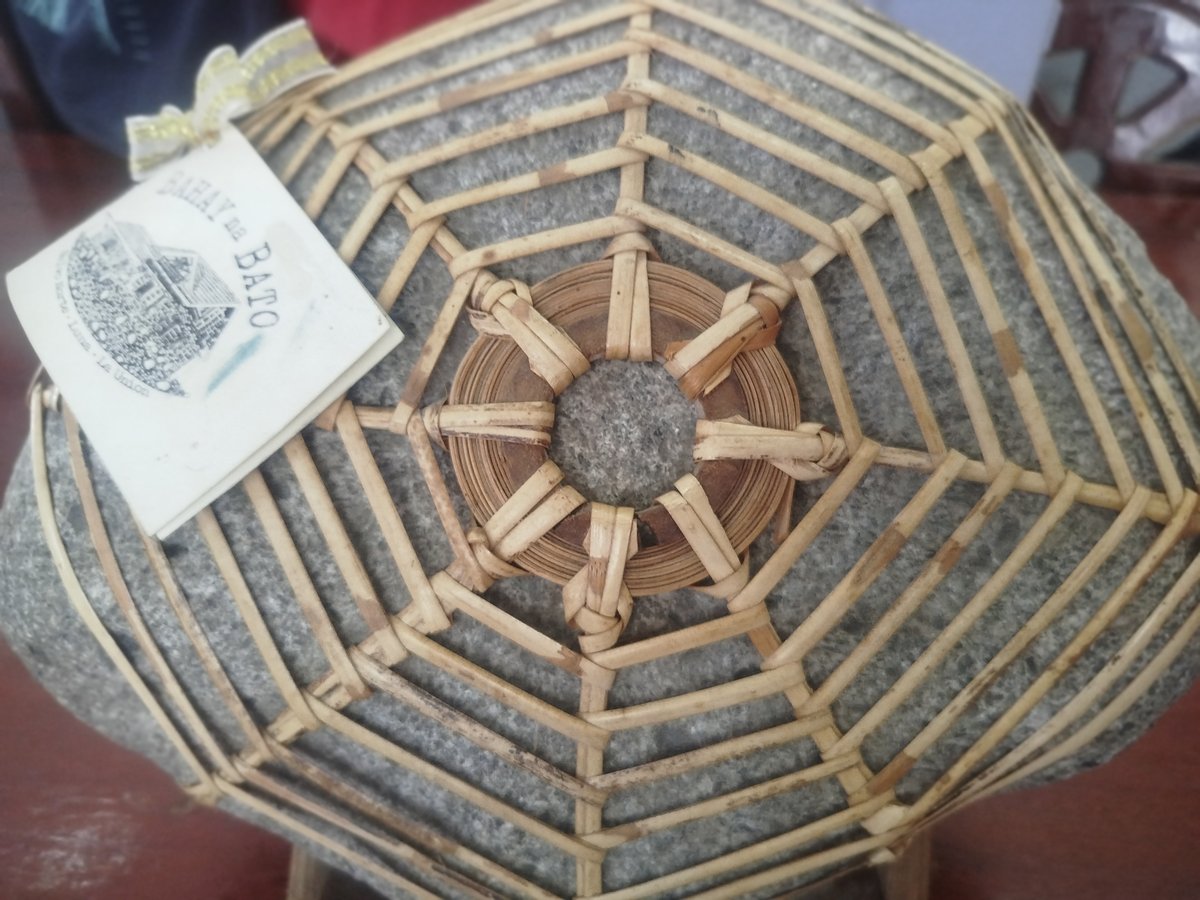
In Nalvo, Luna, the beach is covered not with sand but with pebbles. Because of this, a couple commissioned a Korean artist to build the “Bahay na Bato” in 2000. It has since become an attraction because of its uniqueness — a house constructed with stones and pebbles along the shore.
From cloud-kissed mountains and time-honored weaving traditions to cool waterfalls hidden in forested barangays, La Union proves it is more than a surfing haven. It is a province where culture, craftsmanship and natural wonders come together, offering both residents and visitors countless reasons to explore its heights, baskets and waters.
Three decades after the Marcopper mining disaster devastated Marinduque’s waterways, the province is again pressing the…
Housing is probably the biggest issue affecting people the world over.
Malacañang on Monday called for a more thorough investigation into the questioned flood control projects in Taguig…
The defense on Monday backed the move by senator-judges to exclude a prosecution witness who testified on the firearms…
