
Writing on the wall


The latest budget data, covering the Philippine government’s fiscal performance for the first 11 months of last year, showed a P1.26-trillion deficit, up 7.38 percent or P87 billion from a year ago, as spending grew faster, at 2.49 percent, than revenues, which rose 1.09 percent.
Included in the data, Nosy Tarsee found, is the primary deficit, which excludes interest payments on debts at P463 billion, down 1.77 percent or P8.4 billion from the same period last year. The plateauing is due to delays in some projects, like flood control, amid corruption probes, which is not a sign of strength but more like a pause in spending.
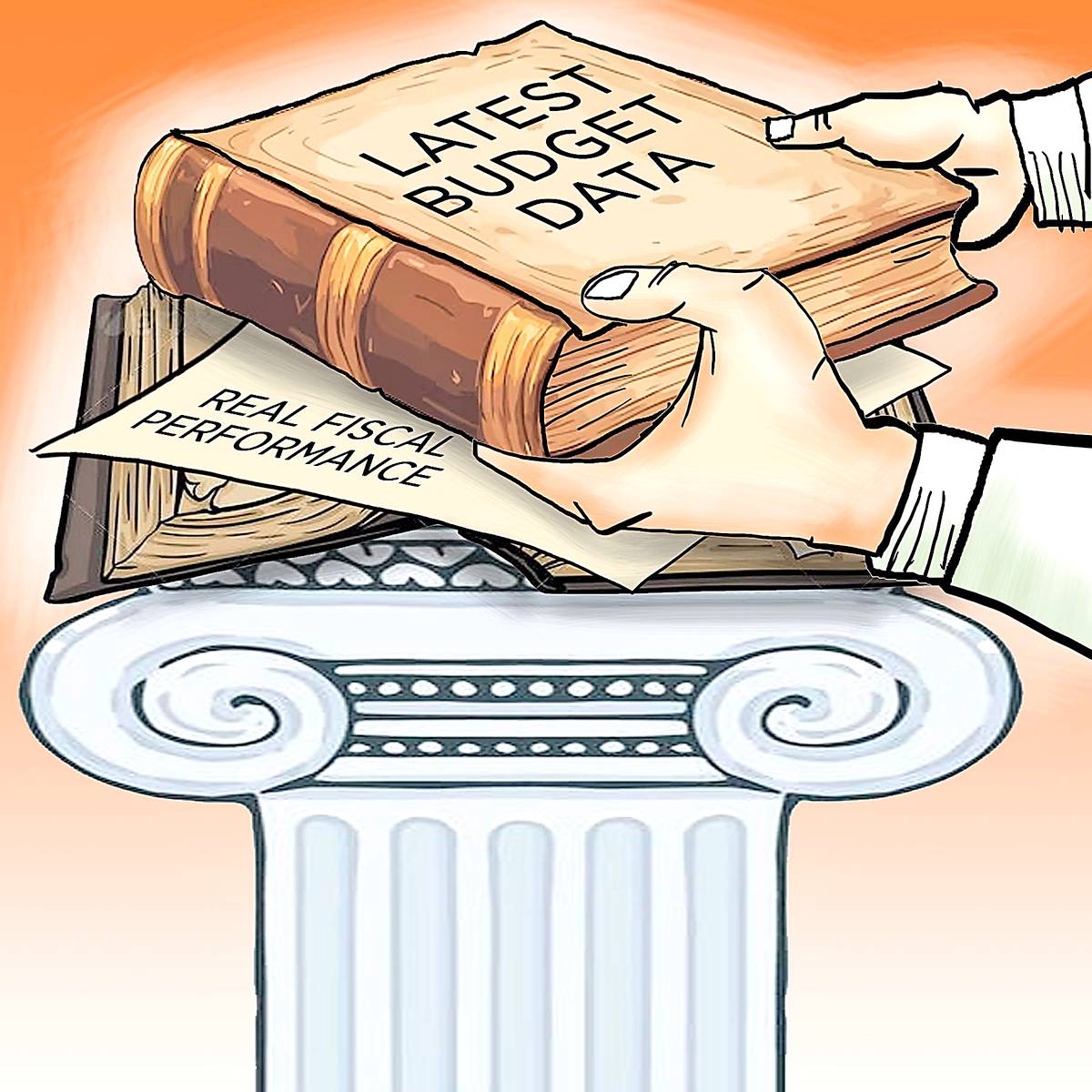
The data painted a picture of a government managing its books “prudently” on the surface as the deficit remained under target, revenues beating some goals, but deeper issues signaling weakening fiscal health, Nosy Tarsee was told.
The deficit is financed largely through borrowing, and the backdrop of Unprogrammed appropriations (UA), which are standby funds that can be tapped if extra revenues appear, added to the concerns. The UA has been controversial in recent budgets, criticized as a “budget racket” or shadow pork barrel.
They allow Congress to insert projects without full scrutiny, potentially leading to misuse, inefficiencies, and more debt.
The deficit grew as spending outpaced revenues, requiring the government to borrow more to cover the gap, adding to the already high national debt.
In the 2025 budget, the UA was initially set at P363 billion but this was lowered by President Marcos to P195 billion.
These funds are “unprogrammed” because they’re not tied to specific revenues, but critics argue they’re used to fund pet projects when money is “found” through excess taxes or loans.
If revenues fall short, as seen in non-tax revenue declines, activating the UA could force more borrowing, inflating the deficit beyond the P1.56-trillion target.
Higher borrowing leads to more interest payments, already up 13.49 percent, the fastest growing expense. This creates a vicious cycle: Borrow today, pay more interest tomorrow, leaving less for essential services.
The UA is supposed to be funded by “excess” revenues, but with volatile non-tax income, they’re often unrealized or they trigger borrowing. In 2025, funds were shifted from programs like social aid (4Ps) and health (PhilHealth) to the UA for congressional insertions, cutting P50 billion from 4Ps and P74 billion from PhilHealth. This reallocated money away from priorities, potentially worsening the inequality.
Slow revenue growth amid rising spending signals unsustainable finances. If taxes don’t accelerate, the government may impose new ones or borrow more, straining the economy.
If the UA is tapped without real excess revenues, it could push the full-year deficit higher, forcing more debt. Combined with the data’s trends, this suggests that fiscal consolidation is mere rhetoric, that actual health is deteriorating, and that borrowing serves as the crutch.
While the government touts “prudent management,” the data reveal imbalances: sluggish revenues, surging debt costs, and the UA as a risky wild card. These could lead to more borrowing, higher taxes, and cuts to vital programs, threatening long-term stability.