
DOT backs heritage protection initiatives in Kalinga

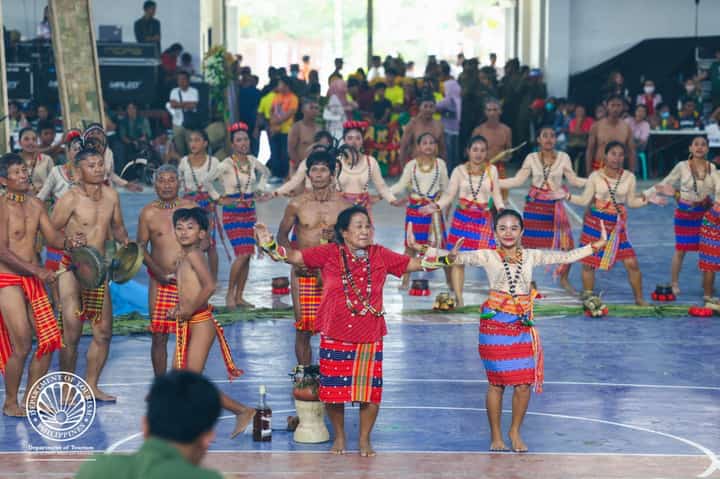
The Department of Tourism (DOT) is stepping up support for tourism development in Kalinga Province, with a focus on preserving cultural heritage while expanding economic opportunities for local communities.
Tourism Secretary Christina Garcia Frasco made the commitment during her visit to Tabuk City for the 31st Bodong Festival, held in line with the province’s founding anniversary. She underscored the need for what she described as “guided growth” in tourism, ensuring that development strengthens communities without compromising culture and the environment.
“Accessibility must improve. Skills must be further strengthened, and infrastructure must support, not overwhelm, our communities. This is why the Department of Tourism fully supports our national government programs to provide connectivity and accessibility to Kalinga Province as well as to improve connectivity to heritage villages and natural sites, and strengthen the capacities of tourism workers through the Filipino Brand of Service Excellence,” Frasco said.
As of end-January 2026, the DOT reported training 741 tourism workers under the Filipino Brand of Service Excellence program and 212 under the Tourism Industry Skills Program. The latter includes courses on community tour guiding, tourism awareness, capacity-building seminars and training for tourist-oriented police.
The agency has also backed local initiatives such as Slow Food Pasil, promoting heirloom rice and local culinary traditions. Pasil, one of Kalinga’s municipalities, previously received the DOT’s Best Tourism Village recognition. Its heirloom rice has gained international attention, with Michelin-starred chef Chele Gonzalez sourcing it for his restaurant’s rice menu.
While tourism in Kalinga remains largely driven by domestic visitors, connectivity continues to be a key issue. The province can be reached by long-distance bus from Metro Manila or through flights to Tuguegarao in Cagayan or Cauayan in Isabela, followed by several hours of land travel. Local officials have requested the establishment of Tourist Rest Areas in Balbalan, Rizal, Tinglayan and Tabuk City to improve visitor convenience.
Tabuk City has also earned the Association of Southeast Asian Nations Clean Tourist City Award for two consecutive cycles under the ASEAN Tourism Standards Awards, highlighting efforts to maintain cleanliness and sustainable tourism practices.
For local leaders, tourism growth must not come at the expense of identity. Kalinga Governor James Edduba stressed the importance of safeguarding tradition alongside development.
“Our traditions must not diminish. Instead, they must evolve with dignity, be preserved with pride, and be passed on with a purpose to the next generation. Progress should never mean forgetting who we are. True development happens when growth is uncovered in identity,” Edduba said.
Kalinga Rep. Caroline Agyao echoed the call for responsible tourism, noting the province’s appeal lies in its authenticity.
“Secretary, your presence here today is a recognition that Kalinga has something the world is searching for authenticity. In an era of mass tourism and homogenized experiences, travelers no longer want just a beach and a buffet. They want a story. They want a soul. They want to stand on the rice terraces cared for by ancestors, hear the echo of the chant of our elders, and meet the woman whose plant has kept an art alive for decades, siya po si Apo Whang Od. We have all of this, but we also have a responsibility. We have to tell our story on our own terms,” she said.
She also cautioned against unchecked tourism growth. “Tourism, if done carelessly, can become a predator dressed as a gift. It can reduce our sacred rituals to scheduled performances. It can turn our elders into photographs,” Agyao added.
Data from the DOT-Cordillera Administrative Region show that Kalinga recorded 331,447 same-day visitors in 2025, with the vast majority coming from within the Philippines. The figures underscore the province’s reliance on domestic tourism, even as national officials push for improved access and broader market reach.
For the DOT, the challenge is to expand Kalinga’s tourism economy while preserving the cultural traditions showcased during the Bodong Festival, including rituals and performances rooted in the province’s indigenous heritage.