
3 NZ nationals barred entry to PH
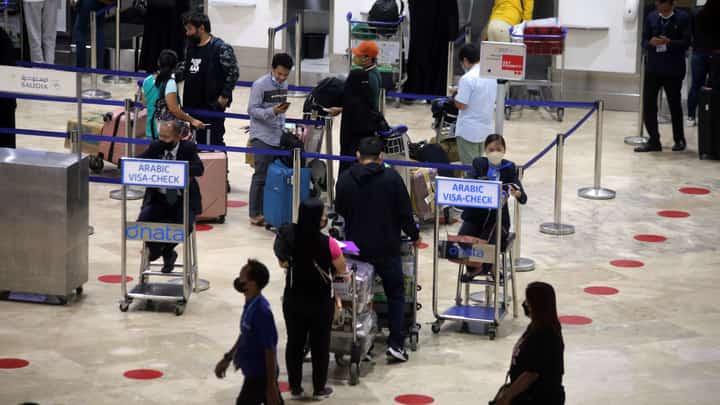
Three New Zealand nationals were denied entry to the Philippines over their links to an international criminal organization, according to the Bureau of Immigration (BI).
BI Commissioner Joel Anthony Viado identified the passengers as Alexander Michael Schmalkuchen, 38; Stanley Savinata Sunguturanga, 41, and Ethan Schipper, all holders of New Zealand passports.
Schmalkuchen and Sunguturanga arrived at the Ninoy Aquino International Airport (NAIA) Terminal 3 on the evening of 7 February via a China Southern flight from Guangzhou, while Schipper arrived on a similar flight on 9 February.
According to BI Interpol Chief Peter de Guzman, immigration officers at the arrival area requested verification after the passengers registered a hit in the INTERPOL system. Subsequent confirmation showed that all were subjects of a Diffusion notice involving a criminal organization.
Further checks revealed that the trio have multiple prior convictions in various countries and are identified as members of the Hells Angels Motorcycle Club, an outlaw motorcycle gang monitored internationally for alleged involvement in organized criminal activities.
All three were excluded and denied entry under the Philippine Immigration Act, which bars the admission of foreign nationals whose presence is deemed contrary to public safety and national security.
Viado issued a strong warning that the Philippines will not serve as a safe haven or transit point for members of transnational criminal organizations.
“We are closely coordinating with INTERPOL and our international counterparts to ensure that individuals linked to organized crime are detected and stopped at our borders,” Viado said.