
Peso surges, PSEI climbs to finish a hair’s breath away from 6,500 level
The peso closed at P58.29 vis-à-vis the US dollar from the previous session’s P58.53 finish, its appreciation fueled by sustained foreign portfolio inflows, improving confidence in the Philippines’ macroeconomic outlook, and expectations that easing inflation could provide room for a more accommodative monetary stance from the Bangko Sentral ng Pilipinas.
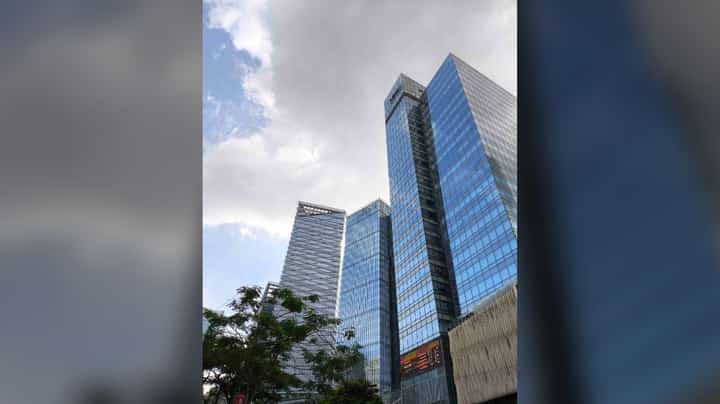
Philippine Stock Exchange trading on Wednesday was robust, with value turnover reaching P7.58 billion, exceeding the year-to-date average of P6.44 billion. Foreign investors remained supportive, posting net inflows of P834.62 million.
PHOTOGRAPH COURTESY OF WIKIPEDIA
The Philippine Stock Exchange index (PSEi) extended its upward momentum on Wednesday, climbing 0.37 percent to finish at 6,498.82 — a hair’s breath away from the 6,500 level.
The local bourse drew support from the continued appreciation of the peso, which helped improve investor sentiment toward domestic assets. Market participants also welcomed strong banking sector data.
Manageable domestic liquidity
The Bangko Sentral ng Pilipinas reported on Monday evening that bank lending expanded 9.2 percent year-on-year in December, with domestic liquidity, meanwhile, remaining “manageable,” which investors appreciated as indicating sustained credit demand and economic resilience.
The central bank also reported on Tuesday afternoon that foreign direct investments (FDIs) increased for a second consecutive month, posting $897 million in November 2025 — up by roughly $255 million from the previous month, or about 28 percent, indicating recovering foreign investor confidence despite ongoing governance concerns.
Trading activity remained robust, with value turnover reaching P7.58 billion, exceeding the year-to-date average of P6.44 billion. Foreign investors remained supportive, posting net inflows of P834.62 million.
Sectoral performance was mixed, with mining and oil stocks leading gains, rising 1.55 percent, while conglomerates were Wednesday’s main laggard, slipping 0.20 percent. Advancers outpaced decliners, 106 to 89.
Jollibee Foods Corporation led index gainers, jumping 4.10 percent to P208.20, with the recent upswing of the peso lowering import costs for food inputs such as meat, dairy, and other dollar-priced commodities. This improves margins for restaurant operators like Jollibee and supports earnings expectations.
Puregold Price Club Inc. was the session’s biggest laggard, falling 2.05 percent to P38.20. PGOLD belongs to the consumer staples/retail grocery segment, which investors usually treat as defensive.
During sessions when risk appetite improves or liquidity expectations rise, funds often rotate toward growth-sensitive sectors such as banks, industrials, or services. That rotation can pressure staple retailers even without negative company-specific news.
Meanwhile, the peso surged further to close at P58.29 per US dollar from the previous session’s P58.53 finish. The local currency’s appreciation was fueled by sustained foreign portfolio inflows, improving confidence in the Philippines’ macroeconomic outlook, and expectations that easing inflation could provide room for a more accommodative monetary stance from the Bangko Sentral ng Pilipinas.
The peso also benefited from softer demand for the US dollar amid improving global risk appetite. The currency’s strengthening helped lift equities by easing imported inflation concerns and improving the outlook for consumption and interest rate-sensitive sectors.