
Stitched with soul: How ‘Lahi’ redefined the language of craft
Every stitch and beadwork detail whispered of the artisans from Baguio to Batanes, echoing the legacy and homage of those who came before.


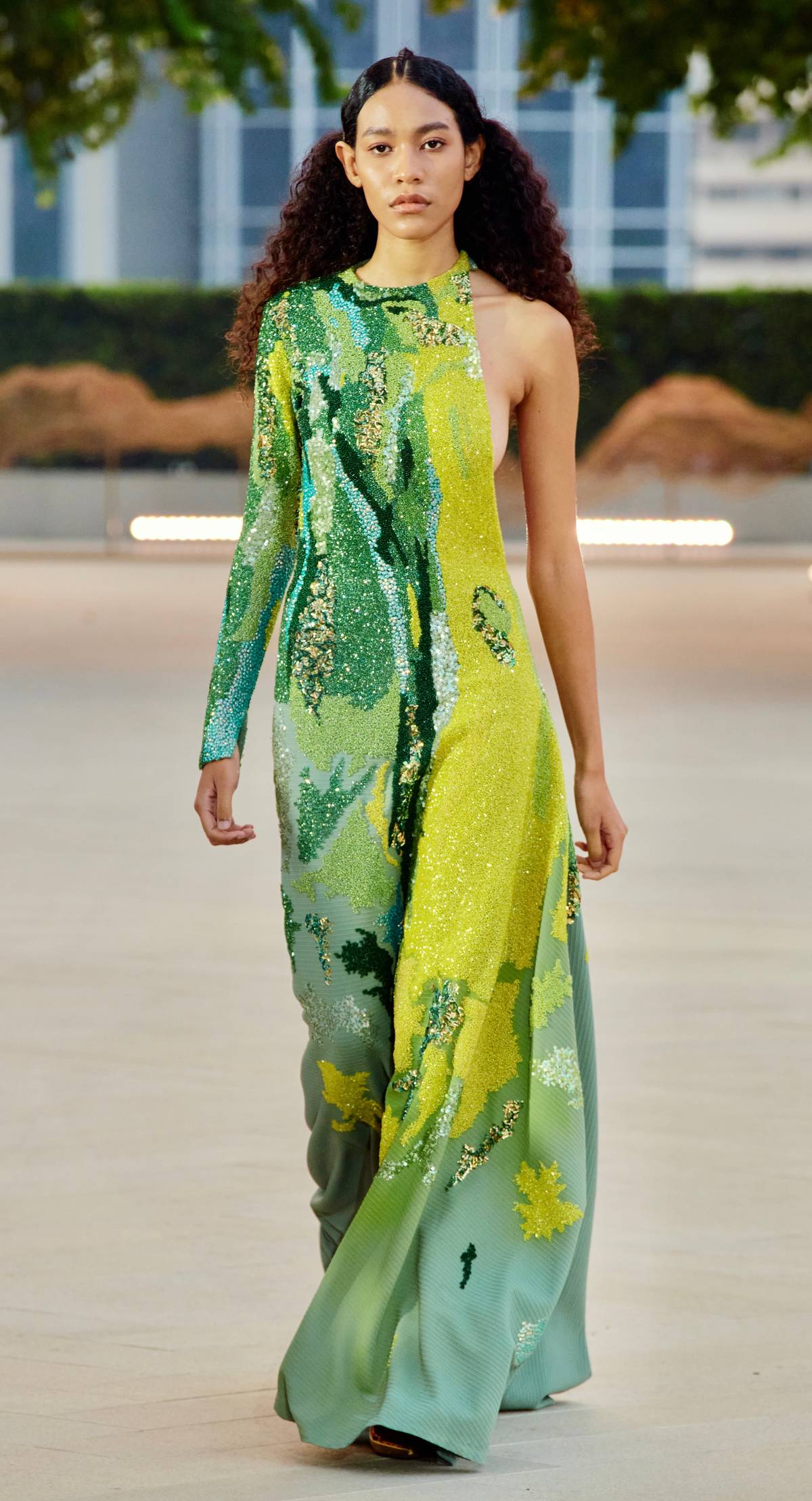
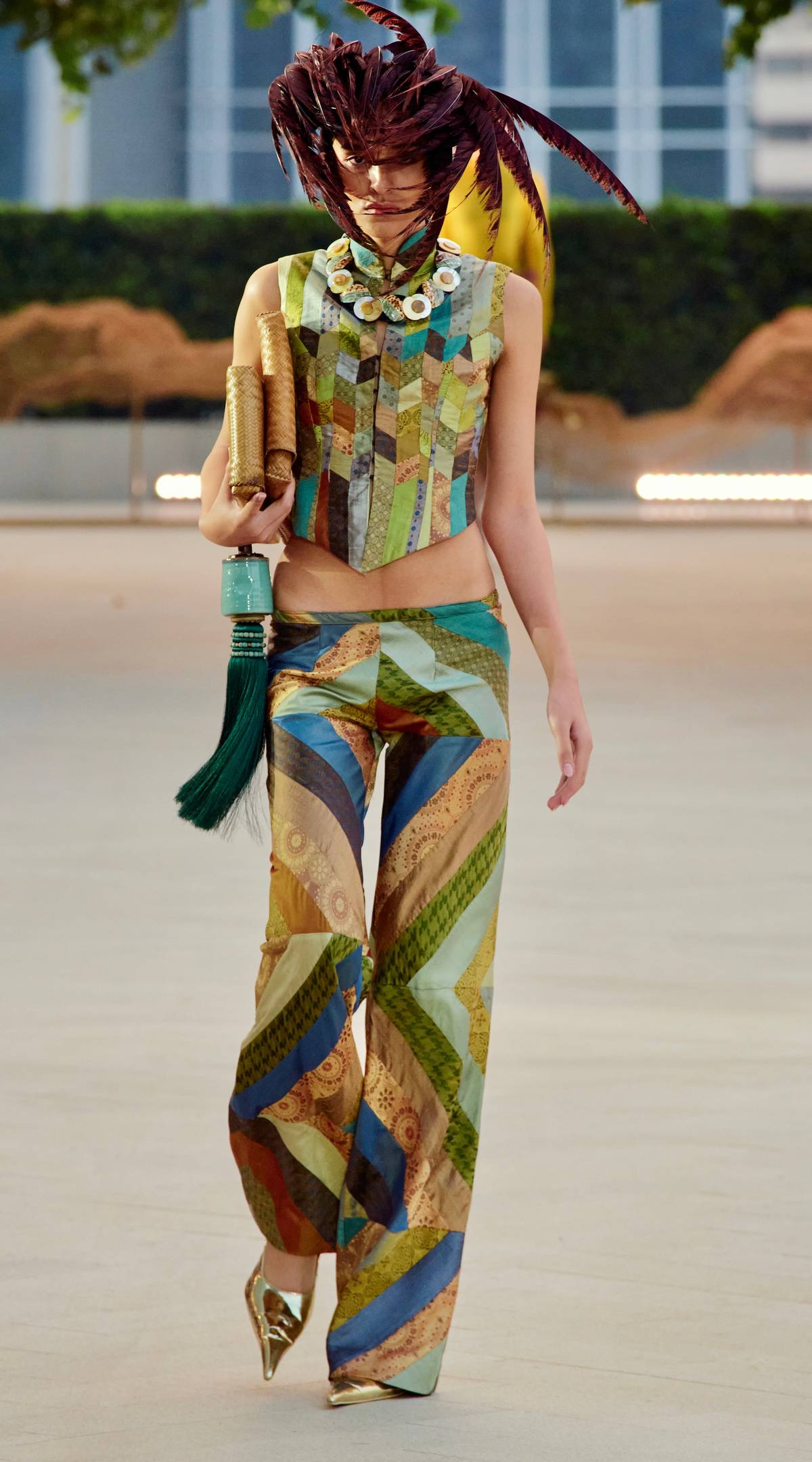
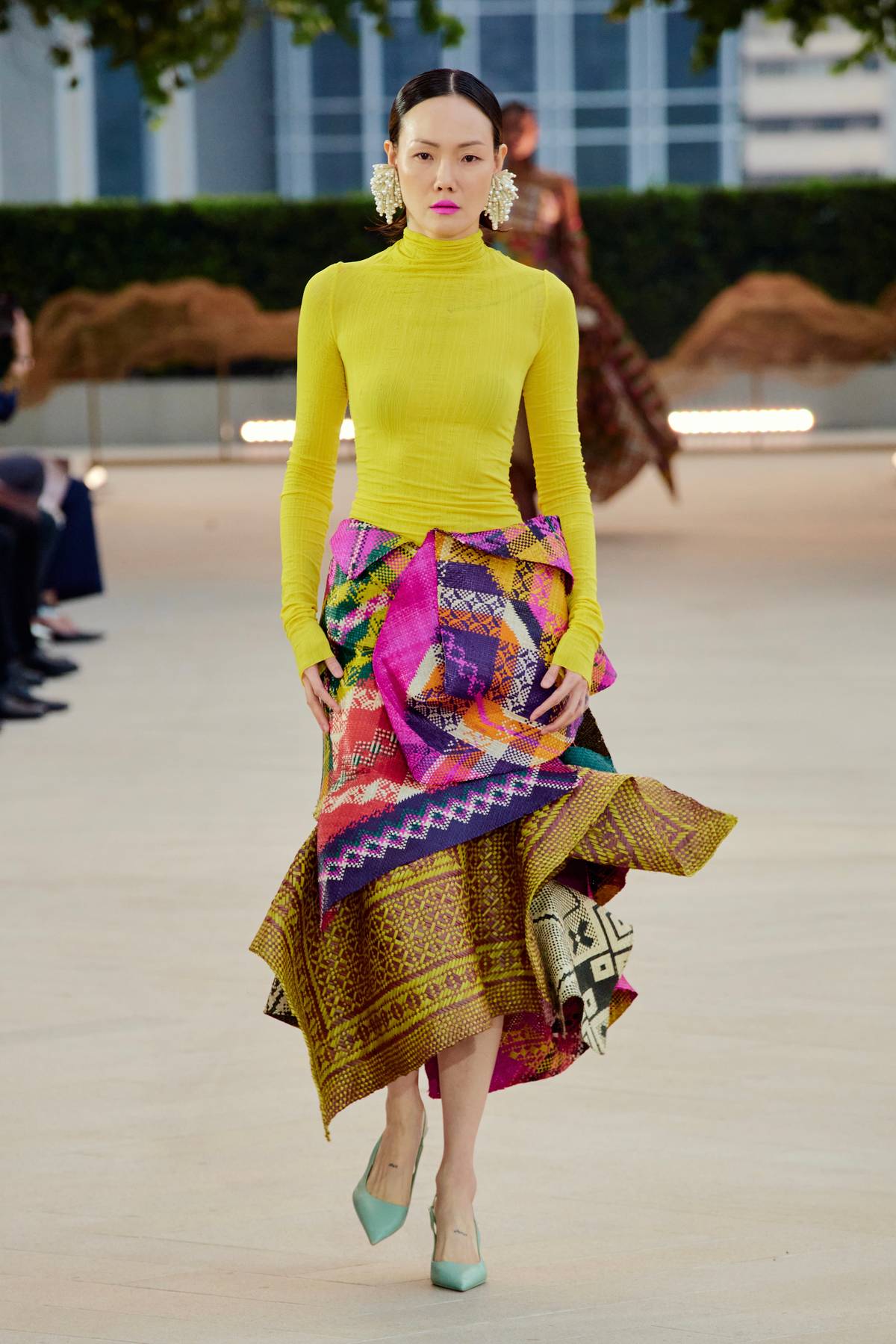
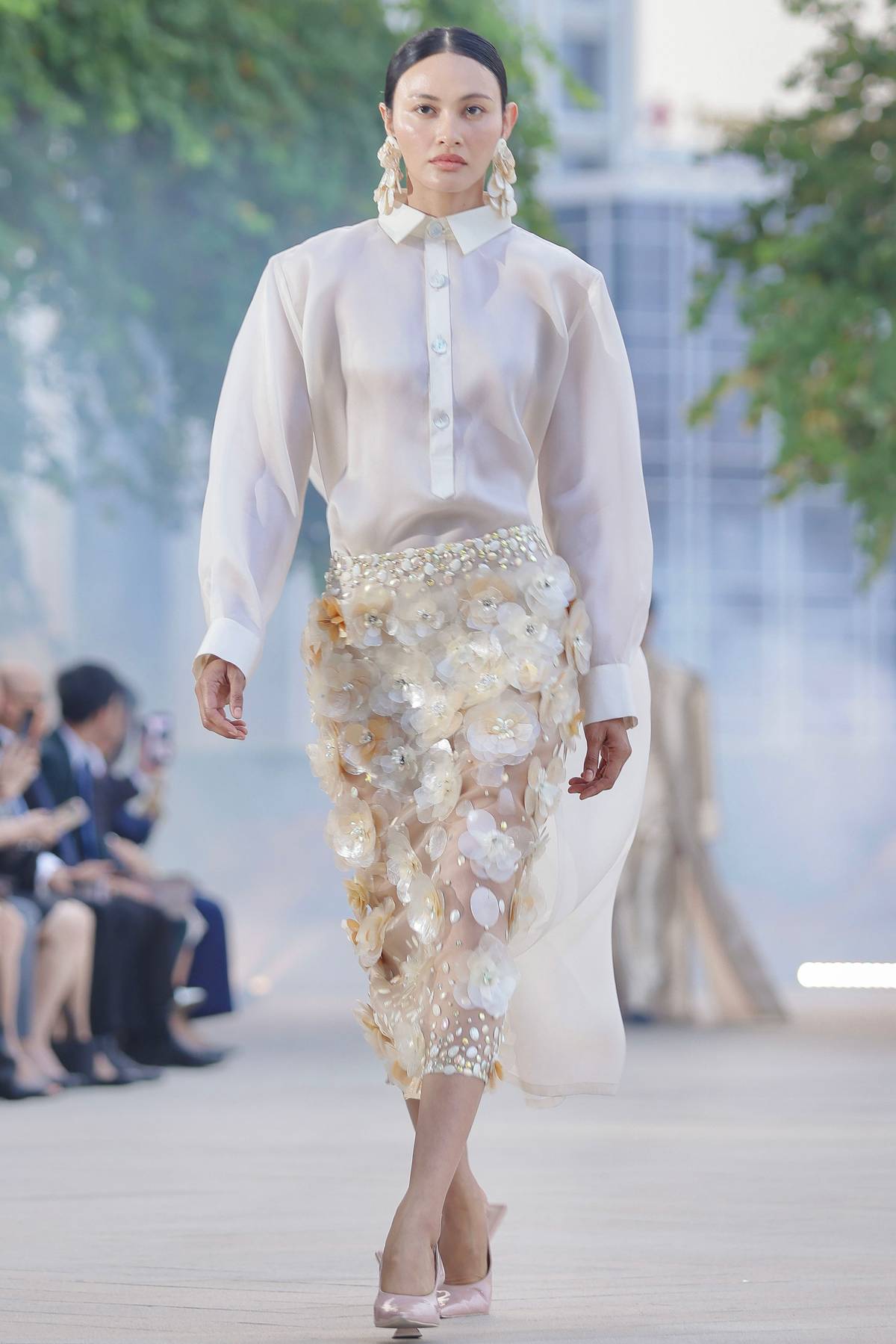
Rajo Laurel’s Lahi collection, unveiled last 30 January in Dusit Thani Bangkok, was a profound masterful showcase on the wearability of craft.
Staged as a highlight of Bangkok Design Week in partnership with the Department of Trade and Industry’s (DTI) Malikhaing Pinoy program spearheaded by Secretary Ma. Cristina A. Roque, alongside the Philippine Ambassador to Thailand, H.E. Millicent Cruz Paredes, the outstanding designer presented a 33-piece couture lineup that was a narrative of inheritance — a direct dialogue with his roots, his late father and the multifaceted Filipino identity. The event positioned Filipino couture as a formidable contender in the Asean creative economy, proving that local heritage possesses a universal language of elegance.
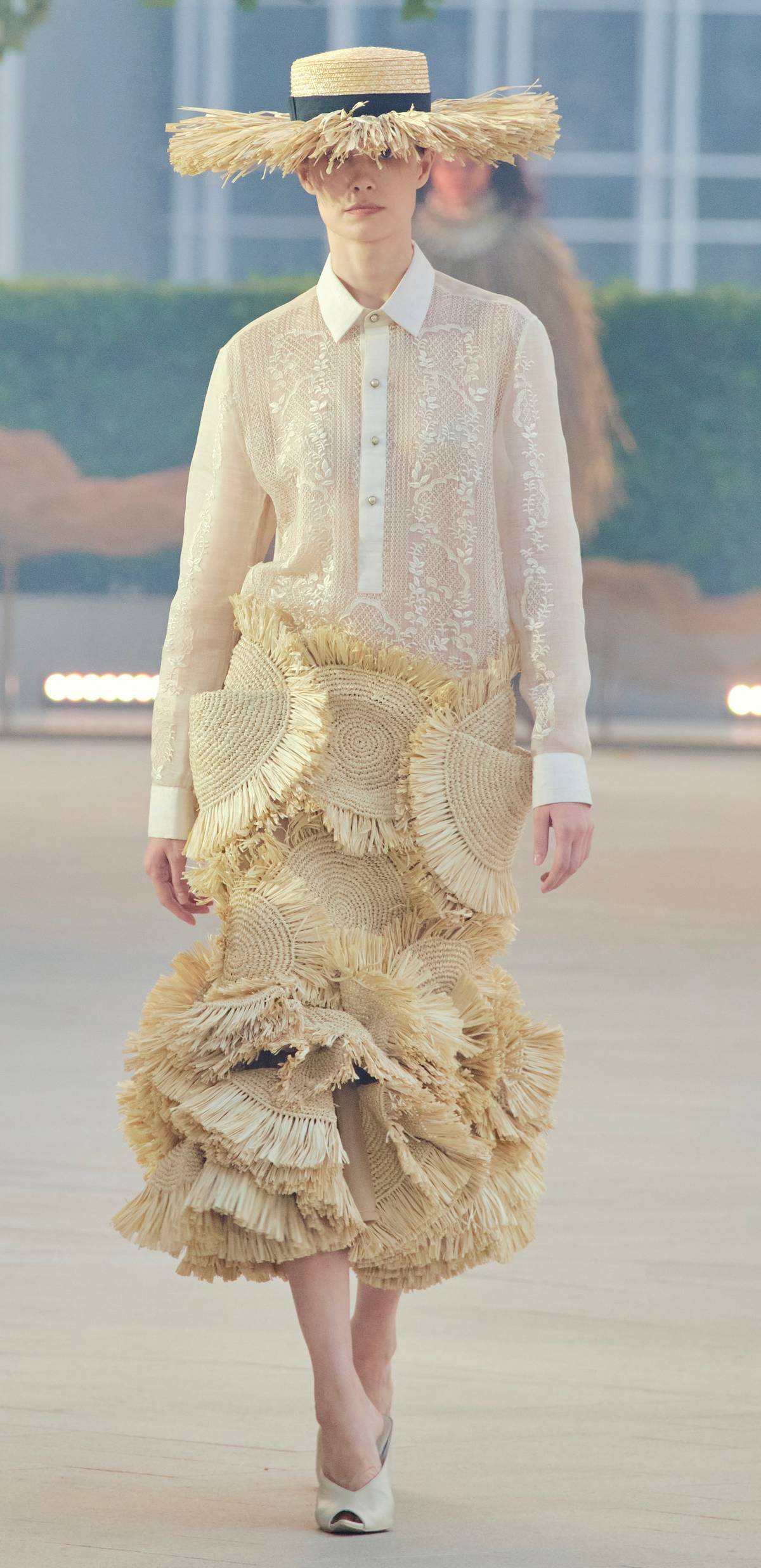
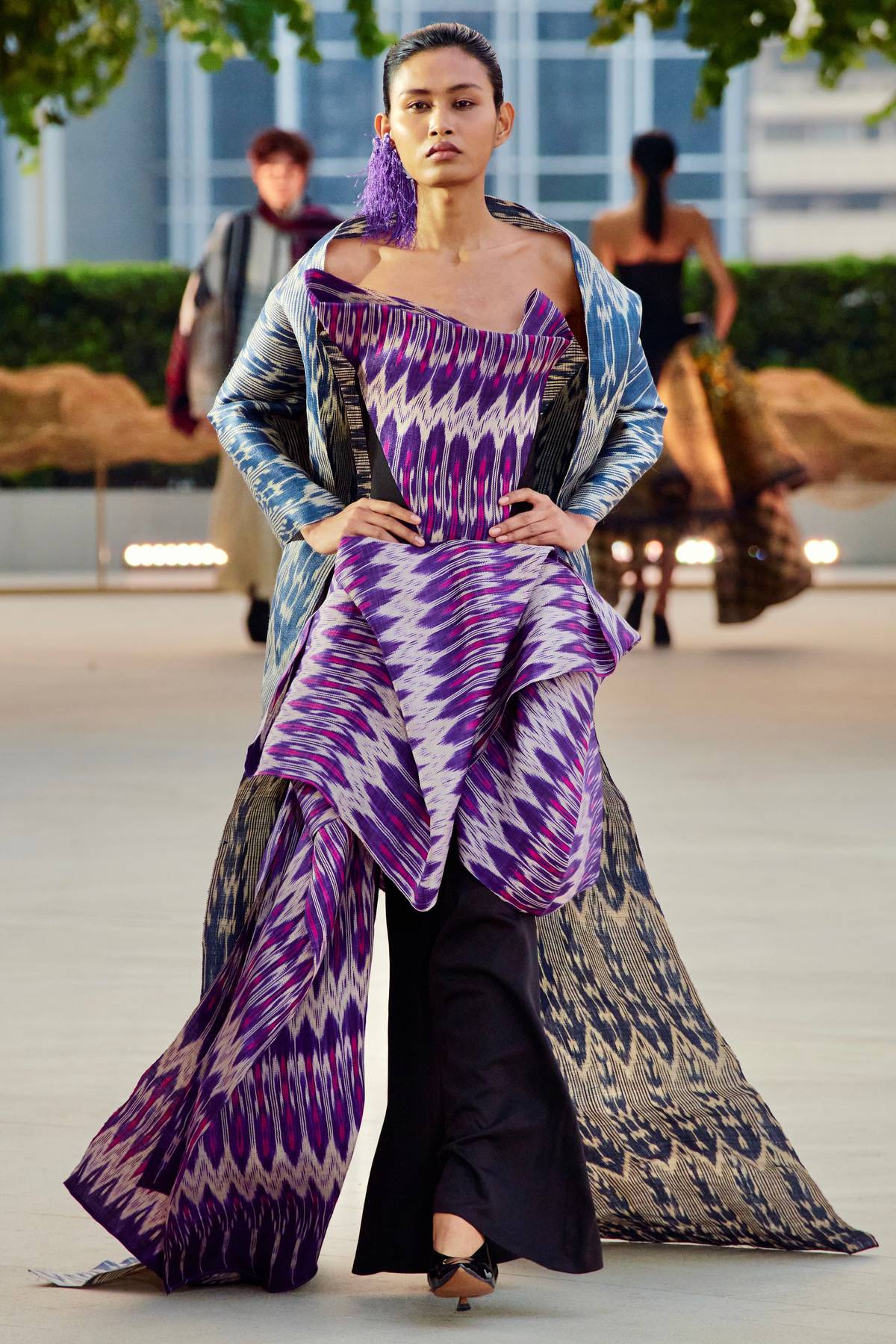
The collection’s brilliance lies in its masterful tension between humble origins and architectural grandeur. Laurel pushed traditional textiles like piña, abaca silk and T’nalak into bold, sculptural forms that challenged the boundaries of standard eveningwear. Raw materials used for decor and furniture have been transformed into chic masterpieces of style that were deeply personal and expertly refined.
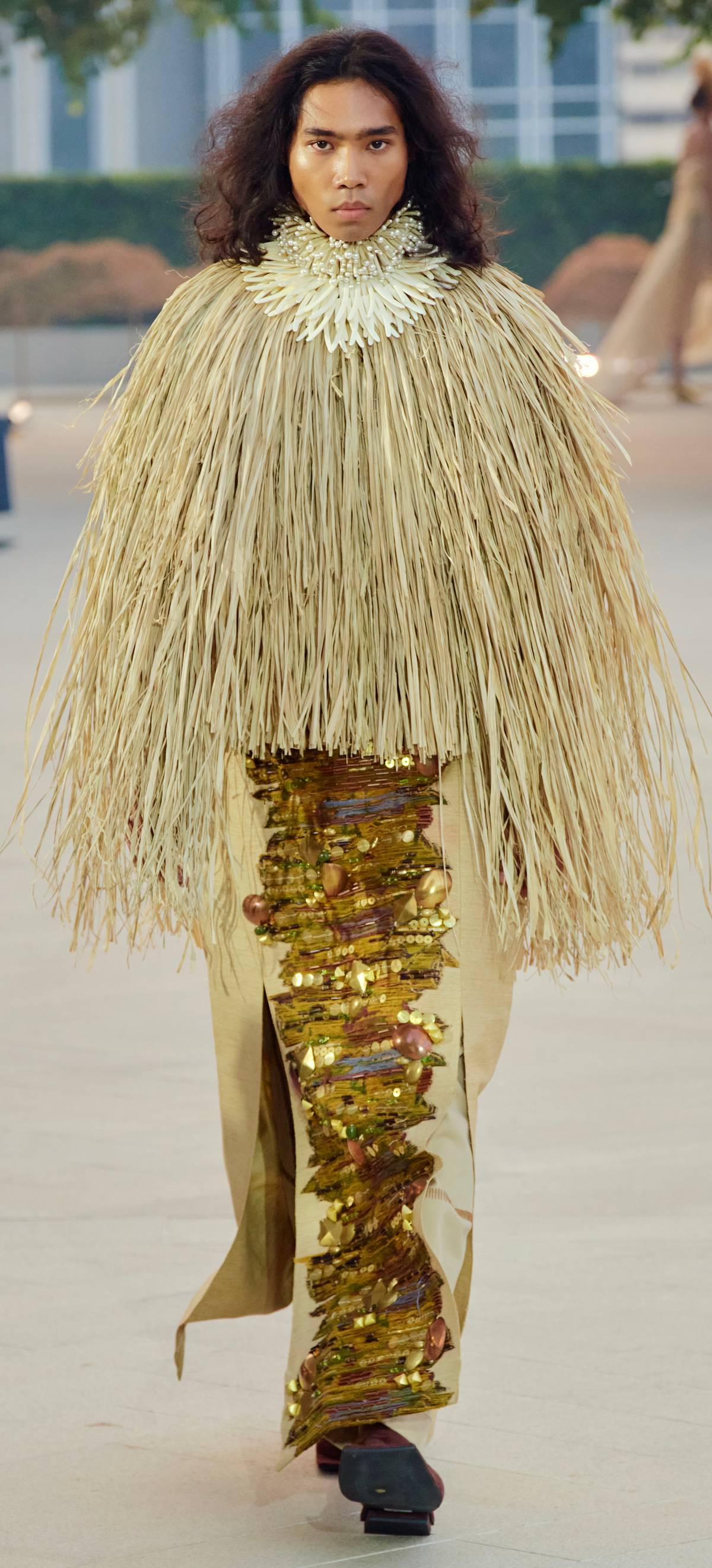
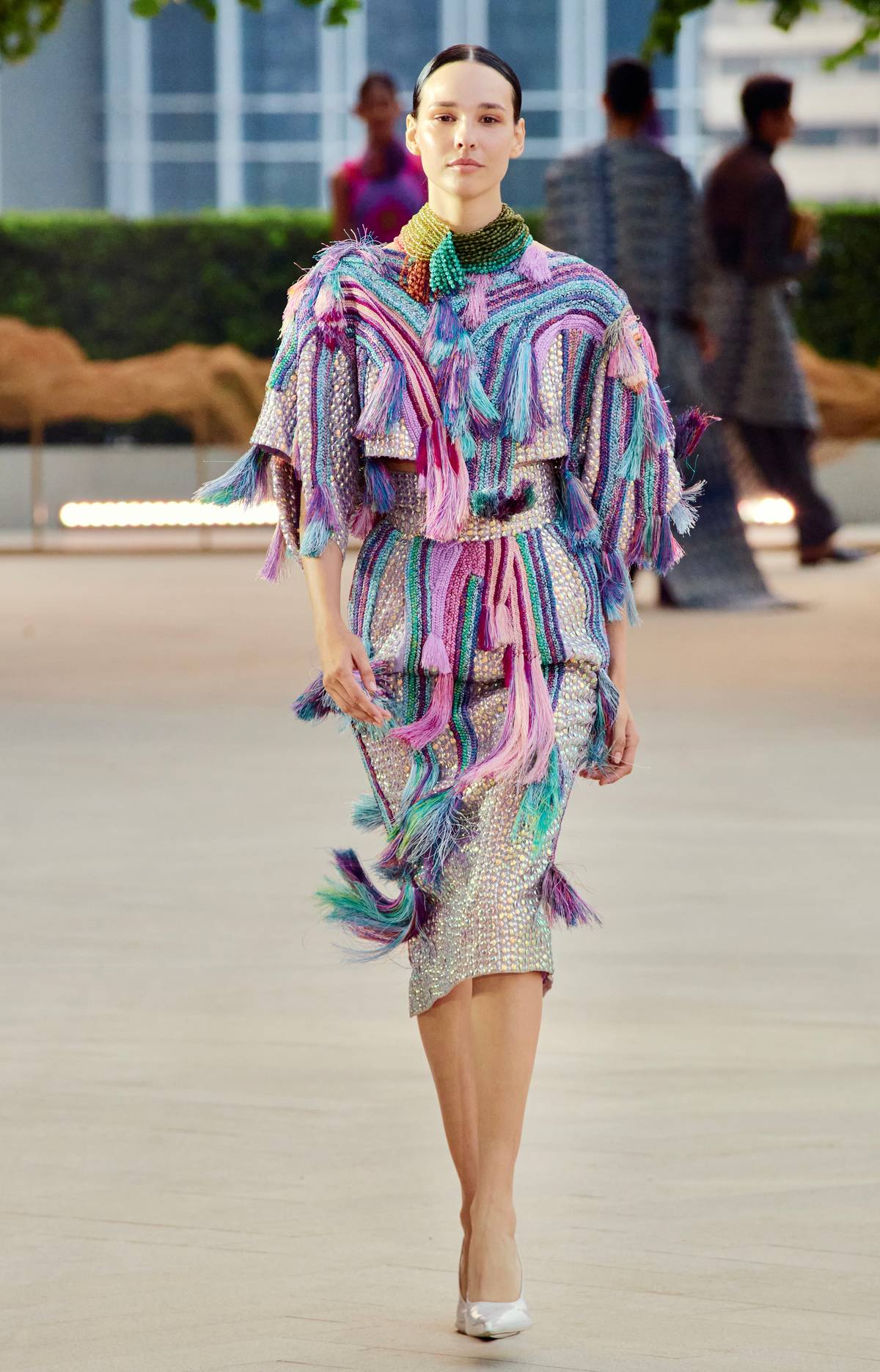
The collection included standout pieces that represented patriotism in design. Every silhouette felt renewed, fresh and intentional. Local craft was elevated to haute couture and inventively became a stunning, captivating and relevant testament of wearability. It was visionary and took the fashioning of Philippine culture and tradition a step forward.
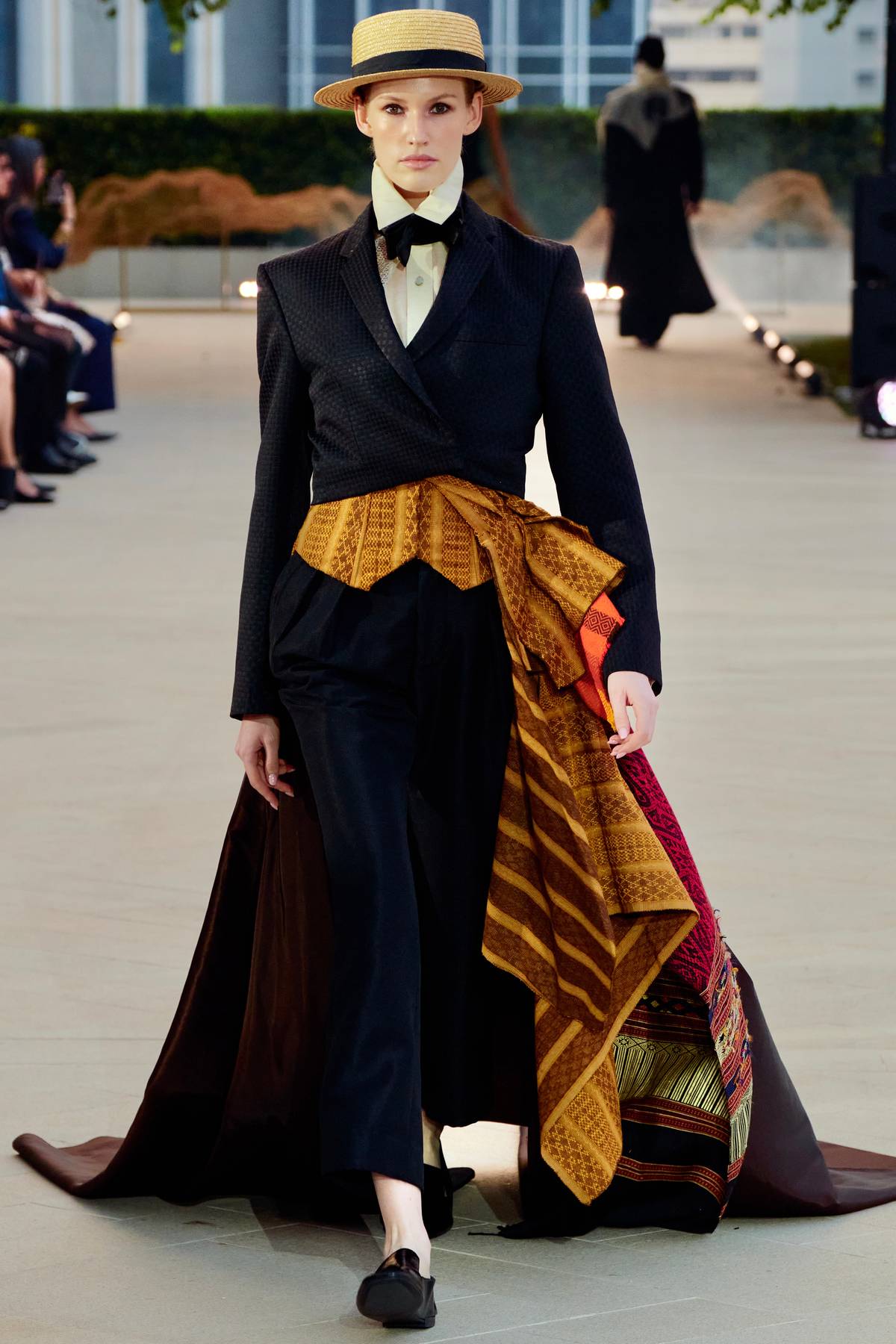
What truly set Lahi apart was its celebration of collaborative artistry, as Laurel shared the spotlight with a circle of Filipino master artisans — a symphonic effort and manifesto of Philippine excellence. The integration of Arnel Papa’s artistic jewelry, Maxine Santos Tuaño’s structural footwear, the genius creations of Cholo Ayuyao, the luxe bags of art by Celestina Ocampo and Monchét Olives’ abanicos (fans) made the collection grounded in experience.
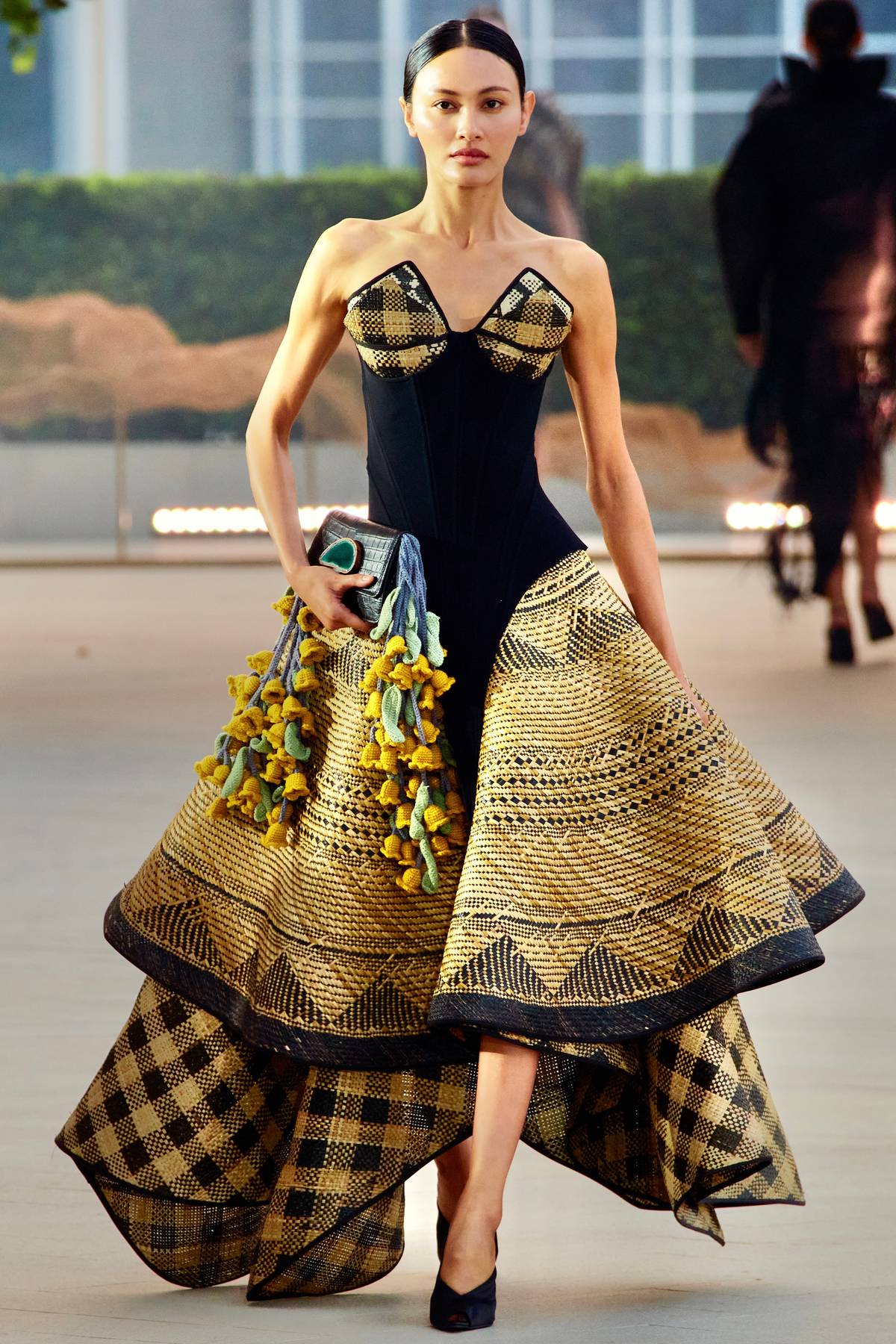
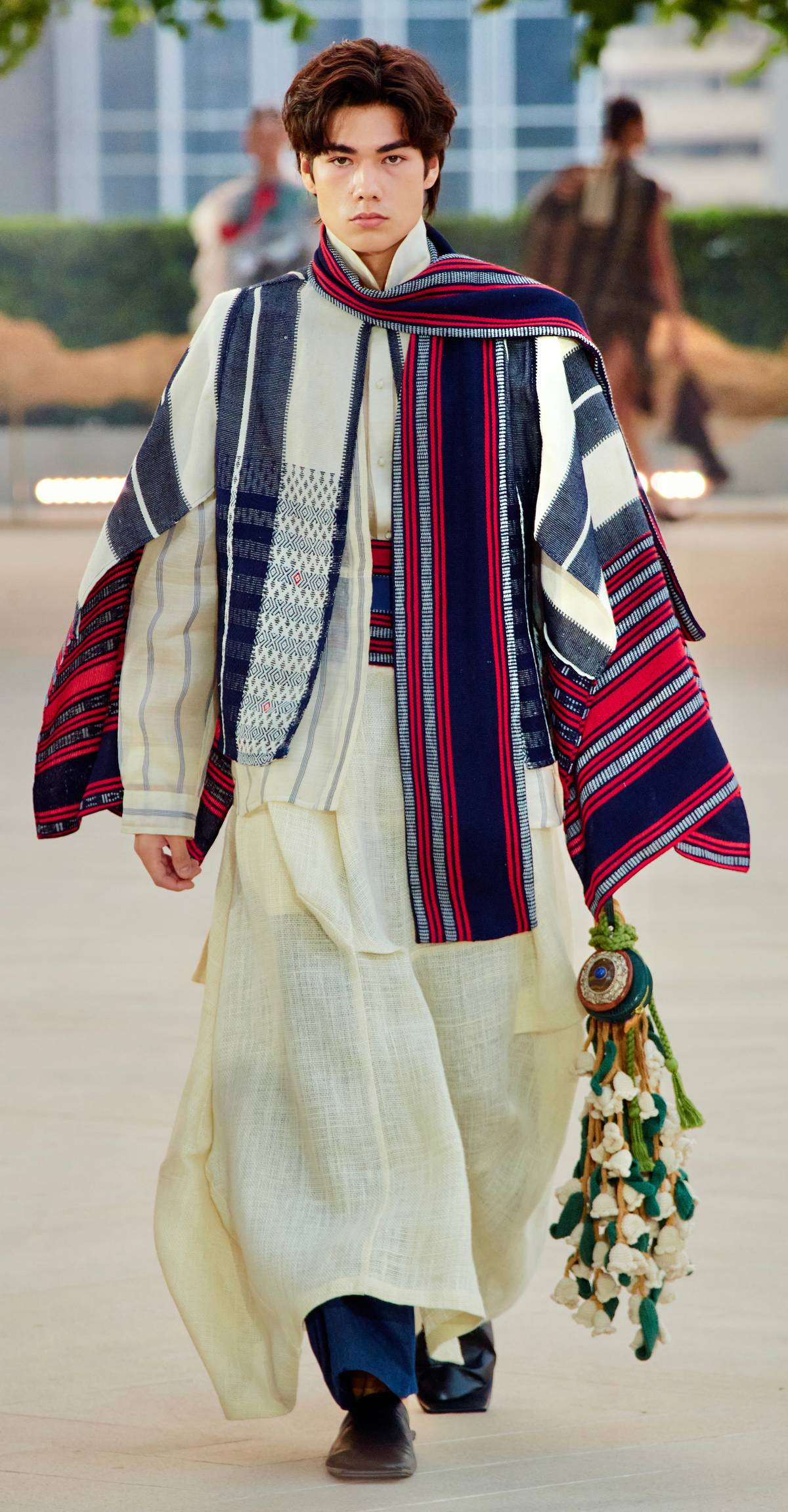
Most important is the participation of HABI (The Philippine Textile Council), which provided the indigenous textiles and regional weaves that formed the foundation of the collection.
By weaving together regional techniques, such as the hand-woven braids reminiscent of the late Narda Capuyan’s Baguio community work, Laurel showcased a collective creative economy — something deeply embedded in our culture, passed down from one generation to the next. Every stitch and beadwork detail whispered of the artisans from Baguio to Batanes, echoing the legacy and homage of those who came before.
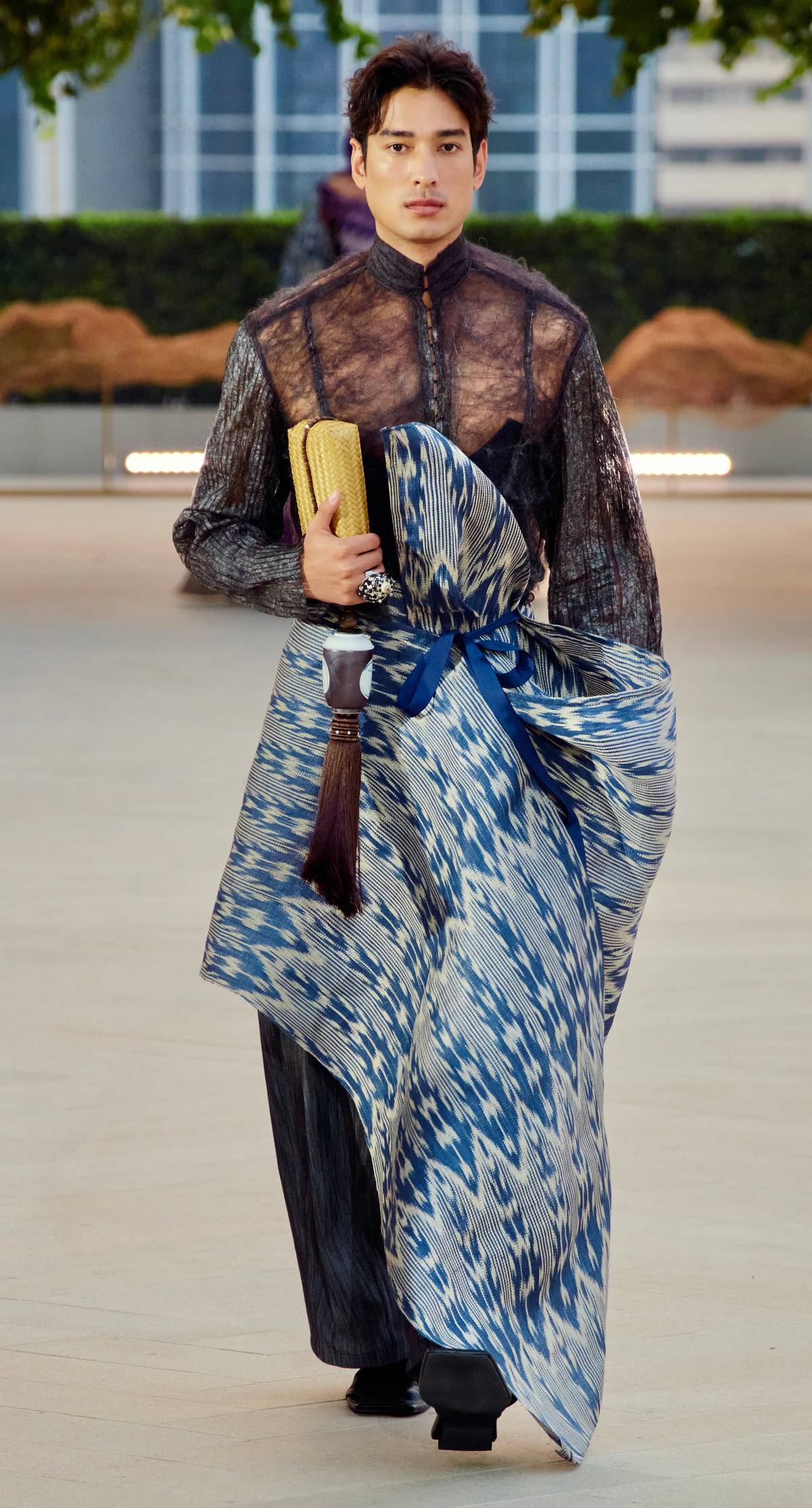
Lahi left the international set in a state of breathless reverence, serving as a definitive manifesto that Filipino craftsmanship — when distilled with such crystalline clarity and relentless passion — occupies a permanent, sovereign space in the global stage.
This was not merely fashion; it was a tapestry woven from the very sinews of culture, the weight of tradition and the collective spirit of a people who find power in their roots. It stood as an outstanding, yet profoundly modest statement of pride — a quiet confidence whispering where we have been and shouted of exactly where we belong.
ADHAKORN