
DILG: Phl loses P30B annually on illicit tobacco
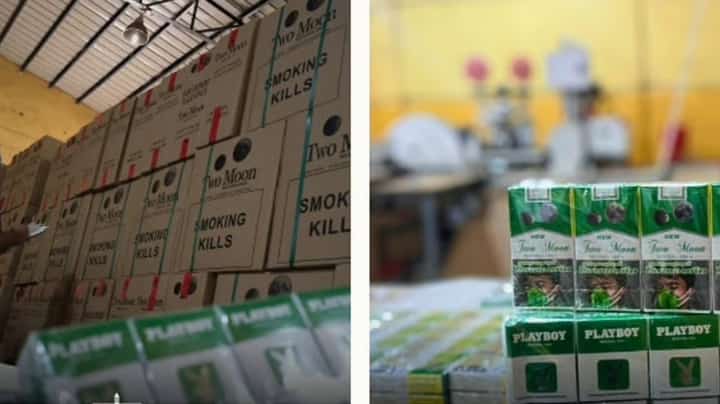
The Philippine government loses an estimated P30 billion annually to the illegal manufacturing and sale of tobacco products, Department of the Interior and Local Government Secretary Jonvic Remulla said.
Speaking at a joint press briefing following a raid on a tobacco factory in Barangay Panipuan, Remulla cited that the lost revenue directly impacts the nation’s healthcare system.
“This excise tax was intended for the healthcare of Filipinos, for the Department of Health,” Remulla said. “We are seeing a shortfall in excise taxes because of illegal tobacco manufacturing, whether it is imported or made locally.”
Since December, a joint task force comprising the Philippine National Police, the Bureau of Internal Revenue and the Bureau of Customs has conducted a string of operations in Batangas, Malabon and Pampanga.
The task force has confiscated products and machinery valued at approximately P10 billion over the last two months. Remulla said the Thursday raid is part of an ongoing enforcement campaign to dismantle the illegal trade entirely.
During the operation, authorities seized active machinery capable of producing P150 million worth of cigarettes daily. Confiscated brands included “Two Moon,” Mighty, H&P, Playboy and Carnival.
Customs commissioner Ariel Nepomuceno said these brands match those seized in a recent Batangas operation, suggesting a linked distribution and supply chain that is currently under investigation.