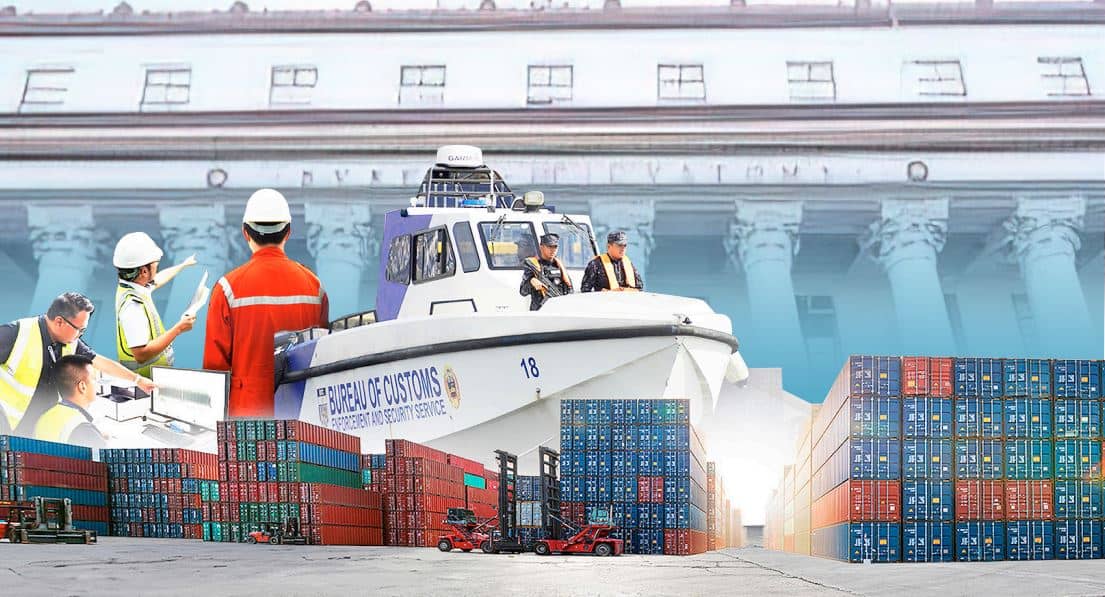
BOC: An essential catalyst for nation-building
The BOC’s stellar revenue performance is the lifeblood of public investment and fiscal stability. Exceeding its January 2026 target with a P80.744 billion collection and a P513 million surplus provides the government with indispensable resources.


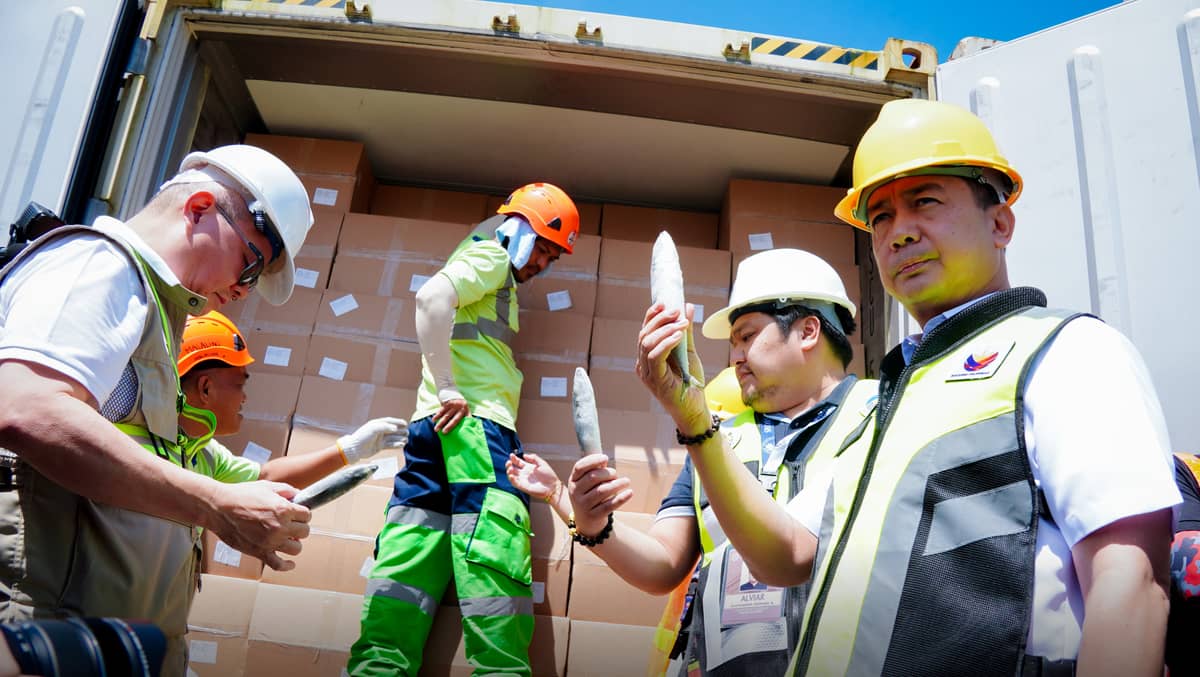
CUSTOMS Commissioner Ariel Nepomuceno (rightmost) and Agriculture Secretary Francis Tiu Laurel (leftmost) present the boxes that are part of the 720 metric tons of smuggled mackerel seized last year.
The Philippine Bureau of Customs (BoC), historically beleaguered by perceptions of corruption and inefficiency, is undergoing a transformative shift.
The automation of core customs processes have gained for the agency some 96.99 percent digitalization rate, sharply reducing face-to-face transaction. Key trade facilitation tools have also been launched, including Enhanced e-Travel Customs System, the Overstaying Cargo Tracking System, the ATA Carnet Monitoring System, and the National Customs Intelligence Systems – platforms collectively streamlining declarations, track cargo in real time, and integrate data sharing across agencies for speedier, more transparent border clearance,
The BOC’s recent achievements—record revenue collection, aggressive anti-smuggling operations, and sweeping digitalization—are not merely internal milestones. They represent a strategic enabler for the private sector and a critical lever for the government in realizing its core national objectives of economic growth, security, and good governance.
The operational reforms in the agency directly reduce costs, uncertainty, and delays for the private sector.
A 96.9 percent digitalization rate is arguably the most significant catalyst for business. By moving processes online, the BOC minimizes face-to-face interactions that can breed corruption, standardizes procedures, and accelerates the clearance of goods.
For importers and exporters, this translates to predictable turnaround times, lower logistical costs, and enhanced supply chain reliability.
This efficiency is paramount for businesses to remain competitive regionally and globally. Furthermore, the agency’s coordination with the American Chamber of Commerce and the US Embassy, as noted by Malacañang, signals a proactive effort to align with international best practices, improving the Philippines’ trade facilitation score and making the country a more attractive destination for foreign investment.
A transparent and efficient Customs authority reduces a major operational risk for businesses, encouraging both domestic and foreign capital to invest in manufacturing, logistics, and export-oriented industries.
The BOC’s stellar revenue performance is the lifeblood of public investment and fiscal stability. Exceeding its January 2026 target with a P80.744 billion collection and a P513 million surplus provides the government with indispensable resources.
These funds directly support the President’s economic agenda by financing critical infrastructure projects, social services, and human capital development programs.
Every peso efficiently collected by Customs is a peso available for building roads, bridges, schools, and hospitals—foundations for long-term economic development that also create markets and opportunities for the private sector.
The remarkable 1.9% year-on-year growth in collections, even amid anti-smuggling drives, suggests that reforms are plugging revenue leaks and fostering a culture of compliance, creating a fairer competitive landscape for legitimate businesses that properly pay duties and taxes.
It must be underscored that the BOC’s vigorous enforcement operations protect legitimate industries, consumers, and national security. The P886.8 million worth of contraband seized in January 2026 alone, including dangerous drugs, illicit cigarettes, and smuggled electronics, demonstrates a commitment to securing the economic border.
This action alone deserves all the plaudits it can get from the private sector. Smuggled and counterfeit goods undercut honest businesses that invest in quality, pay correct taxes, and follow regulations.
By levelling the playing field, the BOC safeguards local industries and jobs. For the nation, these seizures are crucial for public health (intercepting drugs and substandard goods), securing public revenue (from tobacco and alcohol excise taxes), and upholding the rule of law.
The auction of forfeited shipments, highlighted as a key reform, also ensures that seized assets are converted into public funds, turning the tools of crime into resources for the state.
In conclusion, the reformed Bureau of Customs is evolving from a perceived bottleneck into a strategic partner for national development. Its triumvirate of achievements—digital efficiency for business, robust revenue for the state, and rigorous enforcement for market integrity—creates a virtuous cycle.
A trusted and competent BOC reduces the cost of doing business, fuels the government’s capacity to invest in the nation’s future, and ensures a fair and safe economic environment.
As the agency continues its collaboration with bodies like the World Customs Organization, it solidifies its role as a cornerstone in the Philippines’ journey toward sustainable economic growth and resilient governance, proving that institutional reform is not an end in itself, but the foundation for broad-based national progress.
So much more needs to be done, and the BOC, under its current leadership and workforce deserve all the praise it should get for a job well done so far, as well as all the support it needs, to continue hitting -and surpassing - its end goals. Ultimately, what’s good for the BOC, is good for the country.