
Villar turns waste into resources: Recycling and Composting Programs Reduce Landfill Hazards


VILLAR Foundation’s Kitchen Waste Composting Project Named Among the World’s Top Environmental Innovations, Awarded by Energy Globe Austria in 2024.
The recent landfill tragedy in Cebu has renewed urgent calls exposing the dangers of continued reliance to overfilled and poorly managed dumpsites. As the country marks Zero Waste Month this January, the Villar Foundation’s waste recycling initiatives from plastic - to - chair manufacturing to kitchen and garden waste composting are being highlighted as concrete, community based solutions to prevent similar disasters.
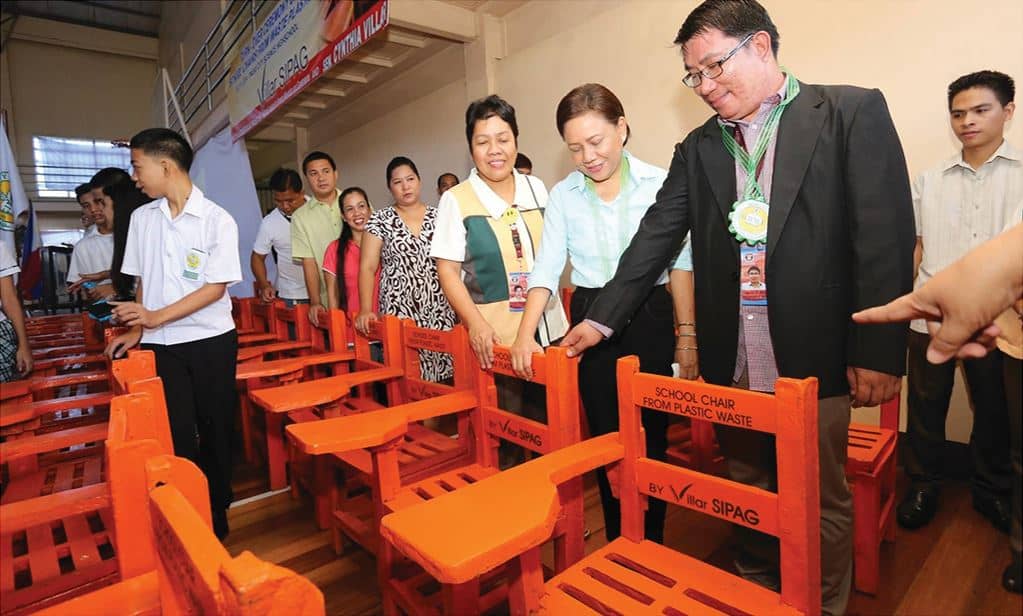
IN 2014, Pasay City Science High School was among the first recipients of free plastic chairs provided by the Villar Foundation.
The incident underscored a harsh reality: landfills fail when waste reduction, segregation, and recovery are neglected. Environmental advocates note that both plastic and organic waste significantly contribute to landfill volume, methane emissions, and structural instability when left unmanaged.
For more than two decades, the Villar Foundation has implemented waste management and recycling programs that have helped Las Piñas significantly reduce the volume of non-biodegradable and biodegradable waste ending up in landfills.
Foundation data indicate that 80 percent of community waste is diverted from landfills, significantly reducing the risks posed by overfilled and unstable disposal sites. Kitchen and garden waste, which make up 50 percent of total waste, is processed into organic fertilizer. Meanwhile, 15 percent of soft plastics- including sachets and other packaging materials-are converted into durable school chairs or sent to accredited recycling facilities, particularly PET bottles. An additional 15 percent of paper waste is recovered, sold, and recycled through paper recycling factories.
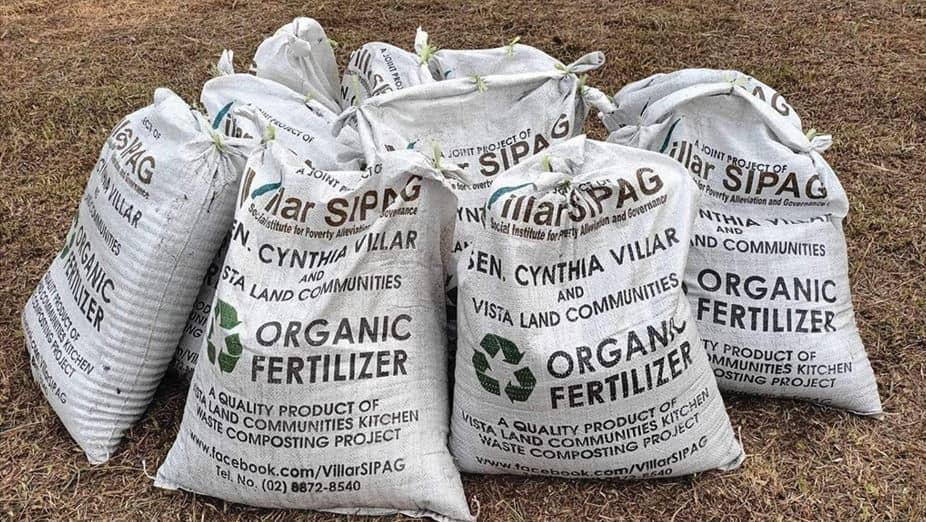
ORGANIC fertilizers produced by 118 Villar Foundation composting facilities nationwide.
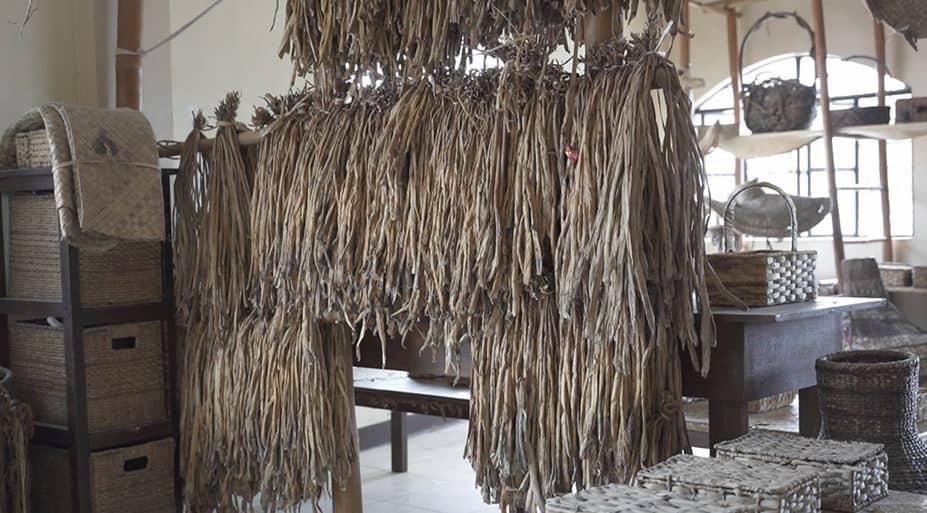
WATER lilies are transformed into handicrafts and support livelihood projects.
Collectively, these efforts significantly reduce the volume of waste sent to disposal sites, easing the burden.
“Landfills are filling up because we continue to treat waste as a problem instead of a resource,” said former Senator Cynthia Villar, Managing Director of the Villar Foundation. “What happened in Cebu is a reminder that we must act decisively. Zero Waste Month calls on all sectors to divert waste at the source- whether plastic, paper, kitchen, or garden waste, before it reaches landfills,” she added.
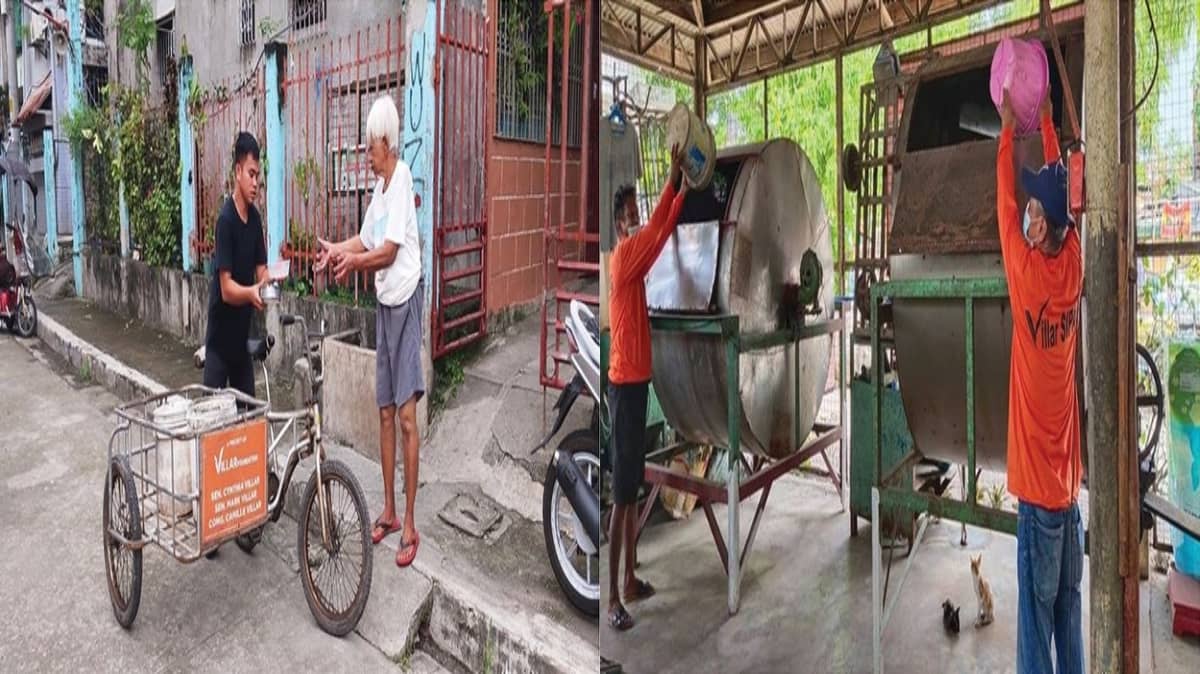
KITCHEN wastes are collected and processed in composting centers to produce organic fertilizer, which is distributed free to farmers and urban gardeners.
The Foundation’s kitchen and garden waste recycling program converts biodegradable waste into organic fertilizer, diverting food scraps and yard trimmings-more than half of household waste-from landfills and reducing methane emissions. The compost is distributed free of charge to support urban gardens, community farms, and agricultural projects.
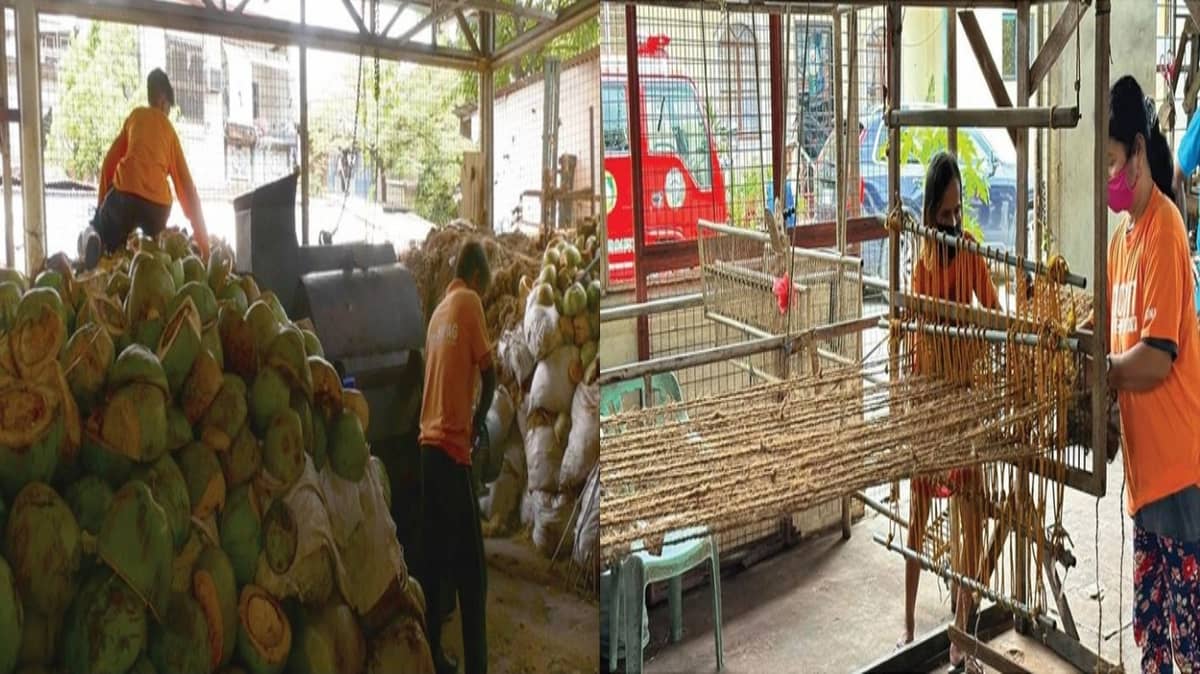
COCONUT husks are collected and processed into fiber using a decorticating machine, then woven into coco nets that are used for riprap and slope protection to prevent soil erosion. The remaining peat is mixed with household organic waste and processed into organic fertilizer.
Alongside this, discarded plastics are recycled into durable school chairs, each using about 20 kilograms of plastic waste. Together, these initiatives significantly reduce the volume of waste sent to disposal facilities and demonstrate how proper segregation and localized recycling can keep a large share of household waste out of landfills.
The success of the Villar Foundation’s recycling programs in Las Piñas led to the expansion of similar facilities nationwide, totaling 118 composting facilities and three plastic recycling factories; Las Piñas City (for Luzon), San Miguel, Iloilo (for the Visayas), and Cagayan de Oro (for the Mindanao region).
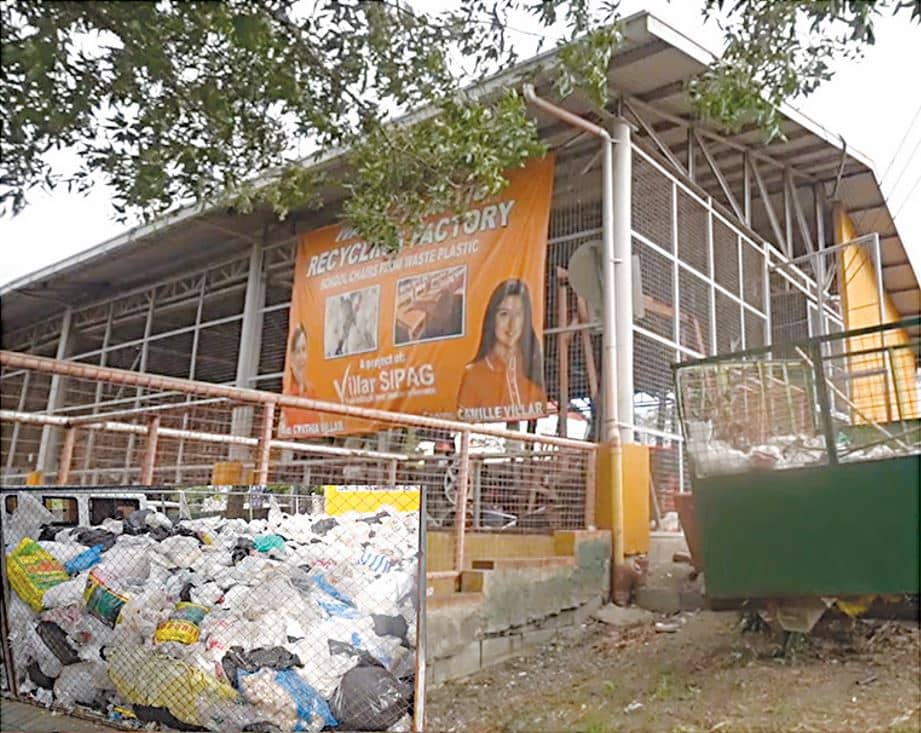
SOFT plastics are shredded, melted, and molded into school chairs at Villar Foundation facilities.
Beyond environmental protection, these initiatives create livelihoods through waste collection, segregation, composting, and facility operations—proving that zero-waste programs can generate jobs while protecting communities. Recycled school chairs have been distributed to public schools nationwide, while compost supports food security and local greening efforts.
As the Cebu landfill tragedy highlights the urgency of waste reform, the Villar Foundation’s integrated approach shows that landfill dependence is not inevitable. Zero Waste Month calls on local governments and households to strengthen waste segregation, recycling, and composting to prevent future disasters.
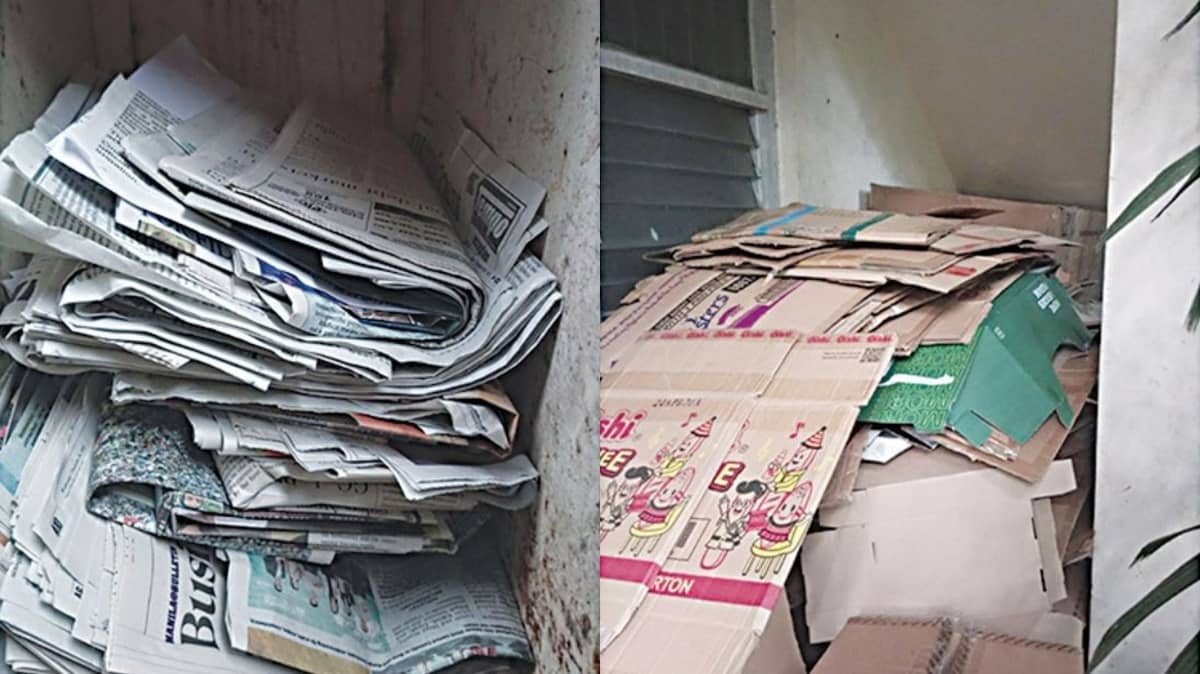
OLD newspapers and cartons are collected and sold to paper recycling factories.