
A home for every pet
‘NGOs can assist and support but the cornerstone of eradicating pet overpopulation is a continued and sustained kapon program. The call to action is clear: move from episodic charity to systemic governance that incorporates humane population control into government services.’


It has been a dream of mine for as long as I can remember — to live in a world without strays. But, how? When?
“Since I was in Grade 4 because it was at that time I was picking up so many kittens from the trash,” said Atty. Anna Cabrera, executive director, Philippine Animal Welfare Society (PAWS).
So, if you ask Anna it can be done and done soon.
PAWS calls on Local Government Units (LGUs) to move beyond relying on one-time kapon outreach activities and sporadic offers of free kapon for male cats and dogs and to address the problem of pet homelessness.
While free spay-neuter programs conducted by animal welfare group and non-governmental organizations (NGO) provide much-needed relief to communities, PAWS proposes a more sustainable, long-term solution: a Kapon for all Pets Program (KfAP).
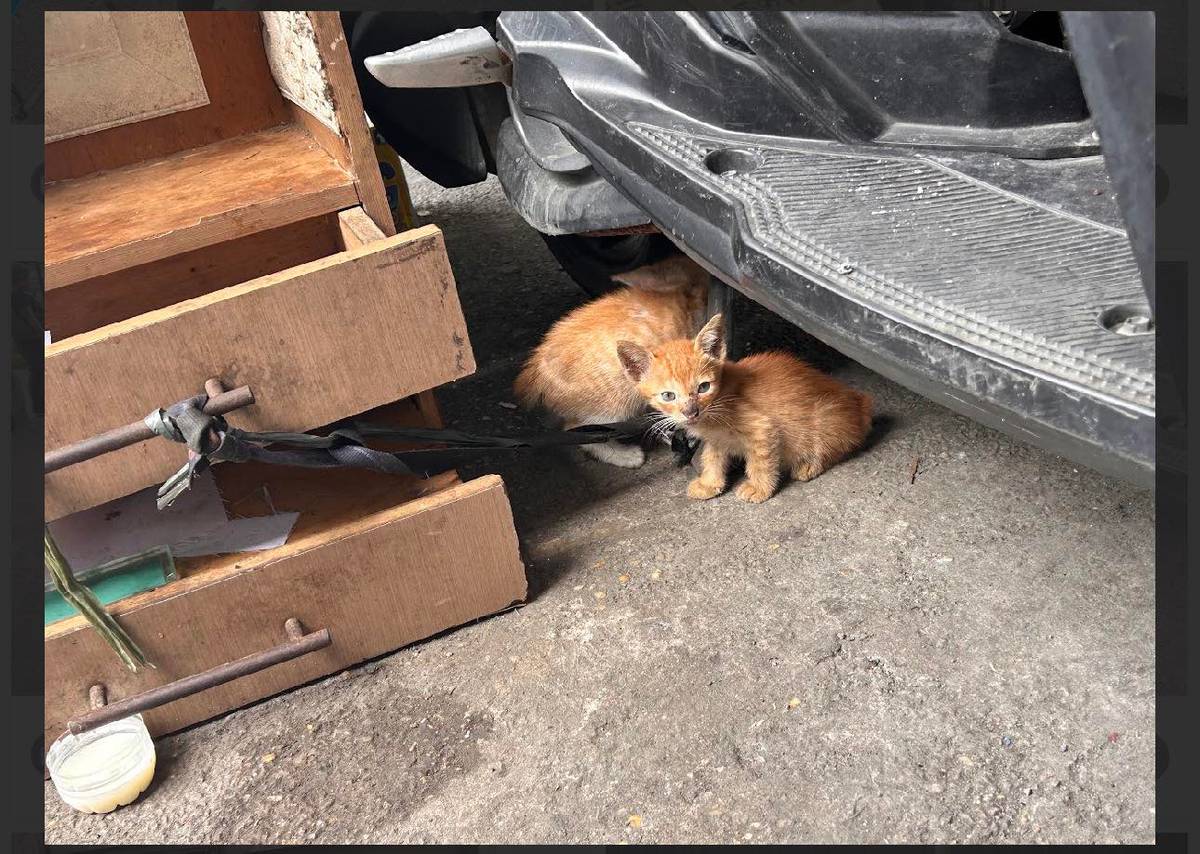
TOGETHER, we can end pet homelessness — one kapon at a time.
KfAP entails a partnership between private veterinary clinics to provide at least 10 free kapon (spay-neuter) for dogs and cats at their clinic on designated days to service the city or municipality’s indigent pet owners as endorsed by the city veterinarian. In return, the LGU will provide tax or permit incentives and other perks for the participating private veterinarians’ practice. “It is signing on animal health professionals to contribute to caring for animals even in the poorest communities, working hand in hand with the local government.”
Beneficiaries of the City’s free kapon will be documented through photos under the KfAP banner and the LGU logo.
“PAWS wants to jumpstart this program by offering a P50,000 worth of spay-neuter medical supplies as incentive for each of the first 10 LGUs who will sign on to the program and enforce the said ordinance,” says Atty. Anna Cabrera, PAWS executive director.
PAWS believes that the KfAP approach will expand access to spay-neuter services without the need to build new facilities or hire additional personnel, while also supporting local veterinary businesses.
Ending pet homelessness requires political will and a long-term, strategic approach. While the establishment of animal shelters by LGUs is an important step, these facilities become more sustainable and impactful when complemented by comprehensive spay-neuter programs and supportive ordinances that encourage responsible pet ownership and address animal welfare violations.
KfAP helps strays because it stops pet homelessness at the root and makes kapon a procedure that is available for all LGUs with the help of private veterinary practitioners who are more than willing to help their own local community animals, strays and low-income pet owners.
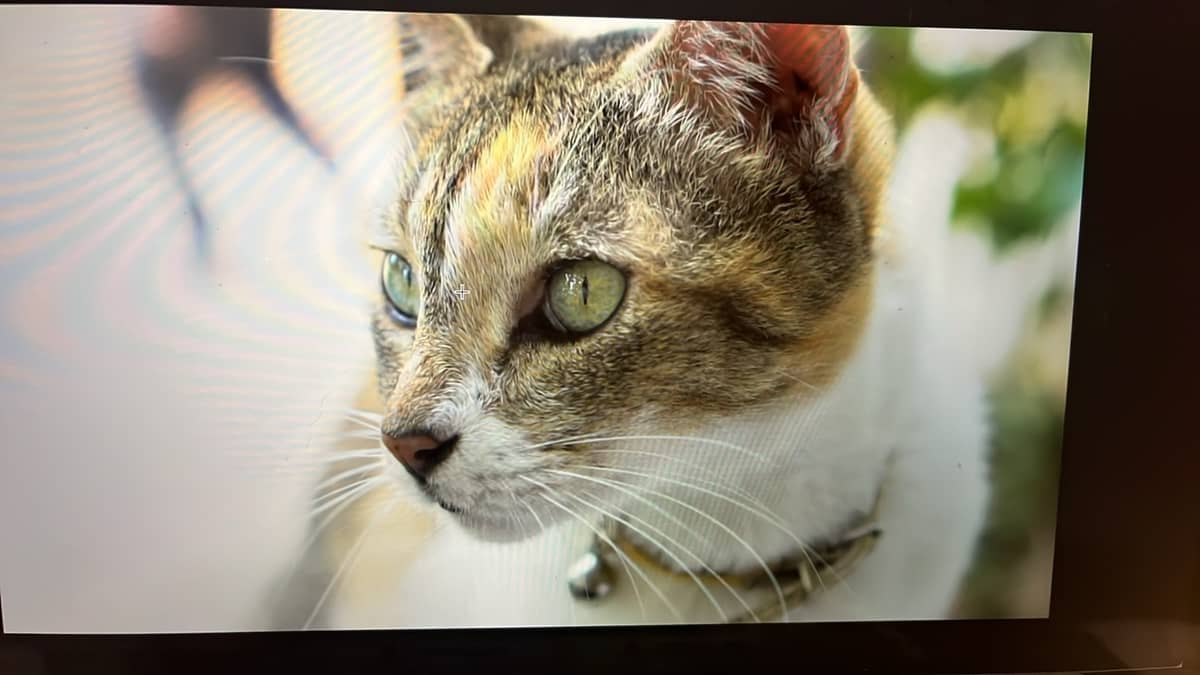
TOGETHER, we can end pet homelessness — one kapon at a time.
Private vet clinics join in
Veterinary clinics such as Vets in Practice and Modern Pet have already partnered with PAWS and are currently providing free spay and neuter services every month to indigent pet owners. Their participation demonstrates that with the right framework and support, veterinary clinics are willing to take part in large-scale, community-based solutions.
“These partnerships prove that LGUs do not have to do this alone,” added Cabrera. “There are veterinary clinics willing to help — what’s needed is a system that brings everyone together.”
We are all winners
Under the Kapon for All Pets model, LGUs can adopt ordinances that provide fiscal or non-fiscal incentives to participating veterinary clinics in exchange for a commitment to provide a set number of free kapon surgeries every month to pets of indigent residents.
By institutionalizing kapon to be a partnership project between private clinics and the local government, each city or municipality takes ownership of the issue. This approach will reduce the number of stray animals over time and will decrease the long-term cost of impounding and sheltering. Further, it helps reduce incidence of pet abandonment and keeps pets with their families by reducing the financial burden of care.
“NGOs can assist and support but the cornerstone of eradicating pet overpopulation is a continued and sustained kapon program. The call to action is clear: move from episodic charity to systemic governance that incorporates humane population control into government services. Private veterinary clinics, by virtue of an ordinance, can receive incentives and be valuable partners ensuring that additional free spay-neuter services are delivered on behalf of the local government and they can render these services from their own place of business.
The Kapon for All Pets Program was launched by PAWS in order to have a more sustainable approach to spay-neuter needs of each local government unit. What usually happens is that each LGU either launches its own modest spay-neuter program where only a handful of dogs or cats are de-sexed or it is just usually the male dogs or cats that are neutered.
Animal welfare non-government organizations are also tapped to do kapon outreach in the LGU but these are one-off events that result in 200 to 400 animals neutered annually and also putting much stress on the NGOs resources.
Cabrera believes that what is needed is to change the system so that every LGU will become capable of giving free kapon to its low-income pet owner constituents and end the cycle of pet homelessness once and for all.
Support gaining ground
Two local government units have KfAP ordinances in the pipeline. These are Quezon City, authored by Councilor Vito Sotto Generoso, and the Municipality of Obando, Bulacan with a draft ordinance already certified as urgent by Mayor Leonardo Valeda.
“We commend Quezon City and Obando, who see the value of KfAP in terms of achieving more for animal welfare despite limited government financial resources,” added Cabrera. “This is the way LGUs can shift from reactive to preventive solutions. When you prevent the births of unwanted animals, you reduce future problems, costs and suffering.”
PAWS urges more cities and municipalities to adopt Kapon for All Pets. The organization offers to provide interested LGUs with sample ordinances to make adoption easier and faster. LGUs may contact PAWS at kapon@paws.org.ph.