




Top Philippine design consultants curate Likhang Filipino galleries

Text size
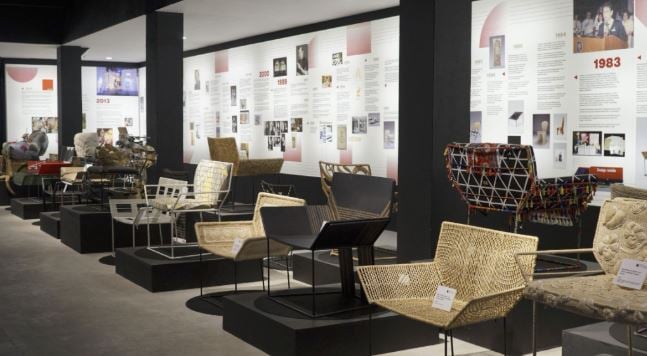
ARTURO Luz’s ‘New Buri’ iterations.
Photograph courtesy of CITEM
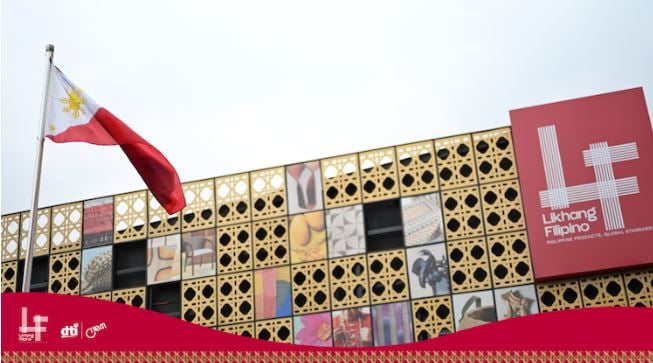
THE exterior of Likhang Filipino Gallery.
Photograph courtesy of CITEM
Buddies, associates? One happy family?
A traditional dish called zongzi is served during China’s Dragon Boat Festival, which falls in June. It is a rice…
Divina credited the firm’s achievements to its members, thanking them for their ‘hard work, dedication, teamwork, and…
‘Sec. Vince Dizon, please explain how this finding of your own team should not be flagged as a ghost project in Taguig.’
In preparation for the opening of the Likhang Filipino Exhibition Halls last 15 January, the Center for International Trade Expositions and Missions (CITEM), the government’s export promotion agency, enlisted the help of some of the country’s design experts to oversee the presentation of world-class Filipino products in the complex’s six galleries.
These designers are Tony Gonzales, Ito Kish and Al Coronan. CITEM relied as well on the Design Center of the Philippines’ extensive knowledge of Filipino design to curate an exhibit that showcases the dynamic, innovative and prolific nature of Filipino creativity.
Apart from their esteemed status in the Philippine design scene, these experts also hold a long history of collaborating with CITEM through the decades, curating the exhibits organized by the agency for overseas trade fairs and doing product development with local enterprises looking to expand into the export industry. This gives them a well-founded perspective on how to best showcase Filipino artistry and craftsmanship to a global audience.
Tony Gonzales
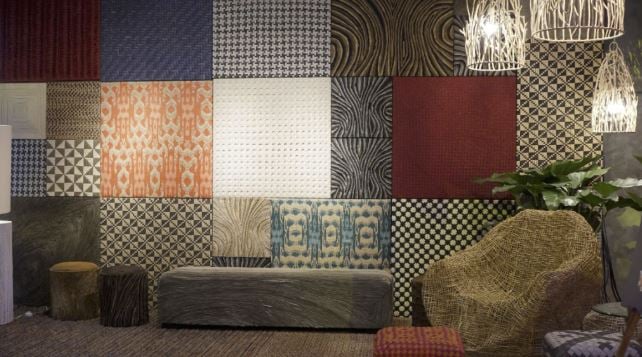
Multi-awarded designer Gonzales brought his expert vision to Gallery 1, which houses special exhibits and Likhang Filipino’s Design Library. Using tapestries made from traditional handwoven fabrics like Tinalak, handmade paper panels designed and created by artist Wataru Sakuma and chandeliers crafted from natural materials, he maximized the gallery’s high ceiling by creating a thoughtful interplay of colors, textures and light.
To create an intimate space beneath the gallery’s second floor, Gonzales chose pendant lamps to illuminate an accent wall that features a quilt-like design made from textured panels sporting woven patterns in contrasting colors. Together with the designer’s curated seating choices, the wall fosters a cozy ambience. Guests will feel comfortable starting discussions in the area, inspired by the soft light and the visual rhythm spurred by the eclectic combination of motifs on the wall.
Ito Kish
With his editorial approach to interior design, Ito Kish has created a lifestyle-driven narrative inside Likhang Filipino’s Galleries 4 and 5, which are dedicated to furniture and lighting, home decor, gifts and holiday decor, respectively.
The designer drew inspiration from resort living and a contemporary Asian aesthetic to organize Gallery 4 into a space that emphasizes the meticulous craftsmanship poured into each product while also presenting their commercial resonance. He similarly balanced design and commerce in showcasing the collection of merchandise inside Gallery 5, which includes award-winning products from local brands such as OBRA and Nature’s Legacy. Through Kish’s discerning eye and thoughtful approach to visual balance, both galleries are transformed into immersive celebrations of Filipino materials, forms and artisanal mastery.
Al Caronan
A member of the influential design collective Movement 8 that was started by Budji Layug and CITEM’s former executive director Ely Pinto-Mansor in 1999, Caronan brought his expertise as a designer, materials specialist and exporter to transform Gallery 6 (Food, Health and Wellness) into a sensorial hub for discovering premium Filipino products for the food, health and wellness sector.
Under the warmth of pendant lamps, jarred and packaged food items look inviting, complemented by displays of fresh local produce. The thoughtfully-arranged space evokes both abundance and intimacy, enticing viewers to linger and take part in Caronan’s reinterpretation of the traditional Filipino tablescape.
Design Center of the Philippines
As the government agency mandated to promote the use of Filipino design to make Philippine products and services more competitive, the Design Center of the Philippines (DCP) has taken the responsibility of overseeing the layout of Gallery 3, which houses fashion, textiles and accessories.
The agency’s vision for the space is two-fold: to pay homage to the fashion brands that responded to Likhang Filipino’s purpose of serving as the lighthouse project for the Asean Summit and promoting Filipino design; and to have the gallery reflect the country’s cultural heritage by using a unifying symbolic element, specifically the saranggola or kite. DCP worked with the Batangas-based groups Saranggolistang Pilipino Dimaculangan Team and Papagayong Batangueño to produce 71 assorted kite frames. It then used handmade paper, developed through its 2019 Pinyapel Initiative in partnership with TADECO Home, to create the kites that are now on display in Gallery 3, serving as the canvas for a curated selection of excellent fashion products.
Standing on where the PhilTrade Center used to be, the launch of the Likhang Filipino Exhibition Halls is spearheaded by the Office of the President through CITEM. By reopening the historic complex, the government has established a multi-functional space that not only exhibits the best of what the Philippines has to offer across the sectors of home and lifestyle, fashion and accessories, traditional arts and crafts, food and beverages and wellness, but also serves as a sourcing and retail destination for local and international buyers, tourists and delegations to global events hosted by the Philippines.
