
Why scams run rings around SIM registration
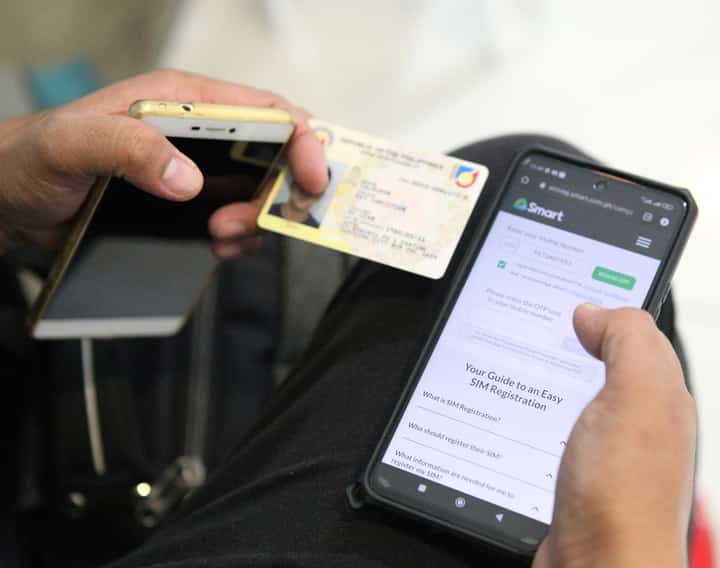
(FILE) SINCE the passage of the SIM Card Registration Law, scammers have gotten bolder, seemingly having tapped into our data base. Now, they are addressing scam victims by name. What gives?
Photograph by Joey Sanchez Mendoza for DAILY TRIBUNE
Around the world, governments have pushed SIM registration as an anti-crime cure: no anonymity, no disposable numbers, fewer scams. It sounds logical; it also sounds complete.
Reality has been less dramatic. Even in markets with strict SIM registration rules, fraud persists — often simply shifting platforms. Criminals adapt faster than policy. They rely on identity theft, mule registrants, fraudulently registered SIMs, “borrowed” IDs, overseas call centers and encrypted messaging apps where SIM laws have limited reach.
The GSMA, the global mobile industry association, has been blunt about the limits of this approach. In its consumer policy guidance, it states there is “no empirical evidence that mandatory SIM registration directly leads to a reduction in crime.”
Republic Act 11934, or the SIM Registration Act, was promoted as a crackdown tool. But in September 2023, the National Bureau of Investigation revealed in a Senate hearing that SIM registration systems could be fooled even by absurdly fake credentials.