
Belief, belonging and buling-buling: Feast of the Santo Niño de Pandacan 2026


Residents and visitors filled the streets of Pandacan in Manila to take part in the festivities and events in celebration of the feast day of the district’s patron, Santo Niño de Pandacan, on 18 January, the third Sunday of the month.
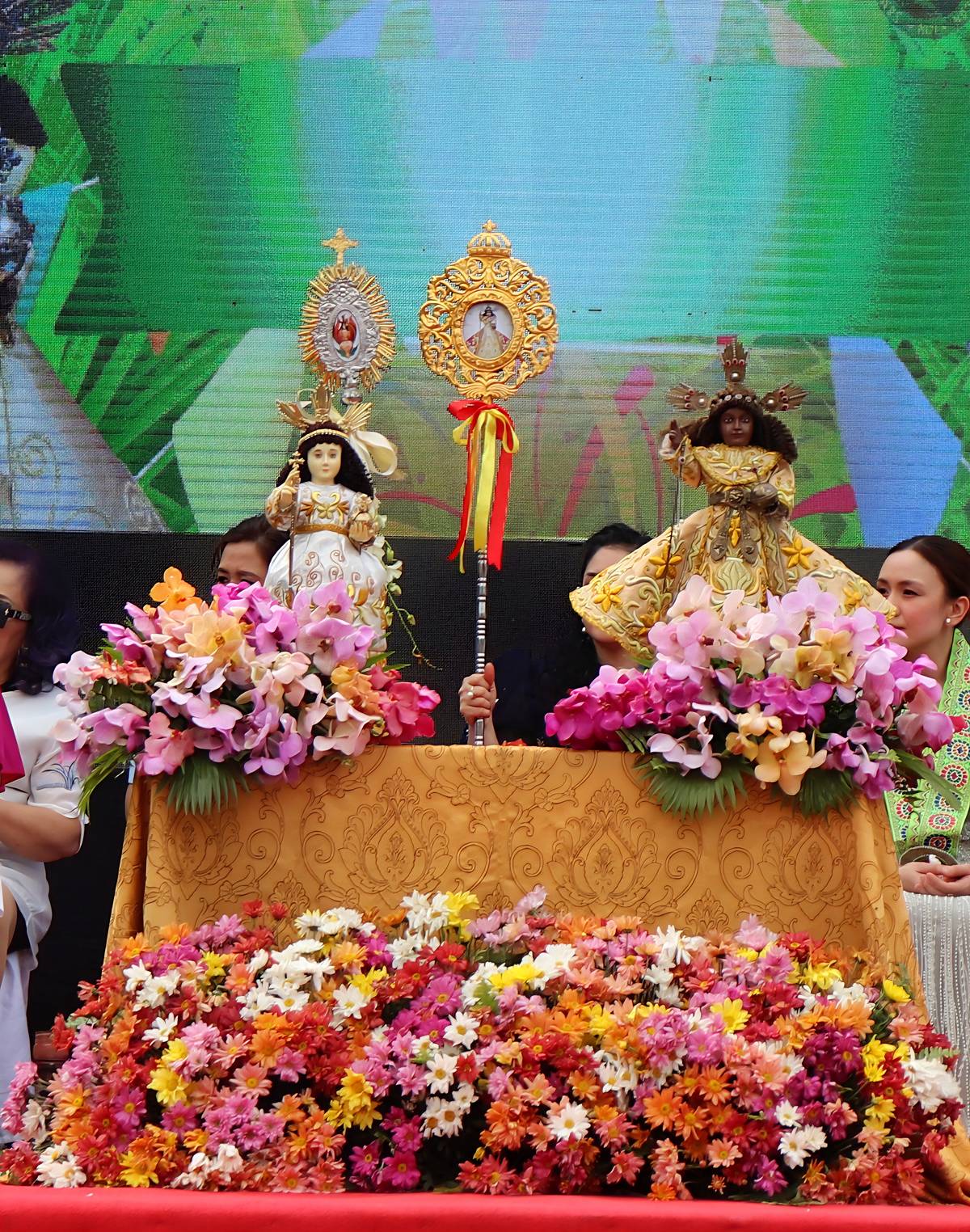
THE Santo Niño de Pandacan together with the Santo Niño image of the Iglesia Filipina Independiente at the Liwasang Balagtas.
Photograph by Roel Hoang Manipon for DAILY TRIBUNE
In the morning, the image of the Santo Niño de Pandacan was brough out of the church to lead the maringal na prusisyon or grand procession. He was greeted with shouts of “Viva, Santo Niño! Viva!” by parishioners. The procession was followed by the Misa Maringal or Grand Mass, which was held throughout the day as households served and enjoyed feasts with their families, neighbors and visitors.
On the same day, the district of Tondo also celebrated the feast with its own image of the Holy Infant, the Santo Niño de Tondo. Across the Philippines, many communities, towns and cities marked the occasion, underscoring the widespread devotion to the Santo Niño, one of the most beloved religious images in the predominantly Catholic nation.
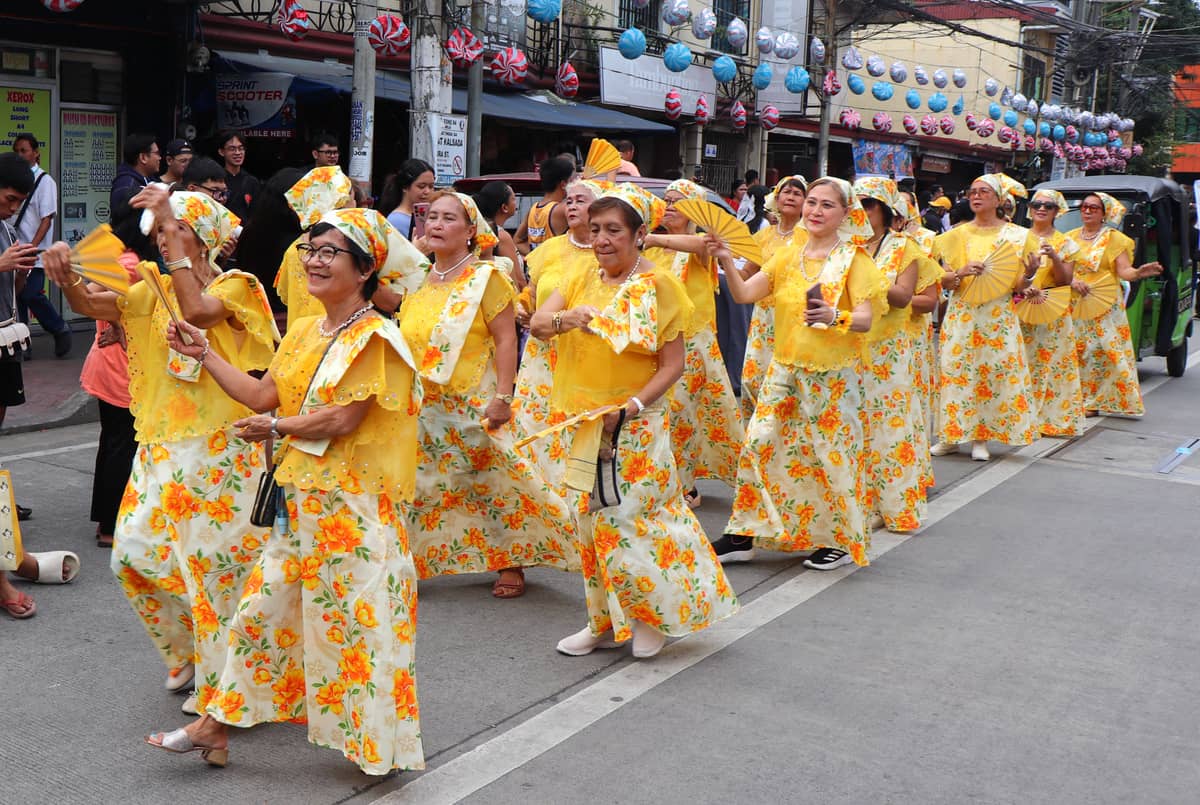
SENIOR ladies at the bisperas procession and buling-buling presentation.
Photograph by Roel Hoang Manipon for DAILY TRIBUNE
The Santo Niño holds a singular place in Philippine history as the first Roman Catholic image brought to the archipelago. Its arrival is closely linked to the beginnings of Christianization in 1521, with the expedition of Ferdinand Magellan and Juan Sebastián Elcano. Chronicler Antonio Pigafetta recorded that about eight hundred natives in Cebu, including Rajah Humabon and his wife, were baptized. Magellan presented Humabon’s wife, later renamed Juana, with an image of the Santo Niño, now revered as the Santo Niño de Cebu and regarded as the oldest surviving Santo Niño image in the country, around which the nation’s largest feast is celebrated.
The provenance of the original Santo Niño de Pandacan, distinguished by its dark complexion, remains shrouded in lore. Many believe the image to be about four centuries old. According to the story, which bears striking resemblance with origin stories of other religious icons, in the early seventeenth century, a group of children discovered the image among pandan plants, from which the area took its name — Pandanan, meaning a place where pandan grows, eventually becoming Pandacan. The image was initially enshrined at the Church of Our Lady of Loreto in Sampaloc, but it was said to repeatedly disappear and reappear at the site where it had been found. Community elders, assisted by Franciscan priests, resolved to build a visita on that spot. The chapel, constructed in 1712, later became the Pandacan Church.
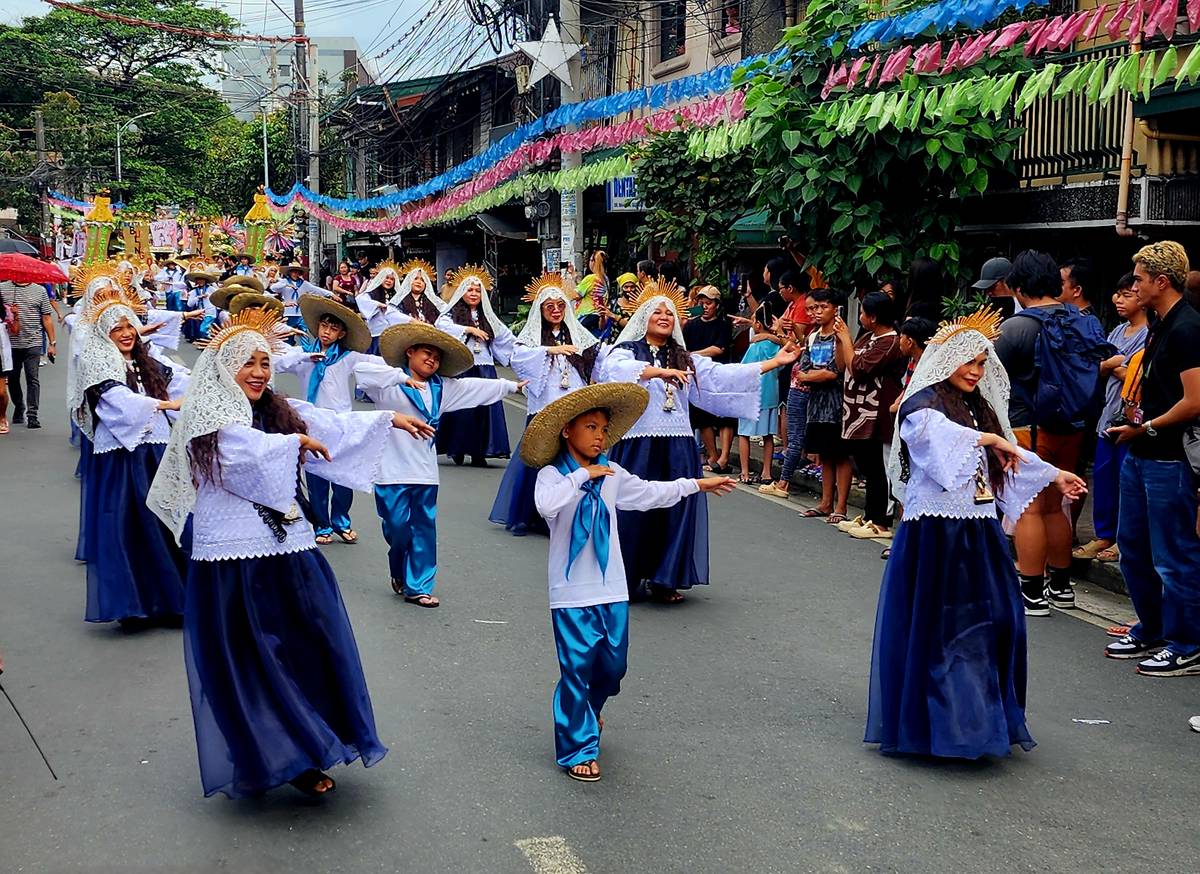
TEACHERS and students of Beata Elementary School.
Photograph by Roel Hoang Manipon for DAILY TRIBUNE
Tragedy struck on 10 July 2020, when a massive fire destroyed the church and the adjacent convent, reducing the original Santo Niño de Pandacan to ashes. In the aftermath, three replicas were donated, and despite the loss, devotion to the Holy Infant has remained steadfast.
In the days leading up to the 2026 feast, the Santo Niño de Pandacan Parish, under the leadership of parish priest Andy Ortega Lim, together with the Pandacan community, organized a series of traditional rites as well as non-traditional events. The traditional pagsisiyam (nine-day practice) or novena rites were held for nine days, starting on 10 January. The novena rites consisted of prayers, the Misa Novenario (novena mass) and nightly processions of barangays within the district. Each nighttime Misa Novenario, the church had “panauhing skeyular,” or secular guests, consisting of various religious and lay groups, organizations and sectors of society. On the sixth Misa Novenario on 14 January, the panauhing sekyular included the LGBTIQ+ community. After the mass, the priest acknowledged their presence and informed parishioners that the church, which was still being rebuilt, is equipped with an all-gender restroom, a gesture rarely seen in Catholic church settings.
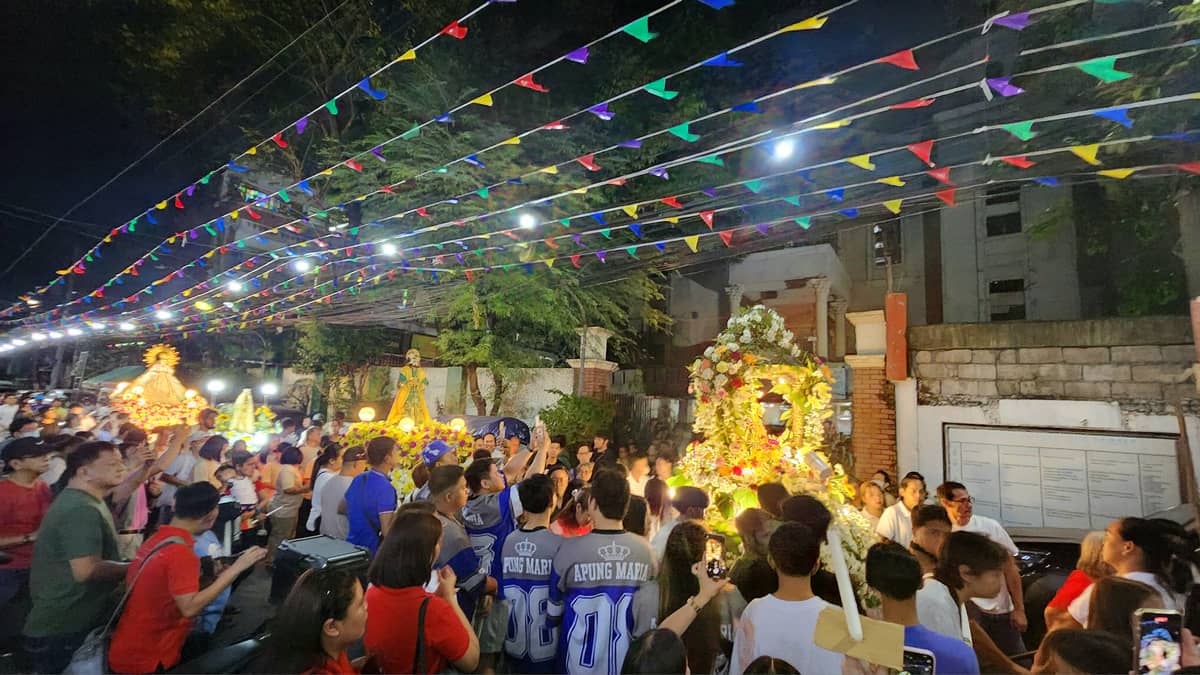
A PROCESSION after the Misa Novenario.
Photograph by Roel Hoang Manipon for DAILY TRIBUNE
14 January was commemorated as Pistang Dakila, literally, “great feast.” Historically, the date was celebrated by the Franciscans as the Feast of the Most Holy Name of Jesus and served as the feast day of the Santo Niño de Pandacan before Pope Innocent XIII designated the third Sunday of January as the official feast of the Santo Niño.
On 16 January, the Ante-Visperas was marked by a serenata in honor of the Santo Niño, featuring the Banda Zamora at the church. The following day, 17 January, the bisperas, or eve of the feast, a big procession, from Liwasang Balagtas to the Pandacan Church, featured the devotional dance called buling-buling performed by participants from different groups and schools within as well as from outside the parish. It also saw the participation of delegations from the once-rival church, the Iglesia Filipina Independiente, which started in 2007. They also brought their own ivory image of the Infant Jesus.
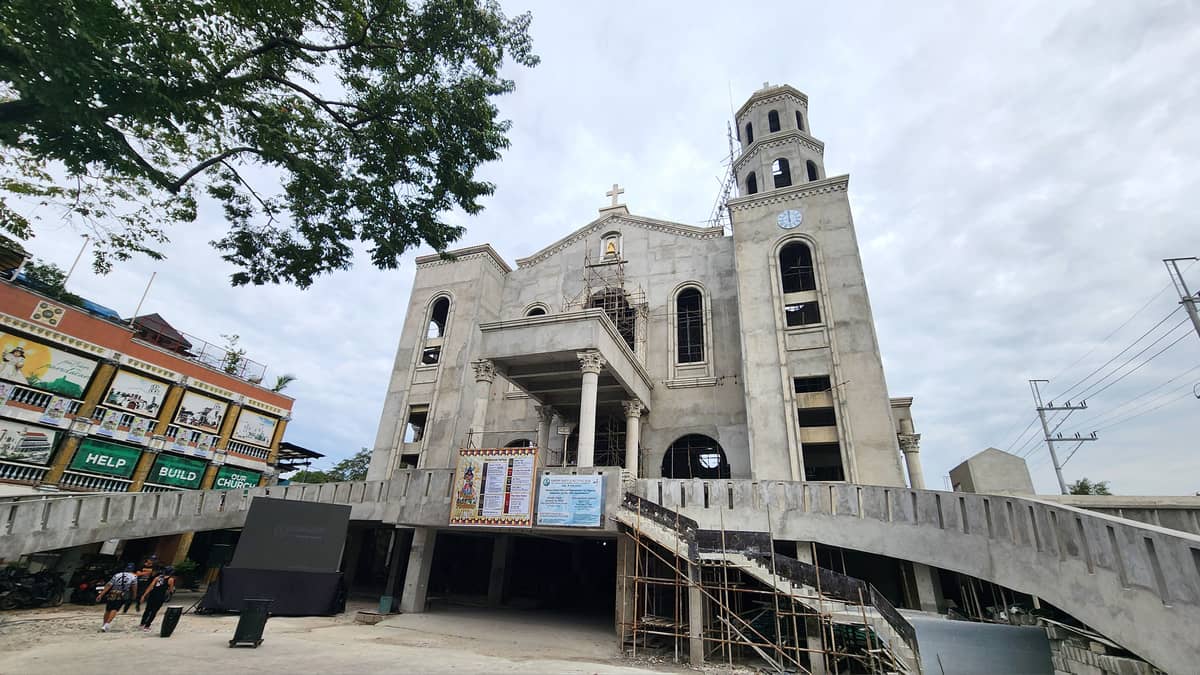
THE Pandacan Church being rebuilt after fire in 2020.
The buling-buling tradition is said to have originated in the nineteenth century, when groups of women dressed up, danced, and sang on their way to church during the fiesta vigil, called Buling-buling, as a form of homage to the Santo Niño. The name also refers to the dance itself, which has basic steps. The term is believed to have come from the Tagalog buling-buli, meaning “polished” or “well-prepared,” describing the performers. The practice reportedly lapsed during the Second World War and was revived in the late 1970s by the Samahang Sining at Kalinangan ng Pandacan.
Today, the buling-buling dance, accompanied by marching bands, has become a defining feature of Pandacan’s feast day celebrations. Devotional dances are also practiced in other centuries-old Santo Niño festivities, such as the sinulog (“performed like the motions of the water current”) of the Fiesta Señor of Cebu and the blackface Ati-atihan (“act or dance like the Ati people”) during the Feast of Santo Niño de Kalibo in Kalibo, Aklan.
As Pandacan changes and moves into the future, its devotion to the Santo Niño anchors the community in a shared and enduring heritage.