
A designer’s lens on female emotion: Josie Natori and ‘La Voix Humaine’
Josie Natori and ‘La Voix Humaine’

THE final bow — performer and symbolic presence meet under the lights, closing an intimate evening of opera, theater and emotional reckoning.
Photograph courtesy of CCP
Clothing began as a necessity —protection from the elements, a means of survival. Over time, however, it evolved into one of humanity’s most eloquent aesthetic languages, enabling people, particularly women, to express identity, emotion and artistry through what they wear.
For renowned fashion designer Josie Natori, placing women at the center of her work allows her to illuminate the many layers of female experience through clothing.
“I’ve always said my biggest asset is being a woman, second is being Asian. That’s inherent in the work we do, where a woman is able to express herself through the kind of clothes that we make. I think women have many moods — you can go very simplistic, you can go from just black to a lot of colors — it depends on what she feels. And that’s part of it, because fashion is a way of self-expression,” Natori said.
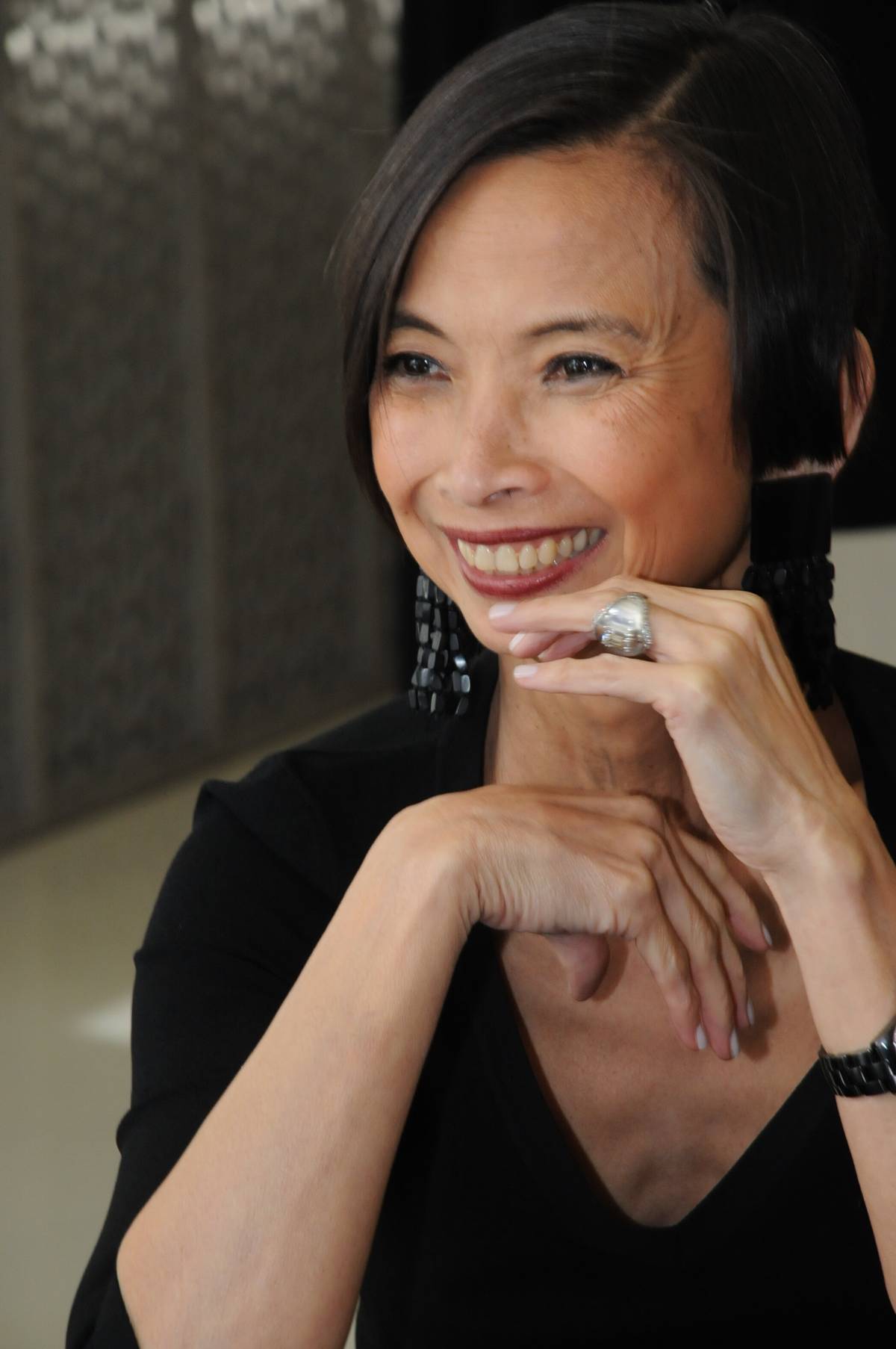
JOSIE Natori — designer, cultural advocate and storyteller — whose woman-centered vision bridges fashion, art and lived emotion.
Photograph courtesy of CCP
Natori is among the earliest and most successful Filipino-American designers and one of the few immigrant women who transformed corporate achievement into a global fashion empire. After a distinguished career in Wall Street at Merrill Lynch, where she became the first female vice president in investment banking, she founded The Natori Company in 1977.
“I’ve always said that everything we create in Natori is about enhancing a woman’s life and making her feel good — it’s for her,” she said.
Beyond fashion, Natori has long been engaged in arts and cultural work. One of her most recent projects was the special staging of Intramuros Evenings: La Voix Humaine (The Human Voice), where she served as costume designer

A MOMENT of raw vulnerability onstage, as La Voix Humaine unfolds through the woman’s fractured phone call — desire, despair and dignity held in a single breath.
Photograph courtesy of CCP
Recently presented by the Cultural Center of the Philippines (CCP), in partnership with the Intramuros Administration as part of a series of cultural presentations within the historic Walled City, La Voix Humaine is a one-act monodrama by Francis Poulenc, based on a play by Jean Cocteau. The opera unfolds entirely through a woman’s telephone conversation with her former lover, who is leaving her for another woman.
“To be frank, this is a very sad story. It centers on the feelings of a woman in one of her most vulnerable states,” Natori shared. “To me, being able to dress a woman in this stage of her life, where she’s obviously suffering, is a very rewarding part of my work. It’s important to provide some sort of vessel between the wearer and what they wear in order to give them power — even if they are in anguish.”
The original 1958 work was given renewed life through the collaboration of Gawad CCP Para sa Sining honorees Nonon Padilla (director), Gino Gonzales (production design) and CCP trustee Monino Duque (lighting design).

THE soprano performer wearing Natori’s creation.
Photograph courtesy of CCP
“I feel honored that they want Natori, that we’re able to be a part of that,” the designer said, expressing her excitement at seeing multiple Filipino artists come together in one production. “I love the interrelationship of art, culture, and fashion, so it’s a joy to have all of this in La Voix Humaine. I’m always proud of the creativity of Filipinos because art is very special and close to my heart.”
For Natori, fashion goes far beyond style. Beneath the layers of fabric lie story, identity, cultural pride and empowerment. Notably, a significant portion of her brand’s manufacturing remains in the Philippines, underscoring her enduring commitment to Filipino craftsmanship.
“I believe that the biggest assets of Filipinos are their creativity. There’s so much potential here that should be discovered, unleashed and nurtured,” Natori reflected. “Filipinos are just oozing with artistry. You can put all the other neighboring countries together and they will not amount to the iota of creativity this country brings.”
Over the course of her career, Natori has received numerous honors, including the Order of Lakandula in 2007, one of the Philippines’ highest civilian distinctions. She has also served on the board of the Asian Cultural Council since 1995, and in 2023 was elected chair of its board of trustees. Through the ACC and other initiatives, she continues to champion arts, heritage and cultural dialogue between Asia and the West.
“My mission is always to bring art to life,” Natori said. “When you’re able to put them together — that’s the kind of life you should live. That’s art.”