
Phivolcs records 256 rockfalls, 41 ‘uson’ events at Mayon
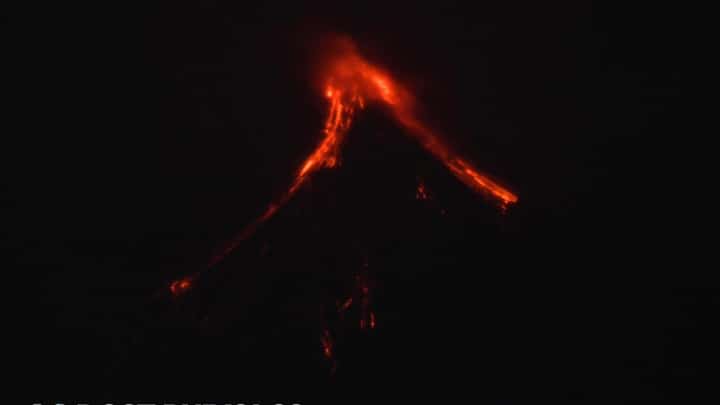
A total of 256 rockfall events were recorded at Mayon Volcano within a 24-hour period, according to the Philippine Institute of Volcanology and Seismology (Phivolcs).
State volcanologists also recorded 41 pyroclastic density currents (PDCs), locally known as “uson,” at the Albay volcano.
Phivolcs reported that sulfur dioxide emissions reached 777 metric tons per day on January 10, while the volcano’s edifice remains inflated or swollen.
Mayon Volcano continues to emit moderate steam plumes reaching up to 200 meters high, drifting toward the northeast, the agency added.
The volcano remains under Alert Level 3, indicating an increased tendency toward a hazardous eruption. The alert level has been in effect since 6 January.
Phivolcs reiterated that entry into the six-kilometer permanent danger zone is strictly prohibited, and warned against entry into the extended danger zone without proper vigilance.
The agency also advised against flying aircraft close to the volcano.
Possible hazards include rockfalls, landslides, avalanches, ballistic fragments, lava flows, lava fountaining, “uson,” moderate explosions, and lahar flows during periods of heavy and prolonged rainfall.