




On the Cold Mountain: What I found on Mt. Lammin—and why I want to come back

Text size
Three decades after the Marcopper mining disaster devastated Marinduque’s waterways, the province is again pressing the…
Housing is probably the biggest issue affecting people the world over.
Malacañang on Monday called for a more thorough investigation into the questioned flood control projects in Taguig…
The defense on Monday backed the move by senator-judges to exclude a prosecution witness who testified on the firearms…
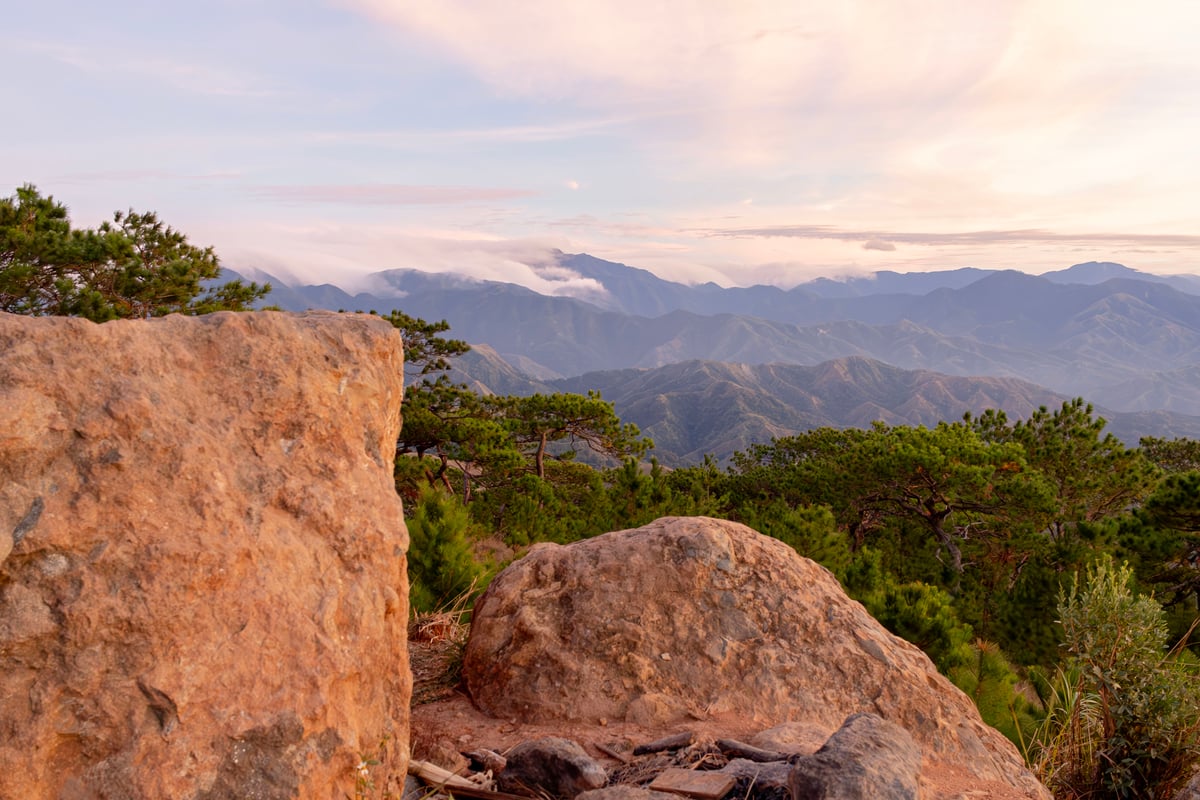
In Ilocano, Mt. Lammin is known as the “Cold Mountain.” The name is accurate. The air is naturally cold, the pine trees stand tall like walls of green, and the wind is constant, almost as if the mountain never sleeps. What surprised me most was the scent in the air. At certain points, you can smell something that resembles agarwood—a calming fragrance that makes the whole place feel like a natural retreat. Located in Piddig, Ilocos Norte, and standing at around 1,800 meters above mean sea level, Mt. Lammin offers both a tourist destination and a quiet refuge for those who want to reset, reflect, and breathe.
On Saturday afternoon, 10 January 2026, after a golf session, I made a decision that felt impulsive but necessary. I traveled roughly 52 kilometers just to reach the peak of Mt. Lammin. At first, I wasn’t even sure why I wanted to go. I hesitated. I had doubts. I kept questioning my choices—like I always do. I asked myself if it was worth it, if I was just wasting time, or if I was simply trying to distract myself from the pressures of everyday life. But I still went. Something in me needed a change of scenery, and maybe something deeper than that.
The trip took almost two hours, and the climb felt like it was slowly pulling me away from noise—not just city noise, but mental noise. As the air got colder, my thoughts also became quieter. I noticed how different it felt to breathe there. The air was fresh in a way that city air will never be. The view along the way already looked impressive, but nothing prepared me for what I was about to see at the top.
When I finally reached the peak, I stopped and just looked. Lo and behold. The entire landscape of Ilocos Norte opened before me. The view was wide, clear, and overwhelming. You could see mountains, flatlands, and distant communities that looked small from that height. It was one of those moments when you don’t even rush to take a photo, because the first thing you want to do is absorb it. The silence, the cold wind, and the view combined into one powerful experience.
And that’s where the biggest surprise happened—it made me question everything. Not in a negative way, but in a way that was honest and deep. The sight was so beautiful and so perfectly placed that I found myself thinking about something I rarely think about: how can all of this exist without a Creator? I’ve always been the type of person who focuses on reality—work, survival, responsibilities. I wasn’t the religious type. My “prayers” were usually just quick words of gratitude in the morning. That was my routine. Nothing intense. Nothing deep.
But Mt. Lammin changed that.
Standing there, I didn’t feel like I needed to prove anything or act strong. I felt humbled. I realized how small we are compared to nature. We worry about so many things every day. We take everything personally, we compete, we get angry, we lose sleep. But up there, seeing the vastness of Ilocos Norte, it hit me: we are just a tiny speck in this world. And strangely, that realization didn’t make me feel weak—it made me feel calm.
For the first time in a long time, I felt like my mind stopped fighting. I stopped thinking about what I lacked. I stopped thinking about what could go wrong next. I stopped overanalyzing. I just stood there, present, and I felt something I haven’t felt in a long time—peace. Real peace. Not the kind you get from entertainment or distractions, but the kind that reaches deep inside and feels like it’s fixing something broken.
And yes, I can say it clearly now: I was healed.
I didn’t come to the mountain expecting healing. I didn’t even know I needed it. But when you reach a place like Mt. Lammin, something happens naturally. Your chest feels lighter. Your mind feels clearer. The pressure you’ve been carrying becomes easier to understand, and somehow easier to let go. I didn’t just enjoy the view—I felt like the mountain helped me recover parts of myself I forgot I lost.
That was the moment I realized faith doesn’t always start in church. Sometimes it starts in a place where you’re forced to face reality without distractions. Mt. Lammin became that place for me. I went there with doubts and hesitation, but I went home with belief. I may not have all the answers, but I came home certain of one thing: there is a higher being, and I felt Him in that mountain—not through noise, but through silence, beauty, and the feeling of being humbled and renewed.
However, Mt. Lammin also showed a painful reality. There was trash left behind by visitors—plastic bottles, wrappers, cigarette butts, and other waste. It was disappointing to see, because places like this do not deserve to be treated like ordinary picnic grounds. This mountain is not just a background for photos. It is not just a tourist checklist. It is a place that gives people peace, clarity, and even healing—so the least we can do is respect it.
The LGU of Piddig has been doing its best to protect Mt. Lammin. They continue to remind tourists and visitors to follow rules, respect the environment, and practice discipline. The mountain was even closed down before, which only proves how serious the issue became. But reminders should not be the only solution. The real solution is personal responsibility. Every visitor should understand that nature is not something we own. We are only guests.
This is why I want to come back to Mt. Lammin—not only because of the view, not only because of the cold wind and pine trees, but because it became a turning point in my life. It reminded me of humility. It restored my peace. It strengthened my belief. And it healed me in ways I did not expect.
But when I return, I hope I return to a mountain that is still clean, still respected, and still protected. Mt. Lammin should never be trashed. It should remain what it truly is: a cold mountain that gives warm lessons, a place that changes people, and a sanctuary that deserves care—not garbage.
