




Geely maps AI shift at CES 2026

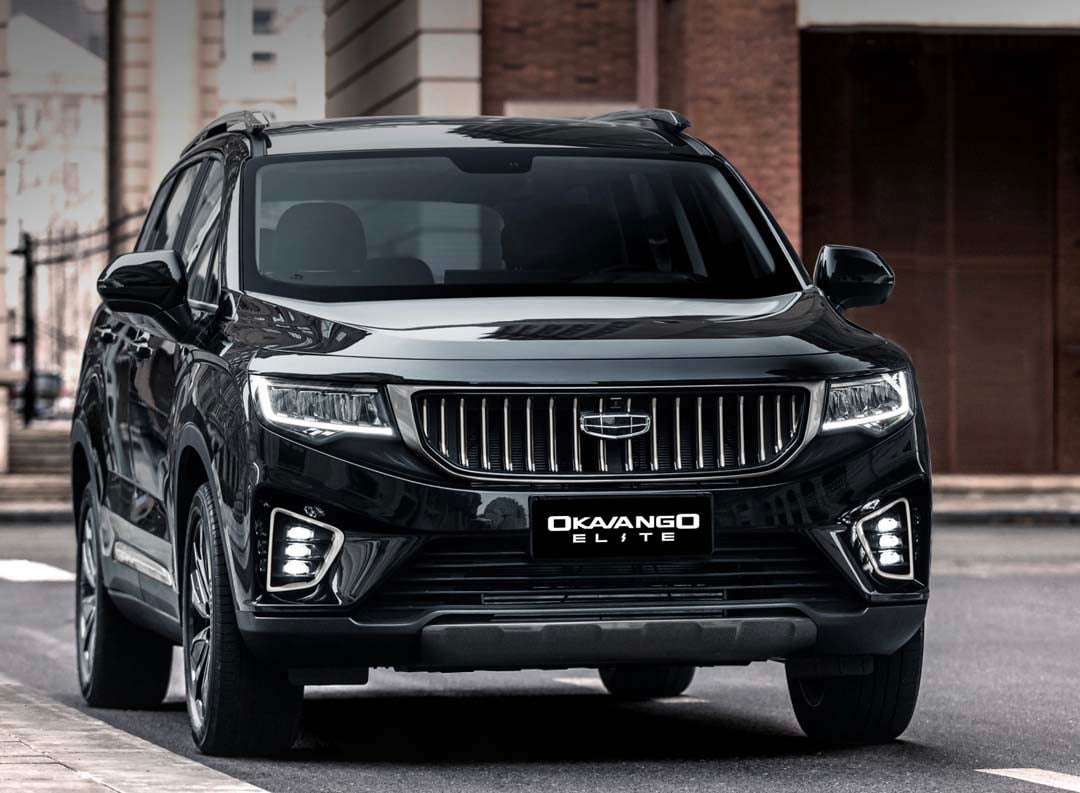
OKAVANGO ELITE appears as part of Geely’s broader lineup, shown alongside its push toward next-generation vehicle intelligence.
Photograph courtesy of Geely
Text size
OKAVANGO ELITE appears as part of Geely’s broader lineup, shown alongside its push toward next-generation vehicle intelligence.
Photograph courtesy of Geely
Geely Auto Group presented its latest vehicle intelligence systems at the Consumer Electronics Show in Las Vegas, its third consecutive appearance at the event.
The company unveiled Full-Domain AI 2.0 and G-ASD, two technologies intended to guide the next phase of its smart vehicle development. Geely positioned both systems as part of its long-term direction toward more advanced driver assistance and integrated vehicle intelligence.
The show, known formally as the Consumer Electronics Show, has become a regular venue for automakers to present software and artificial intelligence systems. Vehicle technology now takes up a growing share of floor space once dominated by consumer electronics.
Full-Domain AI 2.0 serves as Geely’s updated vehicle intelligence architecture. It replaces the company’s earlier Full-Domain AI 1.0 system. The new version brings vehicle computing power, data handling, and software models into a single centralized structure.
Geely said this allows the vehicle’s systems to operate through one core intelligence engine rather than separate modules.
Under this setup, systems related to the cockpit, chassis, safety, and driving functions operate within the same framework. Information moves across these areas in real time.
Geely said this approach supports coordinated responses and more consistent behavior across the vehicle.
Company officials described the system as a unified control center for vehicle intelligence. The structure supports scheduling and coordination of different functions without dividing them into isolated domains. Geely views this as a foundation for future intelligent features across its model lineup.
Alongside Full-Domain AI 2.0, Geely introduced G-ASD, short for Geely Afari Smart Driving. The system represents the company’s latest intelligent driving platform. It relies on artificial intelligence, large volumes of real-world driving data, and high-performance sensors and processors.
Geely said G-ASD is designed to improve safety and driver confidence in complex traffic conditions. The system processes information from multiple sensors and applies learned driving behavior drawn from accumulated road data.
G-ASD also forms part of Geely’s broader effort toward higher levels of automated driving. The company described the system as a step toward advanced autonomy while keeping current applications focused on driver assistance and real-world road use.
Jerry Gan, chief executive officer of Geely Auto Group, said artificial intelligence now influences many areas of vehicle development. He cited changes across powertrains, components, and mobility systems.
He said the company remains focused on safety, sustainability, and intelligent transport.
Li Chuanhai, vice president of Geely Auto Group and head of the Geely Research Institute, spoke about long-term development goals. He said vehicles will move toward higher levels of intelligence by the end of the decade.
He described future cars as capable of proactive service and continuous system updates. He said Full-Domain AI 2.0 and G-ASD are already in use within current vehicle platforms.
Geely’s return to CES reflects the growing importance of software-driven development in the auto industry. The company used the event to outline how it plans to integrate artificial intelligence more deeply into vehicle systems.
The presentations in Las Vegas focused on technical architecture rather than concept designs. Geely placed emphasis on system structure, data integration, and real-world application. The company said these technologies will support future products across its brands and global markets.
Buddies, associates? One happy family?
A traditional dish called zongzi is served during China’s Dragon Boat Festival, which falls in June. It is a rice…
Divina credited the firm’s achievements to its members, thanking them for their ‘hard work, dedication, teamwork, and…
‘Sec. Vince Dizon, please explain how this finding of your own team should not be flagged as a ghost project in Taguig.’
