SUBSCRIBE NOW SUPPORT US

Mt. Fuji food: Tastes from the top of Japan

The broader Japanese matcha industry might face challenges such as increasing demand, aging farmers and limited supply, but at Mt. Fuji, you can enjoy matcha anytime and as much as you like since single-origin matcha is farmed in the mountain’s fertile volcanic soil using the mountain’s unadulterated water.
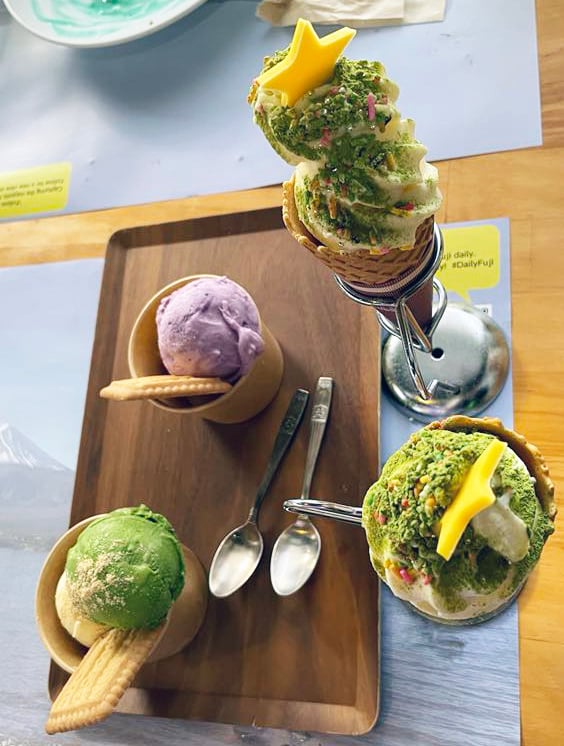
ENJOYING matcha and sweet potato ice cream at the Fuji Five Lakes.
ENJOYING matcha and sweet potato ice cream at the Fuji Five Lakes.Photograph by Deni Rose Bernardo for DAILY TRIBUNE
Published on

Standing at 3,776 meters (12,389 feet), Mount Fuji is Japan’s tallest mountain and the most climbed mountain in the world, attracting up to 300,000 climbers annually, although it is an active stratovolcano known for its iconic “perfect” conical shape that has been revered as sacred and inspirational since time immemorial.

From the Ukiyo-e (woodblock prints) of Hokusai of the Edo or Tokugawa period from 1600s to 1800s, to modern-day, big lens digital photography, Mt. Fuji has motivated many artistic expressions, including culinary arts.

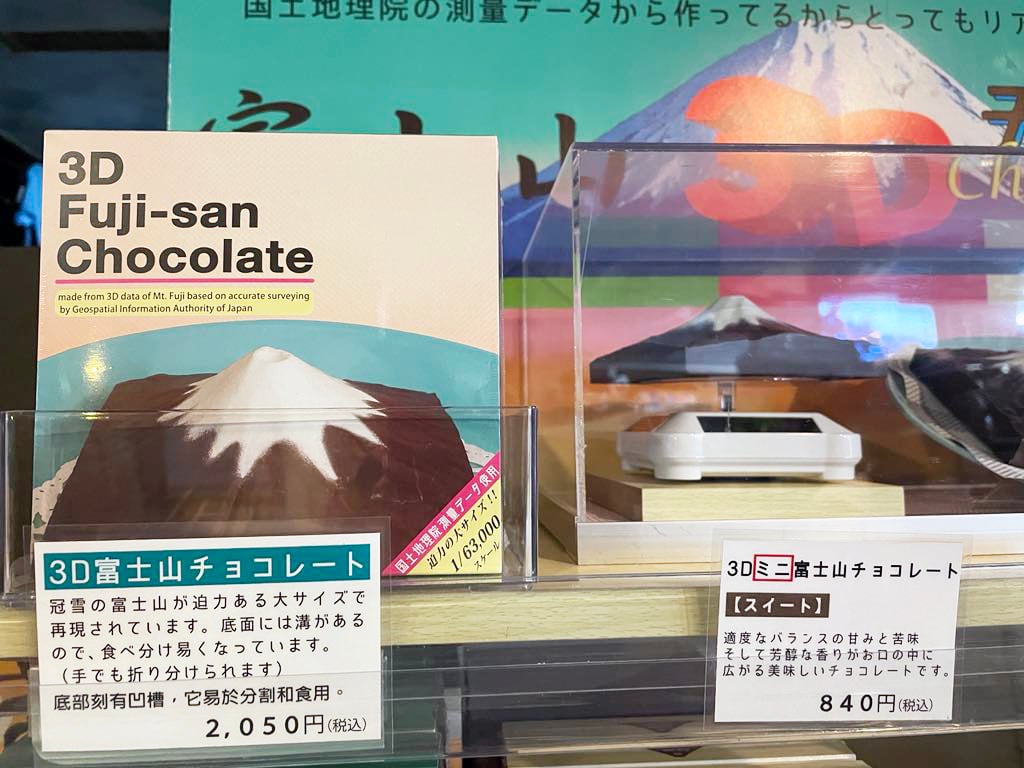
3D FUJI-san chocolate scaled after the mountain’s exact measurements.
3D FUJI-san chocolate scaled after the mountain’s exact measurements.Photograph by Deni Rose Bernardo for DAILY TRIBUNE

Besides enjoying Mt. Fuji’s fresh water straight from the tap, water that has been recognized as among the top 10 cleanest in the world and has traveled for 20 years from Fuji’s snowy peak to its ground pools at the Unesco World Heritage Site’s Five Lakes that includes the tourist haven Lake Kawaguchi; among the top things to experience in the “Land of the Rising Sun” is to savor dishes inspired by “Fujisan.”

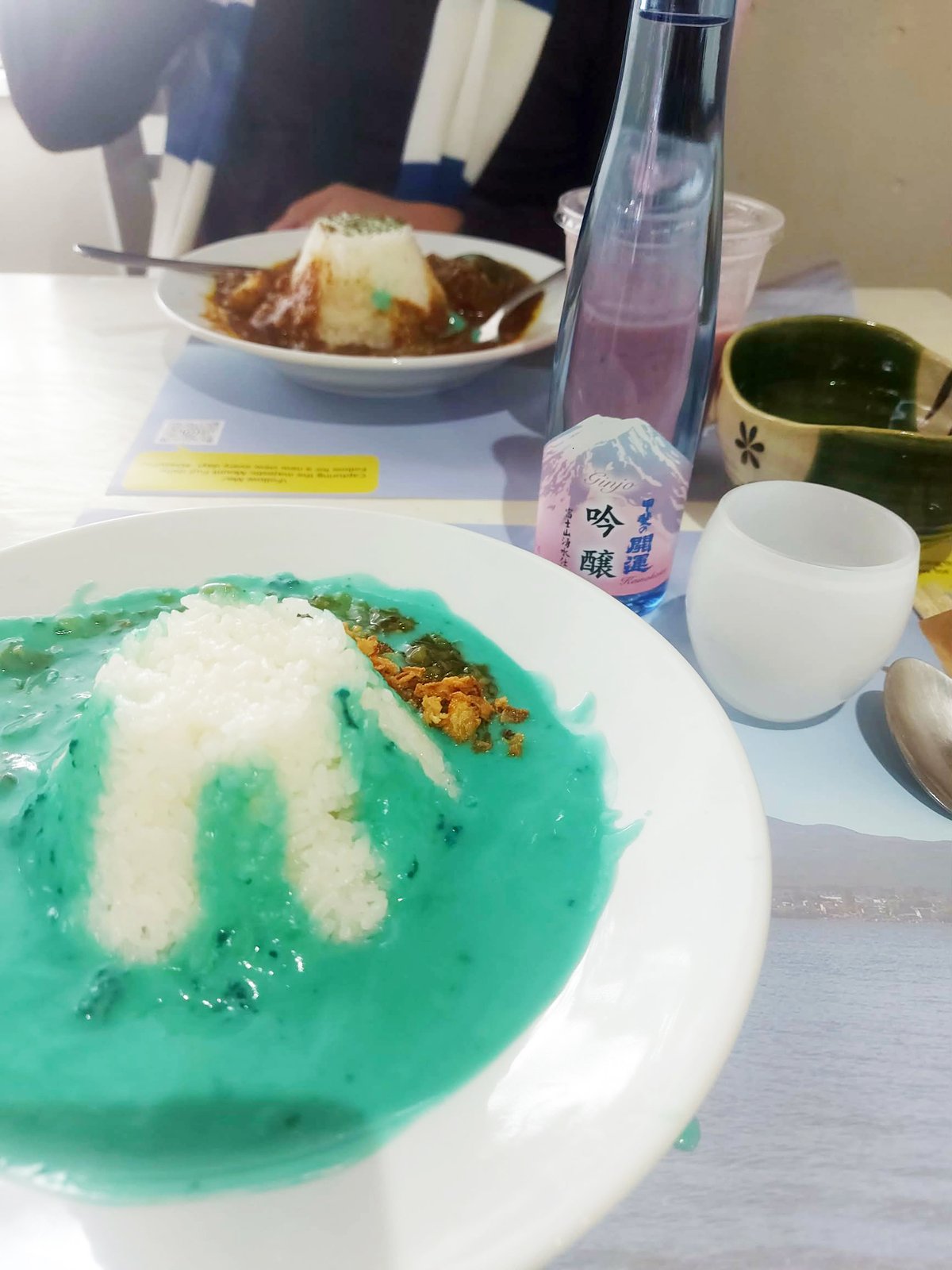
From Mt. Fuji Kit Kat in blueberry cheesecake flavor, to blue curry and rice shaped like the mountain --these Fuji lookalike dishes and delicacies range from sweet to savory, and from quirky to truly tasty. 

BLUE curry over Mt. Fuji-shaped rice.
BLUE curry over Mt. Fuji-shaped rice.Photograph by Deni Rose Bernardo for DAILY TRIBUNE

The broader Japanese matcha industry might face challenges such as increasing demand, aging farmers and limited supply, but at Mt. Fuji, you can enjoy matcha anytime and as much as you like since single-origin matcha is farmed in the mountain’s fertile volcanic soil using the mountain’s unadulterated water. 
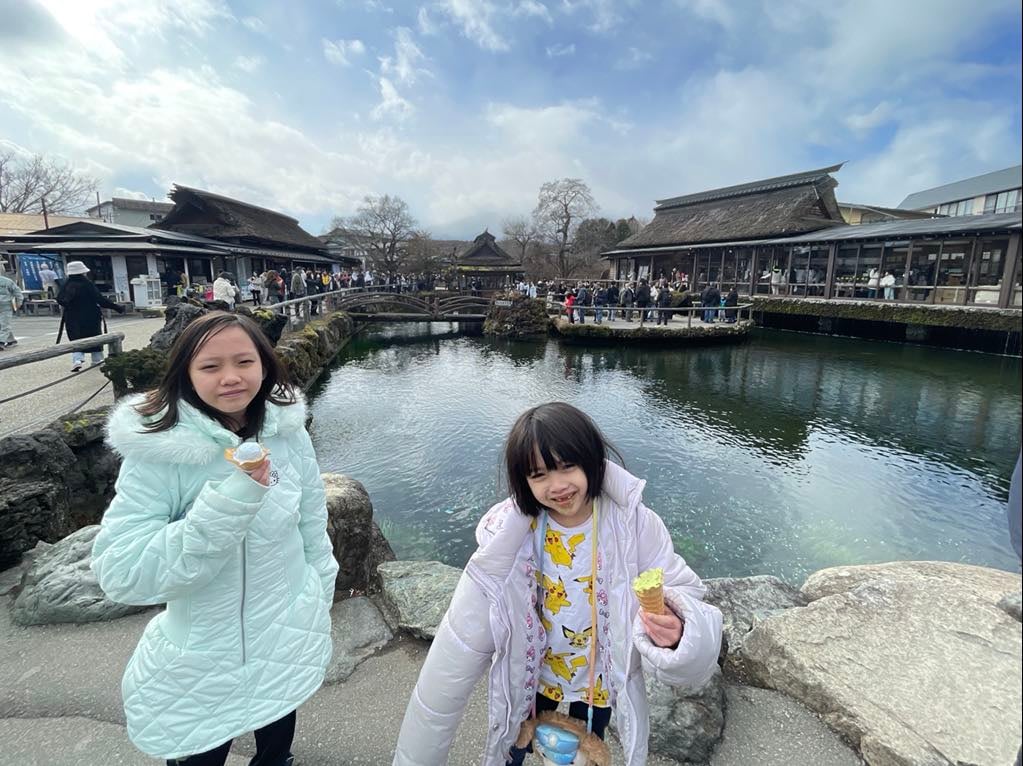
PURPLE sweet potato and hojicha ice cream.
PURPLE sweet potato and hojicha ice cream.Photograph by Deni Rose Bernardo for DAILY TRIBUNE

Matcha ice cream shaped like the Fuji — green at the bottom and vanilla-topped to resemble the snowy peak — is ubiquitous, but at the mountain, it can also be enjoyed as hot tea, cold frappe or latte, and even with the traditional Japanese alcoholic drink sake (rice wine). 

Photograph by Deni Rose Bernardo for DAILY TRIBUNE

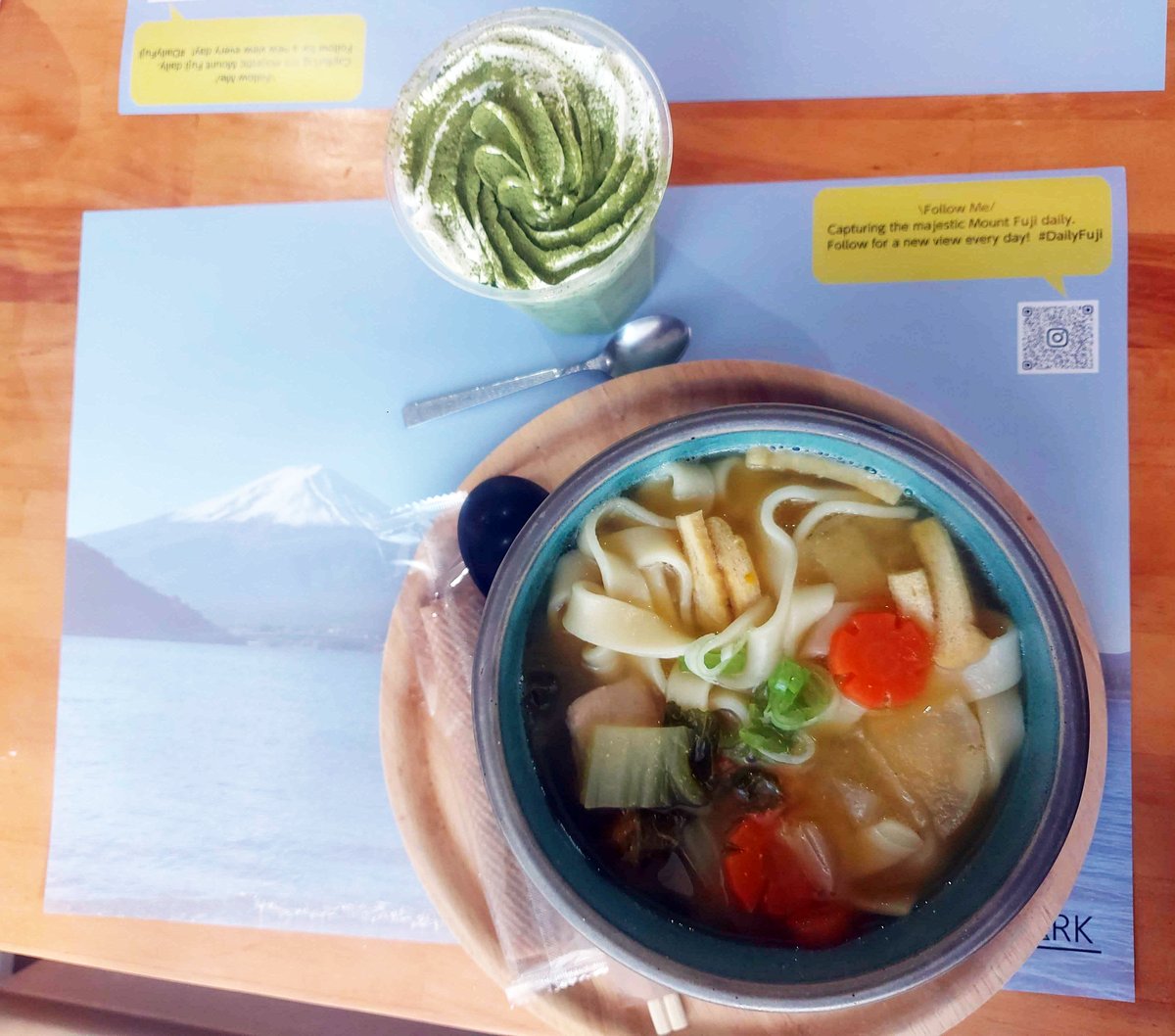
Apart from matcha and sake, which also pairs well with blue curry, the houtou or hoto is a quintessential Mt. Fuji delicacy that keeps locals warm especially nowadays during winter, offering a comforting, traditional meal popular around the Fuji Five Lakes region. This soup is a famous, hearty Yamanashi specialty featuring thick, flat wheat noodles and seasonal vegetables like pumpkin, simmered in a rich, miso-based broth, served stew-like in an iron pot. 

HOUTON soup
HOUTON soupPhotograph by Deni Rose Bernardo for DAILY TRIBUNE

At any Mt. Fuji restaurant, enjoy free and unlimited servings of hot hojicha (burnt or roasted tea), sencha (green tea) or mugicha (barley tea), which comfort climbers amid the biting winter cold.

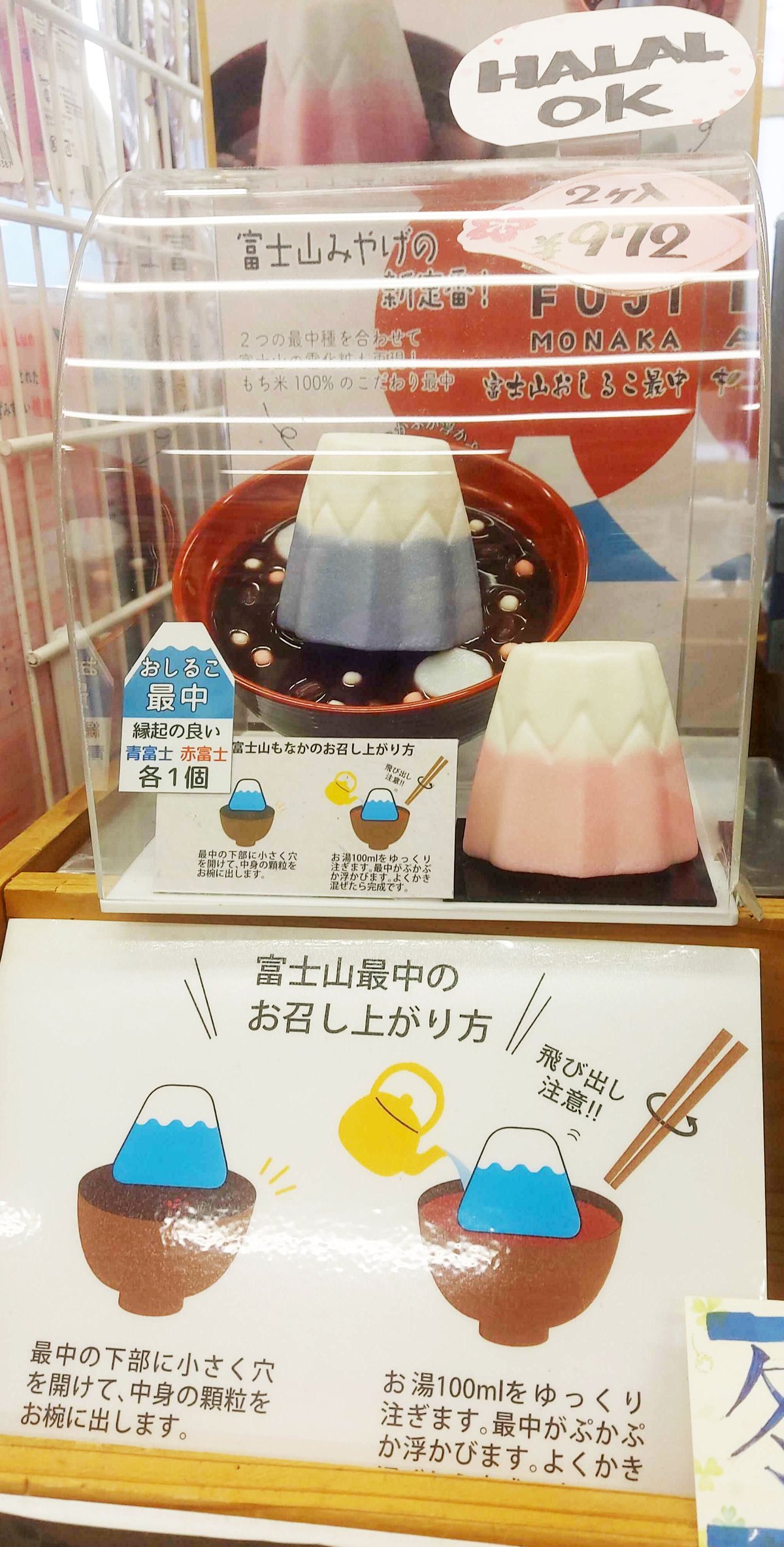
Mt. Fuji last erupted over 300 years ago or between 1707 to 1708. But within the restaurants and cafes resting in its foot, there is an endless eruption of surprising local flavors – including purple sweet potato, azuki (red bean) and grapes. Get ready to itadakimasu (enjoy with thanks) and kanpai (cheers)!

Latest Stories

No stories found.
logo
Daily Tribune
tribune.net.ph