




The priest who refused to look away
What distinguishes Fr. Flavie is not rhetoric but refusal, the refusal to separate spirituality from social reality, or mercy from accountability.

Text size
What distinguishes Fr. Flavie is not rhetoric but refusal, the refusal to separate spirituality from social reality, or mercy from accountability.
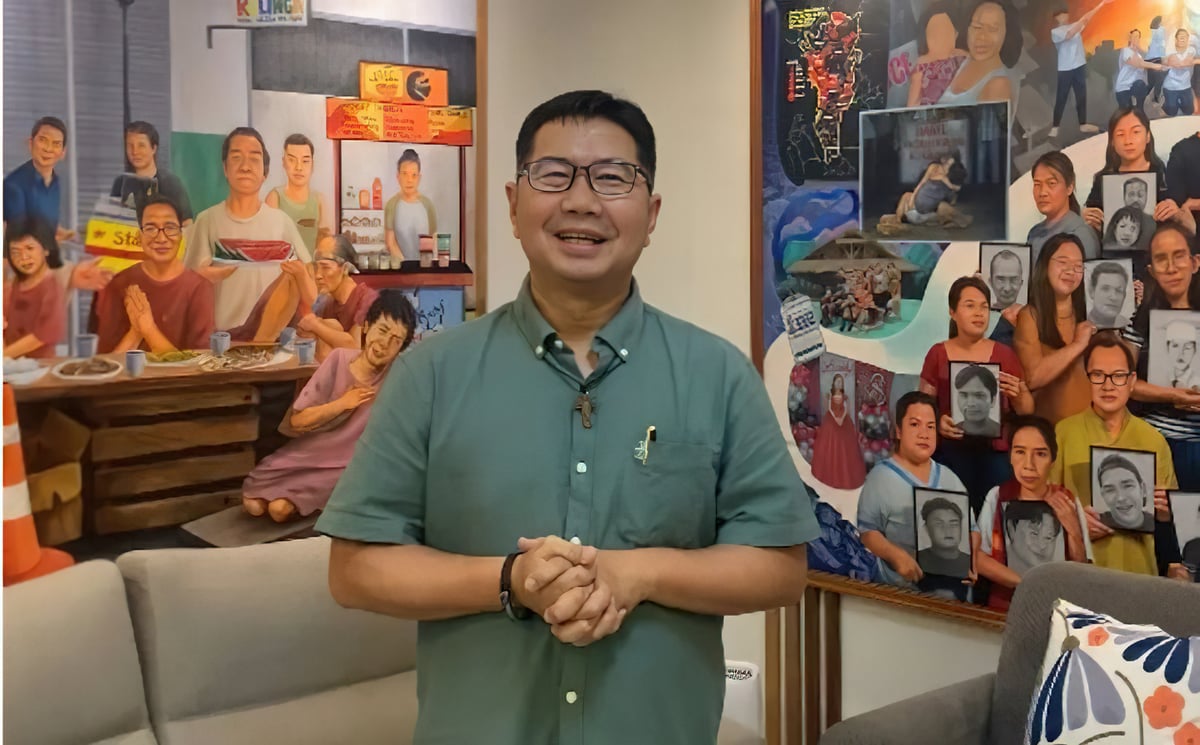
FR. Flavie’s ministry lives where grief is raw, justice unfinished and dignity rebuilt piece by piece.
Photograph courtesy of Ted Aljibe
In a country where faith often lives comfortably beside power, Fr. Flaviano “Flavie” Villanueva chose discomfort.
Long before international awards and global citations, the Society of Divine Word missionary priest made his name on the streets, where grief is raw, justice is unfinished, and dignity has to be rebuilt piece by piece. His work does not unfold behind cathedral walls but in shelters, makeshift memorials, and intimate conversations with families who have learned to live with loss.
Ordained in 2006 after a youth marked by addiction and rupture, Villanueva’s life has been shaped by recovery, personal and collective. That arc would later define his priestly ministry.
In 2015, as Manila’s poorest communities absorbed the brunt of social neglect, he founded the Arnold Janssen Kalinga Center, a space that rejected charity as spectacle. Its philosophy was simple and radical: feed the hungry, yes, but also restore dignity. The program’s core services, food, hygiene, education and pastoral care, were built not as handouts, but as acts of recognition.
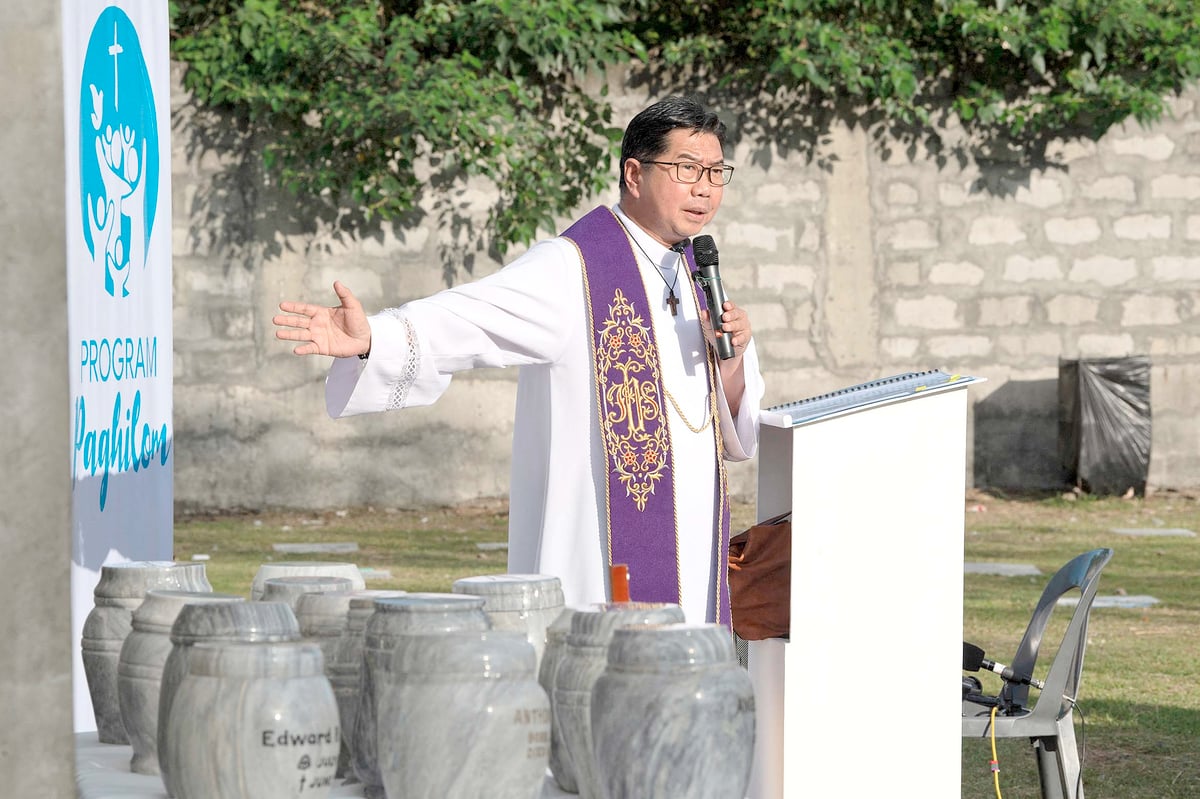
That commitment would be tested during the height of the Philippines’ war on drugs. As bodies accumulated and families were left with little more than silence, Villanueva became one of the few religious figures willing to stand publicly with the bereaved. He helped organize burials for the dead, counseling for the living, and spaces where grief could be named rather than erased.
The Dambana ng Paghilom, a memorial columbarium for victims of extrajudicial killings, stands today as both sanctuary and indictment.
Speaking out came at a cost. Villanueva faced political pressure and legal scrutiny, including sedition charges that were later dismissed. But retreat was never his instinct. For him, faith was not neutrality, it was presence.
In 2025, that body of work was recognized with the Ramon Magsaysay Award, Asia’s most prestigious honor for public service. The citation spoke of compassion and courage, but Villanueva himself deflected the attention. The award, he said, was not a personal victory, but a recognition of the communities that had endured violence for far too long.
What distinguishes Fr. Flavie is not rhetoric but refusal, the refusal to separate spirituality from social reality, or mercy from accountability. His ministry insists that healing is not abstract and redemption is not private. It is communal, contested and often unfinished.
In a year defined by noise and forgetting, Fr. Flavie Villanueva mattered because he remembered and made the nation look where it preferred not to.
Housing is probably the biggest issue affecting people the world over.
Malacañang on Monday called for a more thorough investigation into the questioned flood control projects in Taguig…
The defense on Monday backed the move by senator-judges to exclude a prosecution witness who testified on the firearms…
