
From toy Ferraris to Filipino EVs: The story behind my startup car company
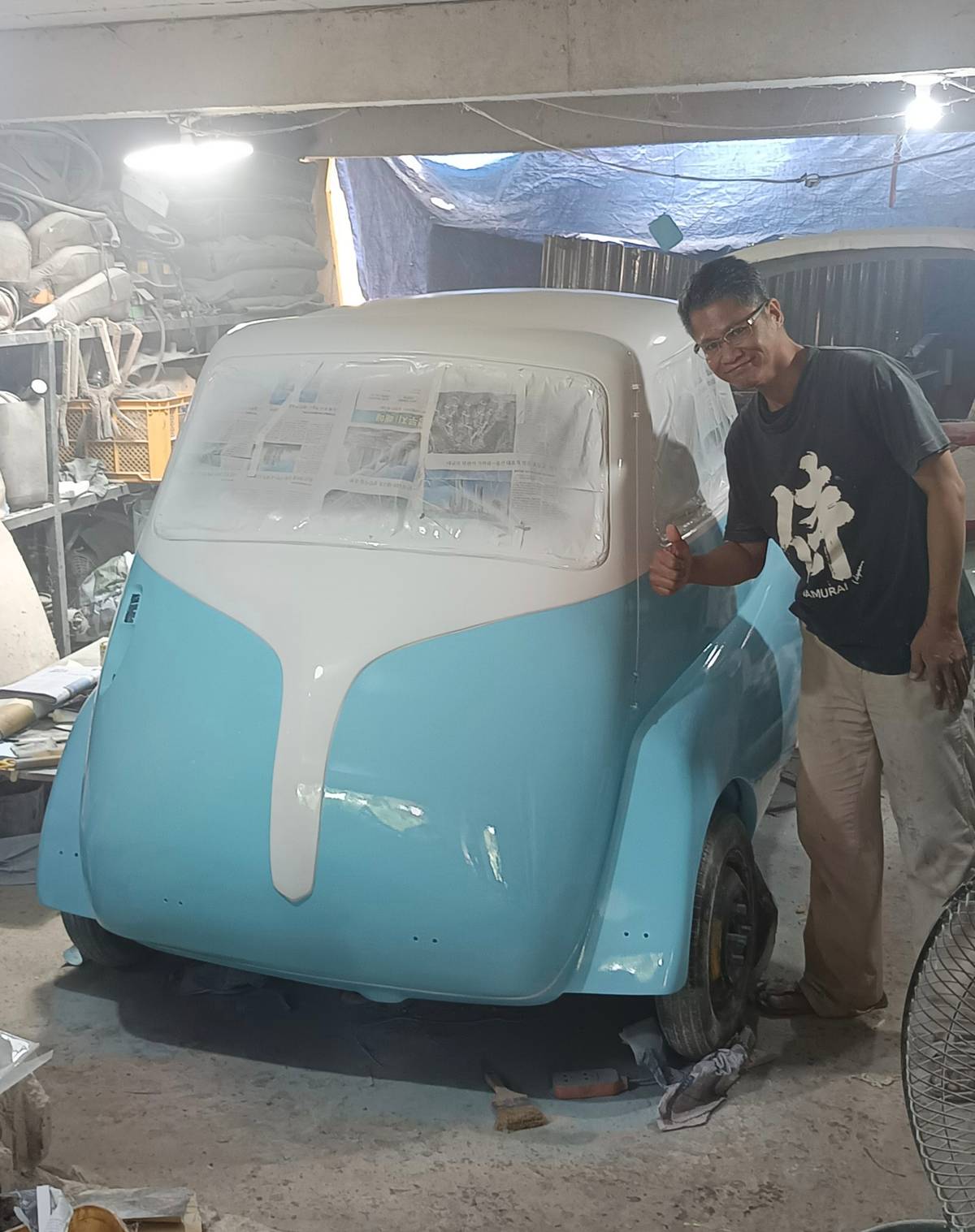
INSIDE a small workshop, a freshly painted body shell stands as part of the hands-on process behind building locally designed electric vehicles from the ground up.
For as long as I can remember, my life has revolved around cars. It began the day my father brought home a small remote-control Ferrari. Most kids would play with it — I dismantled it.
Then I reassembled it. That curiosity never left me. Every free hour I had. growing up was spent tinkering, modifying, and improving anything with wheels.
When I entered college, Computer-Aided Design (CAD) wasn’t even part of the Mechanical Engineering curriculum. But I pursued it on my own.
That decision shaped my life. It opened the door for me to join Mitsubishi Heavy Industries in 1994, where I became one of the earliest engineers in my circle to master 3D CAD.
Outside work, I applied those skills to my own cars — designing custom bumpers, reworking interiors using fiberglass, and challenging myself to build more complex components. Eventually I gained the confidence to tackle a full vehicle.
My dream was to build a replica of the McLaren F1, a project that began in the early 2000s with full 3D CAD modeling and cutting sectional ribs.
During those years, I was active on message boards, where I met Anthony Keating, who was starting his own car company.
From 2004 to 2006, I designed and built the body of the Keating TKR, an experience that pushed me to resign from Mitsubishi and pursue car building full-time.
My next major project was the Genius MUV, a microcar originally powered by a 3-cylinder engine, and later another unit was built into an EV in 2014, long before electric vehicles became mainstream in the Philippines. That time we were known as Clima-mobility.
In 2009, financial realities forced me to work overseas as an OFW. But every time I returned home between deployments, I would go straight back to the workshop. Car building was not just a job — it was the thing that kept me grounded.
In 2014, during a short break from overseas work, I launched the Genius EV. It was ahead of its time, and while it didn’t take off, it strengthened my belief that the Philippines could build its own electric vehicles.
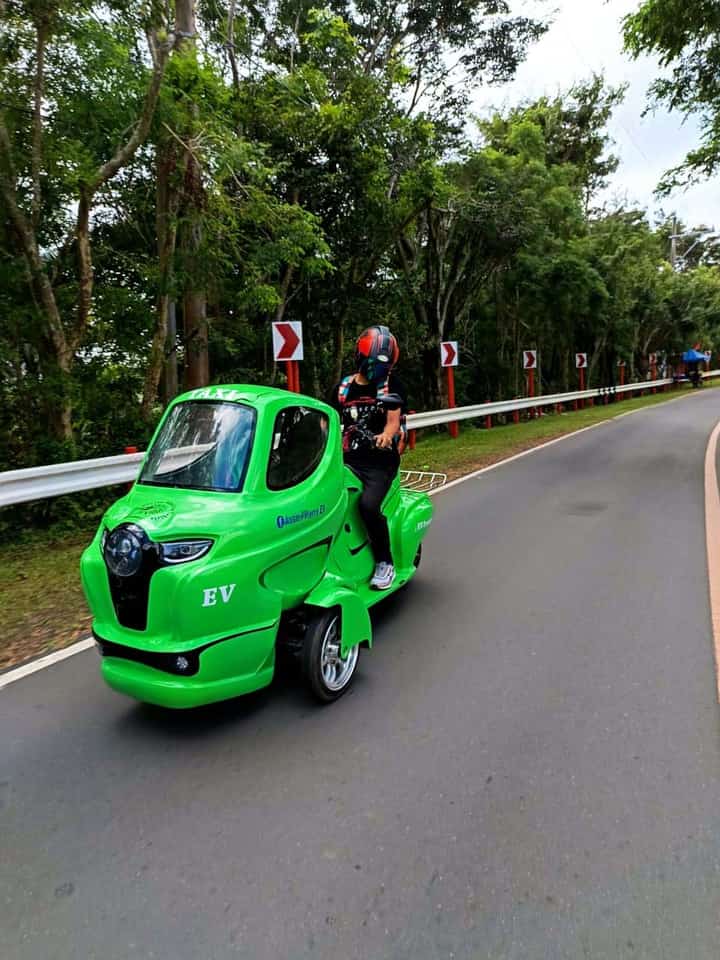
Right after the pandemic, I felt a renewed urgency to create something that addressed real commuting needs. I designed a vehicle that physically isolates the passenger from the driver for safety — the Genie E-Trike.
I built the prototypes in Indonesia, working literally out of my bedroom in company housing. Three running prototypes came to life there. When my assignment ended, I didn’t abandon the project; I dismantled the body and brought it home to the Philippines.
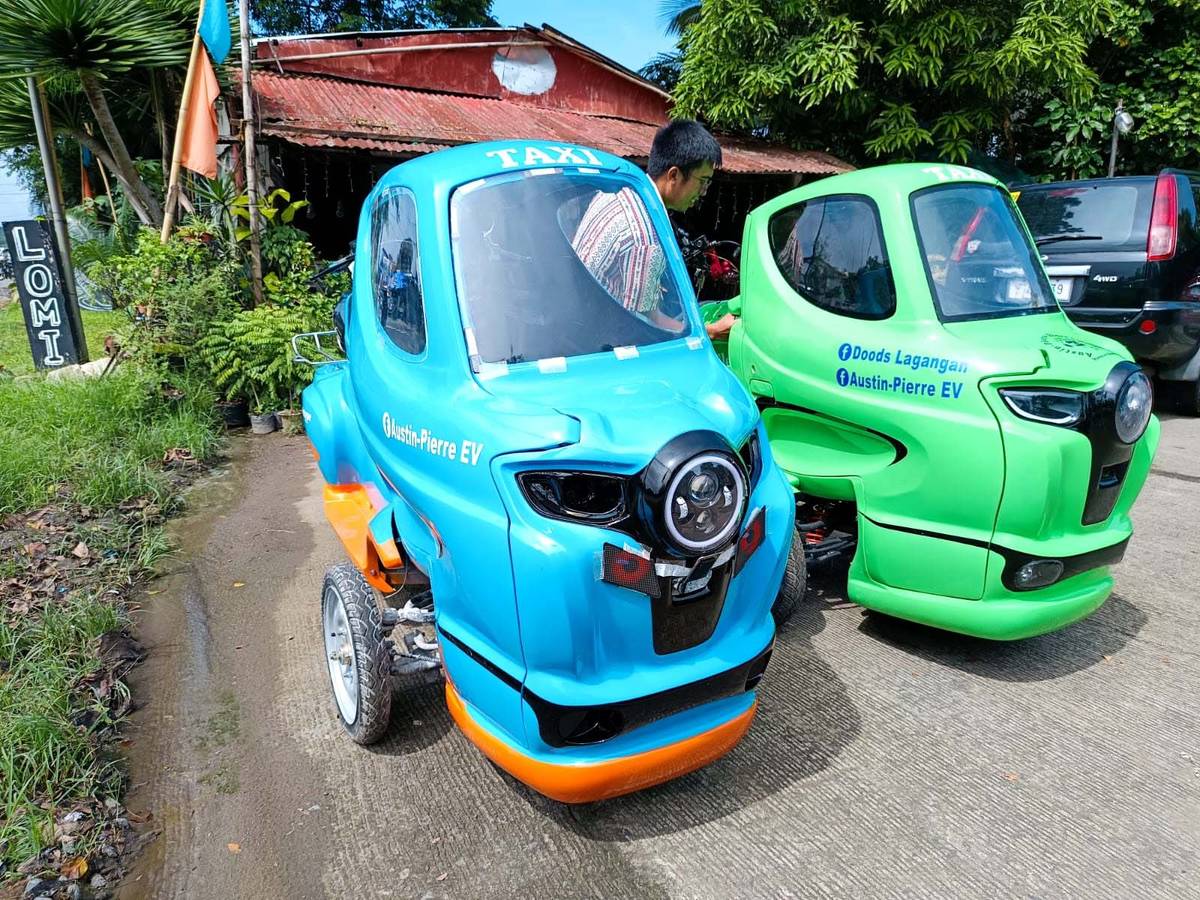
EARLY Genie E-Trike prototypes sit side by side and show working electric vehicles built to address everyday Filipino commuting needs.
Photograph courtesy of Adonis Lagangan
Around the same time, I urged my nephew to open a small car shop. We restored VW Beetles and began building a Porsche 356 replica. When I finally stopped working overseas for good, I returned fully to my life’s mission: building Filipino vehicles.
Since then, I’ve completed the Genie E-Trike, built an Isetta replica, and most recently developed the Glitch E-Trike and am now developing a logistics trike based on the Glitch. Our new company is registered as Austin-Pierre Motor Vehicle Manufacturing.
My ultimate goal is simple: To get a Filipino car manufacturing business off the ground — one that creates jobs, builds local expertise, and gives Filipinos pride in what we can produce. This is the perfect time.
The EVIDA law is now in effect, and government agencies and public transportation programs are shifting toward sustainable transport. Instead of importing all these vehicles, we should develop and manufacture them here. We have the talent. We have the need. All we require is support.
I hope the government sees the value of this vision and provides grants, loans, or funding that will help make this industry a reality. Even reallocating a portion of existing assistance programs toward job creation could transform communities more sustainably.
We cannot let this opportunity pass. The Philippines can build its own electric vehicles. I’ve spent my entire life preparing for it — and I’m ready.