
Movie tickets for P100 will never come back
Why going to the movies feels expensive (and it’s not a scam)

‘But here’s the uncomfortable truth: expensive cinema tickets are not about greed. They are about economics. Plain and simple economics.’
Pinoys are complaining about the high prices of cinema, especiallynow, during the Metro Manila Film Festival. MMFF entry (and 3rd Best Picture) Call Me Mother director Jun Robles Lana recently made headlines when he remarked that going to the movies has become a privilege of the middle class.
On the surface, Lana’s frustration is understandable. A family of three, as he cited, would already spend P1,500 on tickets alone. And that’s before popcorn, drinks, parking, or a Grab ride home.
Compared to a P500 monthly streaming subscription to Netflix, Disney+, and the cheaper ones like Prime, Mubi and Max, the cinema can feel wildly expensive, even unreasonable.
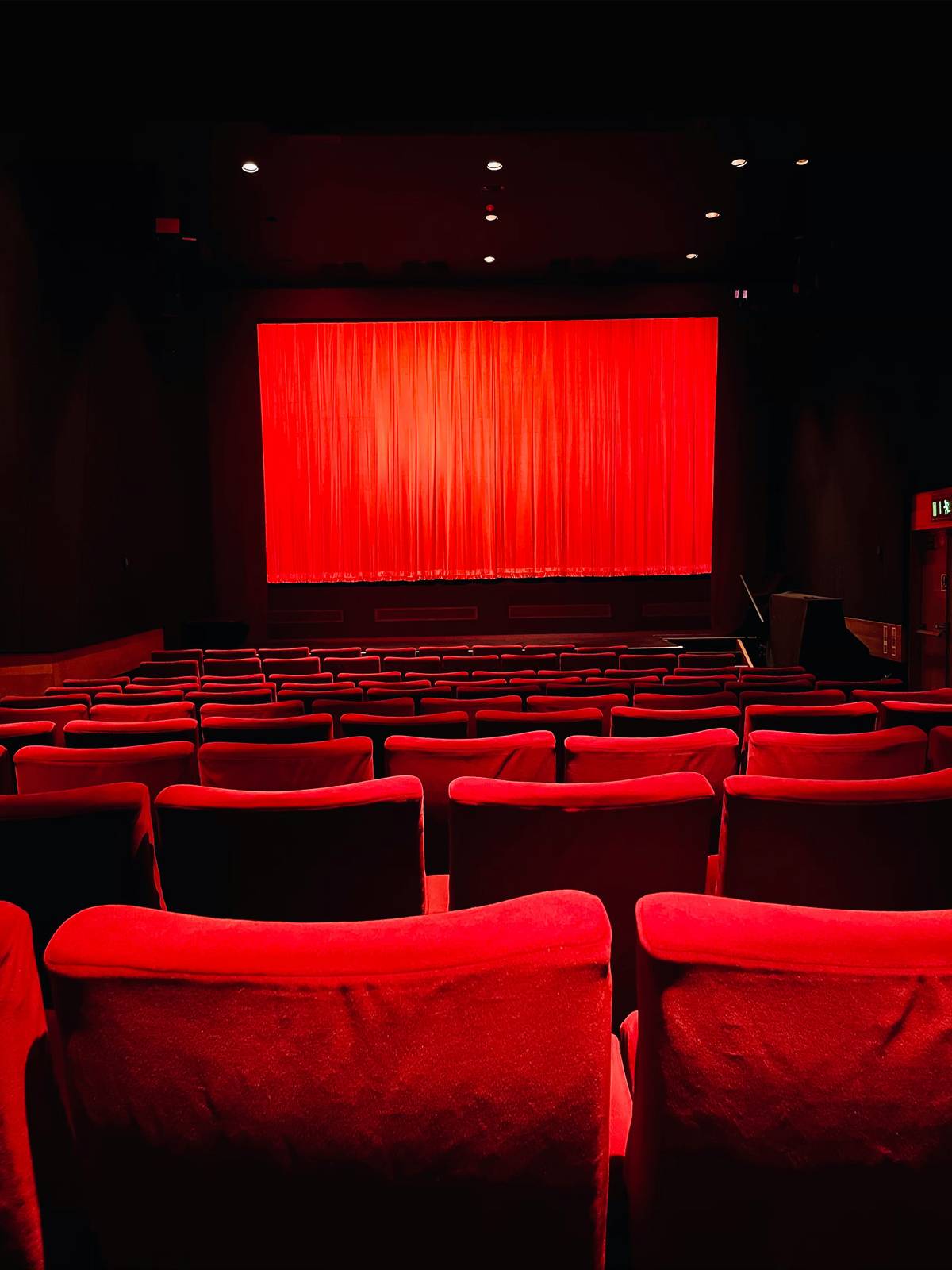
MODERN cinemas are nothing like their old counterparts.
Photograph courtesy of Merch Husey/Unsplash
We often compare today’s ticket prices to the 1990s, when movies cost P25 and you could walk in anytime, sit through multiple screenings, and stay all day. But that nostalgia skips a crucial detail: P25 in the mid-1990s is roughly P120–P150 in today’s money. And that’s just inflation — before we even talk about how much cinemas cost to operate now.
Modern cinemas are nothing like their old counterparts. Today’s theaters operate with digital or laser projectors that cost millions per screen, high-powered surround sound systems, nonstop air-conditioning, strict cleaning protocols, higher mall rents, and a workforce paid under current minimum wage laws.
So, even the most “basic” cinema today is far more expensive to maintain than a packed, sweaty movie house from three decades ago. In 2026, a P100 ticket wouldn’t even cover electricity and staffing for a single screening, let alone rent, maintenance, and equipment.
Another common complaint is that cinemas chose to become “luxury” — IMAX, 4DX, reclining seats, beds, premium lounges, even butlers, and access to these cost nearly P1,000 pesos. But this is not really “indulgence.” Premium formats subsidize regular screens. The higher margins from IMAX or recliner cinemas help keep standard ticket prices from climbing even higher. Without those premium options, cinemas wouldn’t magically be cheaper. They would either raise prices across the board or shut down.
Then there’s the Netflix comparison, which always sounds convincing until you look closely. Yes, one movie ticket can cost as much as a one-month subscription. But the two operate on completely different economic models.
Streaming platforms operate on massive global scale
Cinemas don’t. Netflix can spread one movie across millions of subscribers. A cinema earns from maybe a hundred people per screening, in one physical space, with real-world costs attached.
Film festivals, meanwhile, operate under a completely different economic model, which is why festival tickets are almost always cheaper, such as Cinemalaya, FDCP films, and even free ones, like foreign film festivals.
Why? Indie and cultural festivals are typically subsidized by government cultural agencies, local government units, private sponsors, embassies, and corporate partners, and are not expected to survive on ticket sales alone. They also do not follow the standard box-office revenue split between exhibitors and distributors; films are usually screened under flat fees, waivers, or cultural exchange arrangements.
Festival screenings are limited and non-repeatable, and venues are often rented temporarily rather than operated year-round. Lower ticket prices, therefore, are part of the festival’s cultural mission, not proof that regular cinemas are overcharging.
MMFF, by the way, is a “film festival” in name, but not in economic structure. Its films are screened in regular commercial cinemas under the same costs and revenue-sharing arrangements as Hollywood releases, with no ticket subsidies in place. It also runs during the peak Christmas season, when operating costs are highest. As a result, MMFF ticket prices mirror mainstream cinema pricing because it functions as a commercial theatrical run, not a subsidized cultural festival.
Going back to our wishful thinking of getting access to Call Me Mother for only, say P100, and tagging the kids along: What we’re really mourning isn’t cheap tickets. We are actually longing for a time when going to the movies was the default form of entertainment. Today, cinemas compete with streaming, gaming, social media, and home setups that didn’t exist before. To survive, they’ve repositioned themselves as experiences, not just places to sit in the dark. That shift inevitably comes with higher prices.
Going to the movies is expensive
But calling it a “middle-class privilege” ignores the reality that ticket prices are already conservative relative to operating costs. What people unrealistically want is 1990s pricing with 2026 comfort, wages, technology, and labor protections. That version of cinema simply does not exist. Economically, it just can’t.
The only way to get P100 movie tickets back is simple: bring back 1990s salaries, 1990s electricity rates, 1990s mall rents, 1990s air-conditioning, and maybe the sticky floors and broken speakers too. Until then, the cinema is not really overpriced. It is just living in the same economy as everyone else.