
US child care fraud probe offers warning signs for Phl subsidy programs

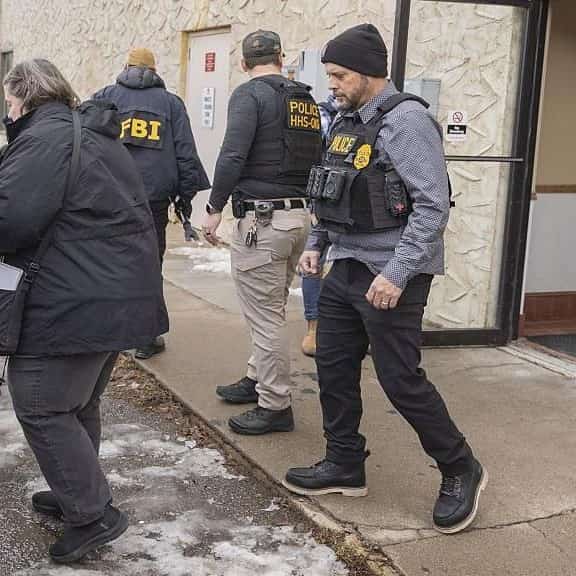
The sweeping fraud investigations in Minnesota that prompted Washington to freeze about $185 million in federal child care funding offer sobering lessons for the Philippines as it continues to safeguard billions in taxpayer-funded social protection programs.
According to CNN, the US Department of Health and Human Services has halted payments to Minnesota while the FBI and the Department of Homeland Security investigate suspected large-scale fraud involving child care assistance. The freeze affects funding intended for some 19,000 children.
Deputy Secretary Jim O’Neill said funds will only be released once states prove legitimate spending, CNN reported.
While the scandal is unfolding thousands of miles away, Philippine watchdog agencies such as the Commission on Audit (COA), along with research institutions like the Philippine Institute for Development Studies (PIDS), have repeatedly flagged similar vulnerabilities in PhilHealth reimbursements, pandemic aid distribution, the 4Ps cash transfer program, and other state subsidies.
Previous COA reports have noted weak monitoring, slow liquidation of funds, questionable transactions, and the presence of ineligible or duplicate beneficiaries, while PIDS has warned of governance and verification loopholes in subsidy delivery.
The Minnesota episode underscores how massive fraud in welfare systems can trigger sweeping consequences — from funding freezes to political fallout — ultimately affecting legitimate beneficiaries.
The development reinforces calls in the Philippines for stronger verification systems, real-time auditing, digital tracking, and tighter oversight to ensure funds reach intended recipients.
CNN also reported that the US investigation intensified after a viral YouTube video alleged fraud in Somali-run child care centers, underscoring how social media and politicized narratives can influence government action.