
What the country needs: Genuine justice. Now
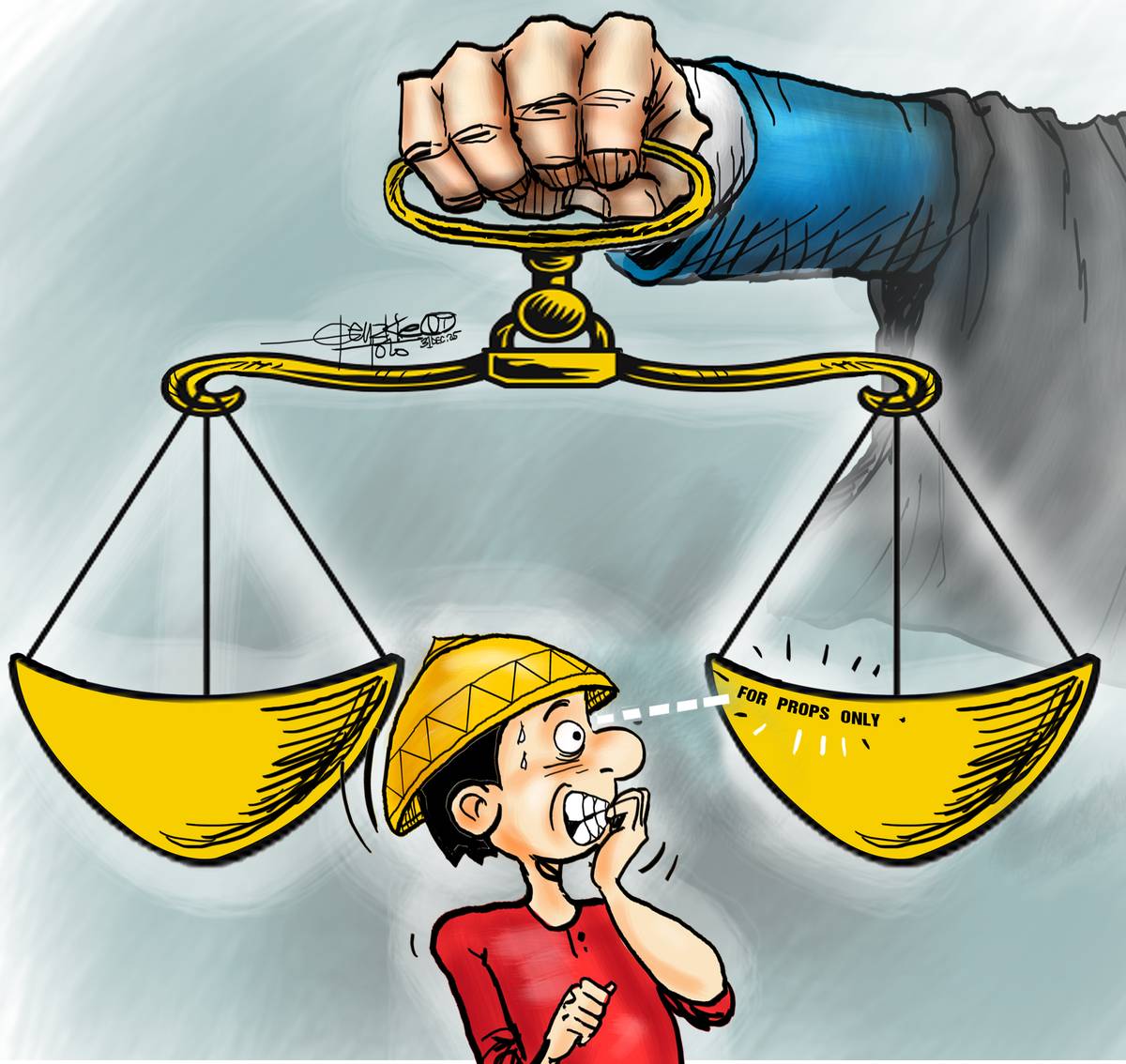
Is there hope for systemic change in this country? Ultimately, the nation needs to see genuine justice rendered, not just a show of it.


The uncloaking in 2025 of a corruption scandal of unprecedented scale — billions pocketed by public servants and complicit contractors from ghost or substandard flood control projects — has ripped through the Philippine body politic.
From presidential reprimands to massive street protests, a rare and forceful public appetite for accountability has emerged. Yet, as the dust settles, the critical question looms: will this moment crystallize into transformative justice, or will it become another chapter in the long history of impunity, eroding public trust, in this country?
There had been elements of promise in the initial response following the President’s decrying of the shamelessly corrupt at the Batasan, as he faced legislators during his fourth State of the Nation Address on 28 July.
The uncloaking of the scandal, fueled by such testimonies as that of former DPWH undersecretary Roberto Bernardo, reached up to the highest echelons.
The naming of senators, House members and even former senior officials appointed by President Marcos Jr. himself suggested a sweep that would be comprehensive.
The creation by the President of the Independent Commission for Infrastructure (ICI) and the Ombudsman’s potential filing of charges against high-profile figures indicated that the machinery of accountability was, at least, in motion.
These steps, however, were merely the opening scene of a drama whose ending remains uncertain. The President’s own promise that the nation would see “big fishes” thrown into jail by Christmas is unfulfilled.
The true test of the government’s sincerity in putting an end to this runaway corruption and bringing the culprits to justice lies not in the spectacle of accusation, but in the meticulous, impartial and courageous pursuit of truth and consequence.
The alarming allegations of fugitive former representative Zaldy Co, directly implicating the President and his cousin, former House speaker Martin Romualdez, presented the ultimate litmus test for the system’s integrity.
Will investigators follow these leads “without fear or favor? Will the Independent Commission for Infrastructure’s recommendations concerning powerful figures, including former speaker Romualdez, be acted upon with resolve, or shelved for political convenience?
The public’s demand is for justice that is blind to status, not a theatrical performance where lower-level operatives become scapegoats while the architects of the scheme remain untouched.
This is the pivotal juncture. If what follows is a process marked by substantiated evidence, and prosecutions that adhere strictly to due process — devoid of partisan bias — it could indeed mark the beginning of a profound moral and institutional cleansing.
It would signal that the law truly serves the people, and is not a weapon of the powerful. Such an outcome could begin to repair the shattered covenant between the citizenry and the state, restoring the idea that public service is a public trust.
Conversely, if the proceedings become selective, procedurally flawed, or transparently political, the consequences will be catastrophic.
A show trial would not merely fail; it would actively deepen the rot. It would breed a new generation of cynics, confirming the darkest belief that in the Philippines, power ultimately protects its own, and legality is a tool for manipulation.
The “shocks” of the scandal would then have been in vain, leaving the system more resilient in its corruption and the public more profound in its disillusionment.
President Marcos Jr. now stands at the center of this storm, his trust rating plummeting precisely because the scandal strikes at the heart of governance. The question of whether he can resolve this “crisis of mistrust” is inseparable from the question of whether he will permit — or better yet, forcefully champion — an investigation that will follow the evidence wherever it may lead, even into his own inner circle.
His searing reprimands will ring hollow if they are not matched by an unrestrained force in concretizing impartial action. Leadership in this moment requires surrendering political protection to the principle of accountability.
Ultimately, the nation needs to see justice rendered, and not just a show of it. The stolen billions meant for projects to prevent inundation have created a flood of public rage and despair. Only by channeling that energy into a credible, conclusive and just legal process can the waters recede, laying bare a foundation solid enough to rebuild upon.
The year’s end closes a chapter of exposure; the year’s beginning must open one of unwavering, legitimate resolution. The survival of this government, nay, the soul of Philippine democracy, depends on it.