
Israel’s Highest Honor: A Look at Past Israel Prize Laureates — and Why Trump’s Award Breaks Tradition


With Israeli Prime Minister Benjamin Netanyahu announcing plans to award U.S. President Donald Trump the Israel Prize, attention has turned to the extraordinary nature of the recognition. The Israel Prize is traditionally reserved for Israelis who have made landmark contributions to the nation’s cultural, scientific, political, or social life.
Trump would become the first non-Israeli recipient, making the decision a historic break from precedent. To understand the weight of that move, it’s important to look at the figures who have received the nation’s most prestigious honor before him.
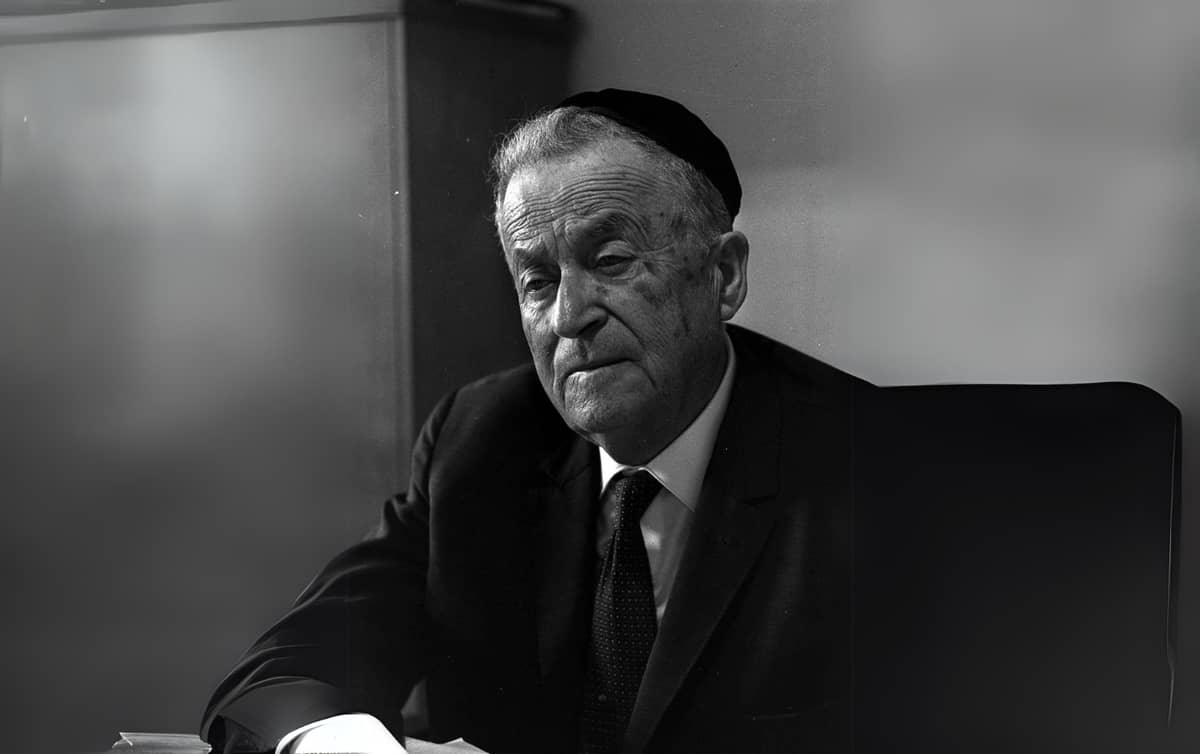
SHMUEL YOSEF AGNON (1954)
https://ukrainianjewishencounter.org/en/shmuel-yosef-agnon-czaczkes-1887-1970/
Widely regarded as one of the founding pillars of Israeli literature, Shmuel Yosef Agnon—also known as Shai Agnon—helped build Israel’s modern literary identity. Born in Galicia, he immigrated to British Mandate Palestine at 20 and became one of the earliest voices to reflect the Jewish experience in the developing nation.
Best known for “The Bridal Canopy,” Agnon’s works explored the struggle between tradition and modernity, and the fading life of Jewish shtetl communities. His influence extended beyond Israel when he became the first Israeli Nobel Laureate in Literature in 1966. Agnon died in Jerusalem in 1970 and remains a national cultural icon.
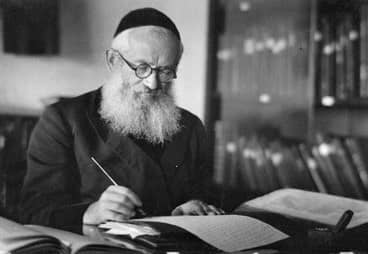
YITZHAK HALEVI HERZOG (1958)
https://yadchaimherzog.org.il/en/rabbi-isaac-halevi-herzog/
Rabbi Yitzhak Herzog, born in Russian Poland and later Chief Rabbi of Ireland, became a towering spiritual figure in Israel after making aliyah. Serving as Ashkenazi Chief Rabbi of both Mandate Palestine and later the State of Israel, Herzog helped shape the religious framework of the young nation.
He is also remembered as the patriarch of an influential political dynasty—father of President Chaim Herzog and grandfather of current President Isaac Herzog. He died in 1959.
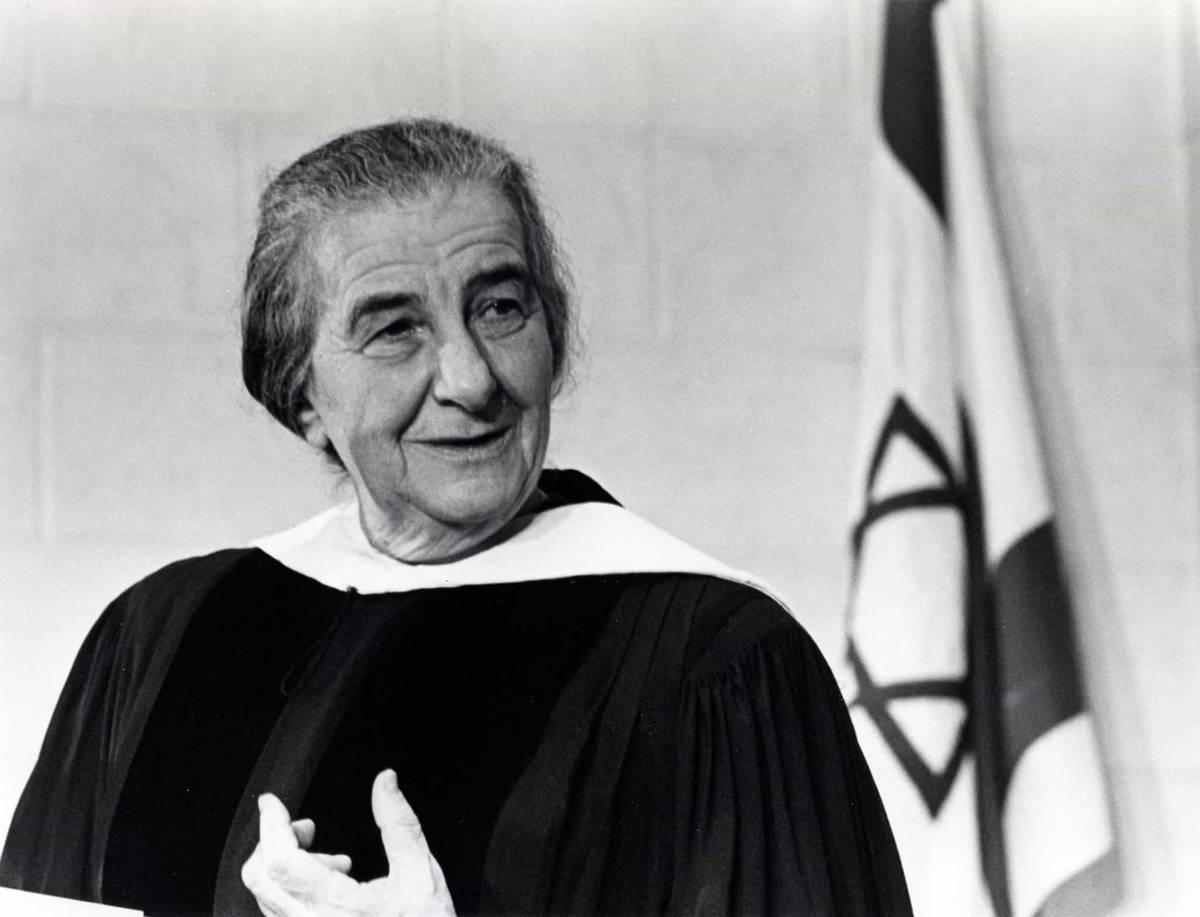
GOLDA MEIR (1975)
https://www.americanjewisharchives.org/snapshots/golda-meir-in-america/
Known as “the Iron Lady of Israel,” Golda Meir was Israel’s first and only female prime minister. Born in Kyiv and raised in the United States, she later settled in Palestine and rose through political ranks through social activism and public service.
As prime minister, Meir led Israel through the turbulent Yom Kippur War in 1973. Although the war cost her political support and led to her resignation, Meir remains one of Israel’s most significant and influential leaders. She died in 1978.
TAL BRODY (1978)

https://kosmagazin.com/101-greats-tal-brody/
Basketball legend Tal Brody brought Israeli sports global recognition. Born in New Jersey, he chose Israel over the NBA after starring for the University of Illinois and Team USA. Joining Maccabi Tel Aviv, he led the team to a historic 1977 European Championship victory, famously declaring: “We are on the map!” He remains a symbol of national pride in sports history.
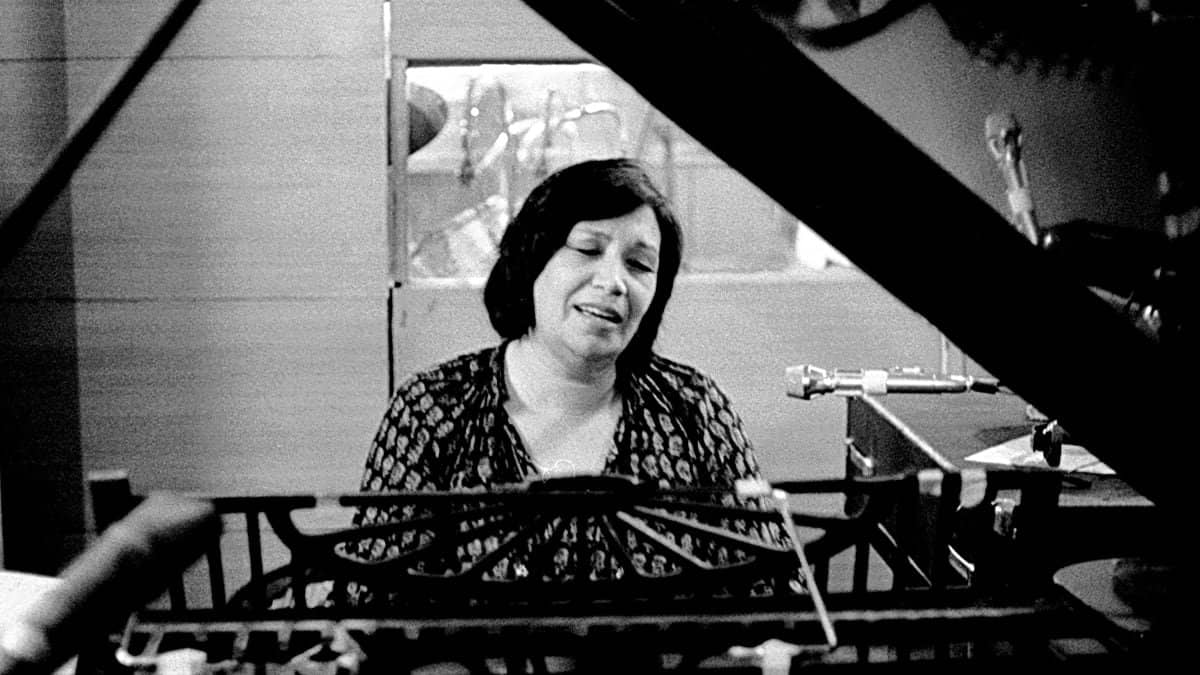
NAOMI SHEMER (1983)
https://moreshet.com/en/naomi-shemer-the-voice-of-israel
Revered as the “First Lady of Israeli Song,” Naomi Shemer gave Israel one of its most emotional national anthems: “Jerusalem of Gold.” Written before the Six-Day War and later expanded afterward, the song became synonymous with national identity and resilience. Her works bridged poetry, politics, culture, and faith. Shemer passed away in 2004.
ADIN STEINSALTZ (1988)
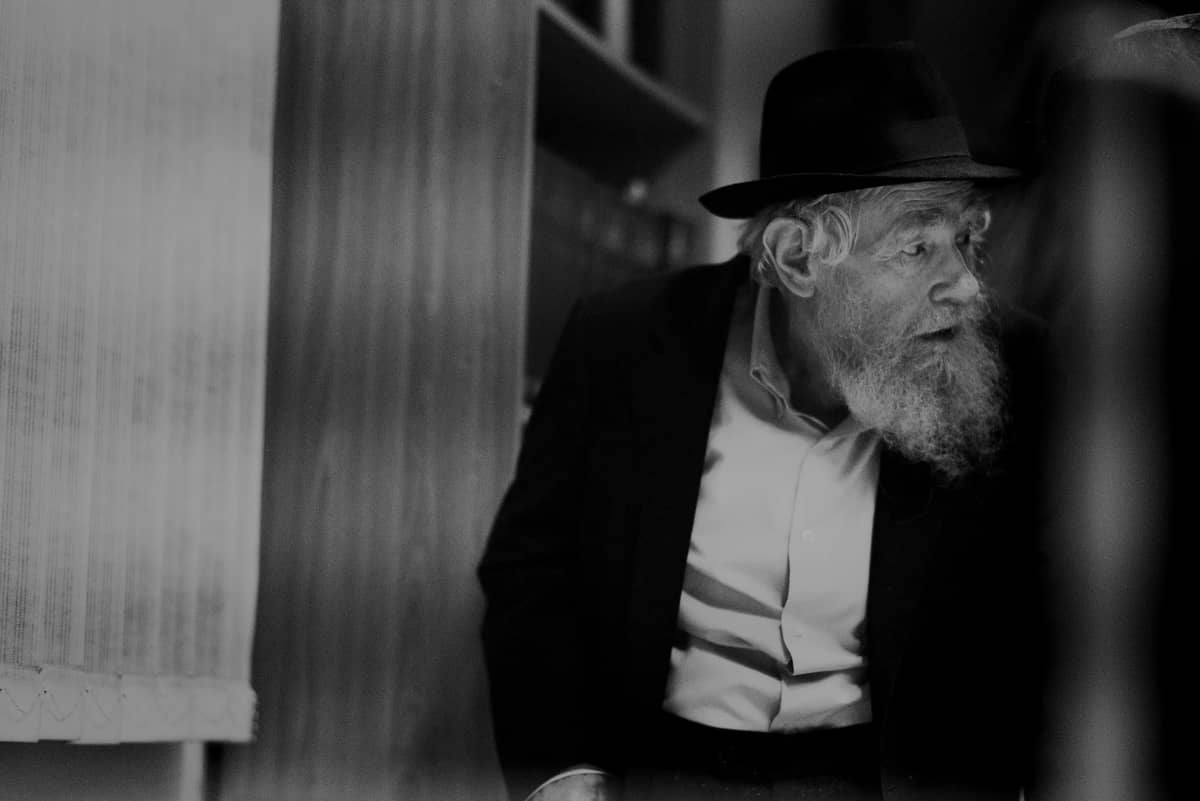
https://www.jns.org/one-of-judaisms-great-commentators-rabbi-adin-steinsaltz-dies-at-age-83/
Rabbi Adin Steinsaltz devoted nearly five decades to making Jewish learning accessible worldwide through his groundbreaking Talmud translation and commentary. His 63-volume Steinsaltz Talmud became a global cornerstone of Jewish education. Time Magazine once described him as a “once-in-a-millennium scholar.” He died in 2020.
AMOS OZ (1998)
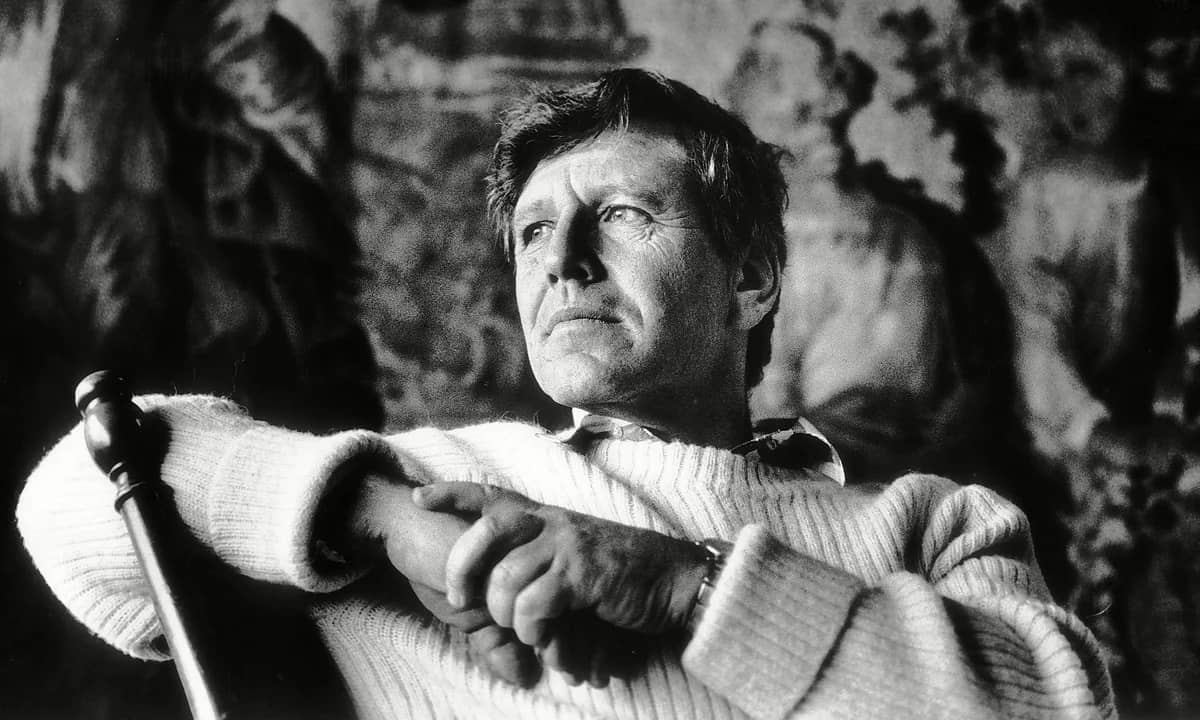
https://www.theguardian.com/books/2018/dec/28/amos-oz-israel-novelist-prophet-never-lost-hope
Internationally acclaimed writer Amos Oz became the literary conscience of Israel. With more than 40 books translated into 45 languages, he shaped global and domestic conversations about Israeli identity, politics, and peace. A leading advocate of a two-state solution, he blended literature and activism until his death in 2018.
SHULAMIT ALONI (2001)
https://www.shulamit-aloni-prize.org/about-shulamit-aloni-en
Human rights champion Shulamit Aloni dedicated her political life to civil liberties, women’s rights, and religious reform. Founder of the Ratz party and later a leader of Meretz, she was one of the strongest liberal voices in Israeli politics. She died in 2014.
EPHRAIM KISHON (2002)
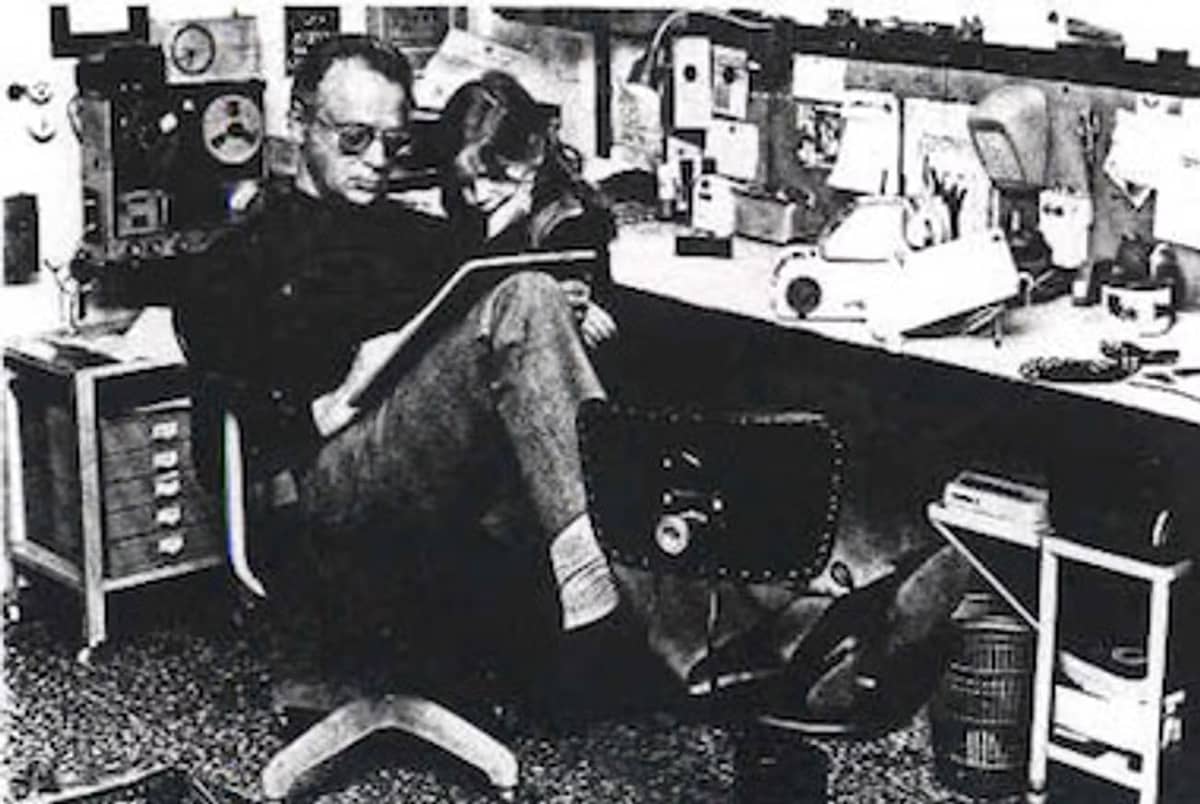
https://www.tabletmag.com/sections/news/articles/ephraim-kishons-jewish-poker
Holocaust survivor turned cultural satirist Ephraim Kishon became one of Israel’s most beloved humorists. Writing in Hebrew after arriving in Israel as a refugee, he used satire to portray the immigrant experience and everyday Israeli life. His work earned international acclaim, Golden Globes, and Oscar nominations. He died in 2005.
ZVI LARON (2009)
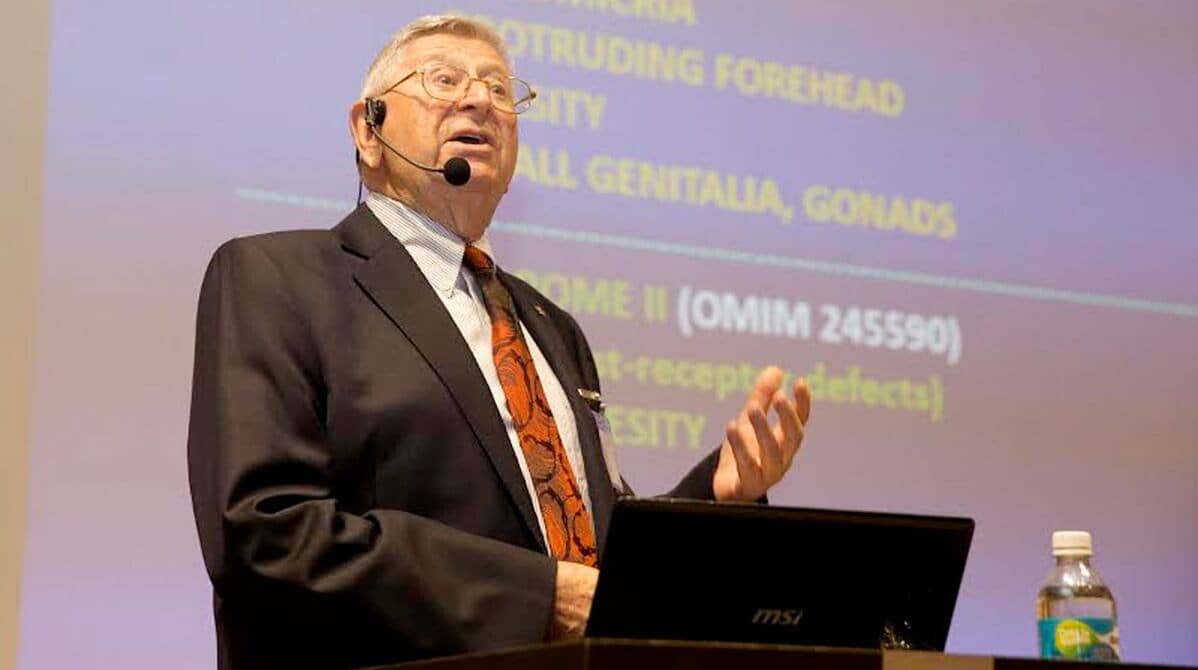
https://www.eluniverso.com/vida-estilo/2015/03/24/nota/4684471/charla-descubridor-sindrome-enanismo/
A Holocaust survivor turned medical pioneer, Prof. Zvi Laron transformed pediatric endocrinology. He discovered and defined “Laron Syndrome” and established key children’s health institutions in Israel. His work has shaped medical practice worldwide.
AHARON MAMAN (2019)
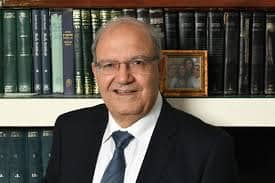
https://friendsoftheacademyofthehebrewlanguage.org/who-we-are/
Linguist and scholar Aharon Maman dedicated his life to preserving Sephardi and Mizrahi heritage, ensuring Judeo-Arabic language and culture remain part of Israel’s national identity. His academic work strengthened recognition of Middle Eastern Jewish communities in Israeli history.