
Rizal’s unfinished business
For all the discomfort she caused, Josephine Bracken did Rizal an unexpected service. She ruined the monument, and she gave him jagged edges.

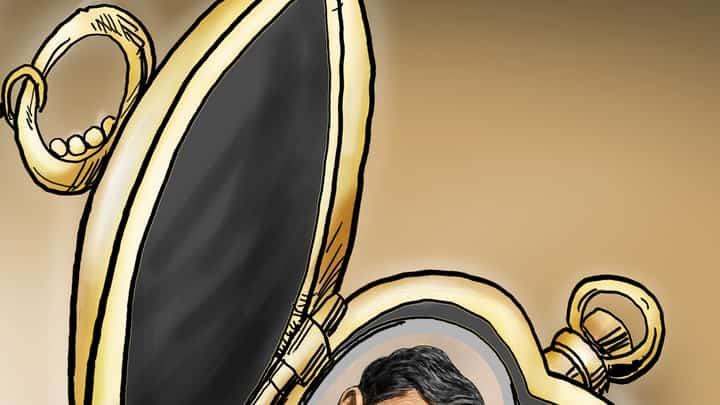
They shot Jose Rizal in the early morning, exactly 129 years ago today, the way empires prefer executions — quietly, efficiently, with paperwork already in order. What came after was louder.
A woman stepped forward and said she was his wife. She said a priest had married them hours before the rifles were raised. She said love had been legalized at the last possible moment.
That woman was Josephine Bracken.
There’s also the story, endlessly repeated, that she walked to Cavite after the execution, grief measured in miles. Maybe she did. Maybe she did not.
The tale survives because it fits what we want grief to look like, a woman moving through heat and dust, loyalty proven by exhaustion. But sentiment fades quickly. Once the smoke cleared, Josephine Bracken stopped being a symbol and became a claimant.
Rizal was no hacendero as his family merely rented friar lands. Still, he had assets, income from his Dapitan practice, personal effects, the remains of a life lived under restriction. What she asked for was recognition backed by law.
What she met was the family.
At the center of it stood Teodora Alonzo, a woman already hardened by exile, humiliation and the death of her son. She did not accept Josephine’s claim. No Church marriage that could be proved. No document that satisfied the rules that mattered. Rizal’s will named his family, and that settled it.
Historian Ambeth Ocampo has noted how unsentimental the episode really was. Strip away the legend and you are left with a procedural fight that Josephine was always going to lose. Colonial law under the Americans favored blood and paper. She had neither.
Austin Coates was even kinder. Josephine was not fighting for wealth, there was little of it, but for acknowledgment. Losing the property fight meant losing the last official proof that she had mattered. She lost everything that counted on paper. The family kept the effects. The nation kept the hero.
Josephine kept the doubt, fueled by her own stepfather telling a newspaper she was a liar.
That doubt proved contagious. If she was not a wife, then what was she? This was where the whispers started. Spy for the Church. Temptress. Prostitute. None of these accusations came with evidence. No files and no money trail. No testimony that has survived historical scrutiny.
They exist because Josephine existed in the wrong way — young, a foreigner, poor, living with a man outside the Church, asking for recognition after he was dead.
And yet, for all the discomfort she caused, Josephine Bracken did Rizal an unexpected service. She ruined the monument, and she gave him jagged edges.
A hero without complications is easy to venerate and easy to forget. A man who leaves behind a disputed marriage, an angry mother, a rejected partner and a will that solves nothing looks more like a human being.
Alive, Rizal fought an empire. Dead, he left an unfinished business.
Josephine Bracken a saint or sinner? Whatever. Her presence in history had refused to let Jose Rizal harden into marble. She reminded us that behind the martyr was a man who loved imperfectly, planned incompletely and died leaving claims unsettled.
That disorder is not a flaw in his story. It is proof that Rizal lived life like any other man.