
Bulgaria adopts euro
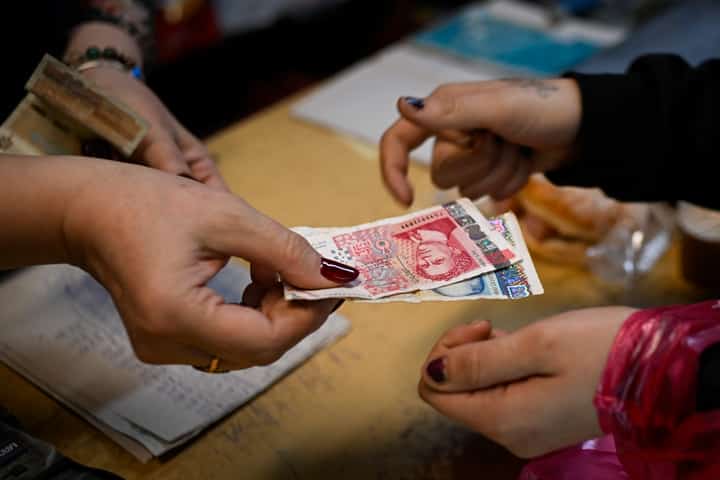
A GROCERY store owner returns lev banknotes to a customer in a grocery store in the village of Chuprene, northwestern Bulgaria on 7 December 2025.
NIKOLAY DOYCHINOV/AGENCE FRANCE-PRESSE
SOFIA (AFP) — Bulgaria will become the 21st country to adopt the euro on Thursday, but some believe the move could bring higher prices and add to instability in the European Union’s poorest country.
A protest campaign emerged this year to “keep the Bulgarian lev,” playing on public fears of price rises and a generally negative view of the euro among much of the population.
But successive governments have pushed to join the eurozone and supporters insist it will boost the economy, reinforce ties to the West and protect against Russia’s influence.
The single currency first rolled out in 12 countries on 1 January 2002, and has since regularly extended its influence, with Croatia the last country to join in 2023.
But Bulgaria faces unique challenges, including anti-corruption protests that recently swept a conservative-led government from office, leaving the country on the verge of its eighth election in five years.
Boryana Dimitrova of the Alpha Research polling institute, which has tracked public opinion on the euro for a year, told Agence France-Presse (AFP) any problems with euro adoption would be seized on by anti-European Union (EU) politicians.
Any issues will become “part of the political campaign, which creates a basis for rhetoric directed against the EU,” she said.
While far-right and pro-Russia parties have been behind several anti-euro protests, many people, especially in poor rural areas, worry about the new currency.
“Prices will go up. That’s what friends of mine who live in Western Europe told me,” Bilyana Nikolova, 53, who runs a grocery store in the village of Chuprene in northwestern Bulgaria, told AFP.