




Islands slowly swallowed by sea
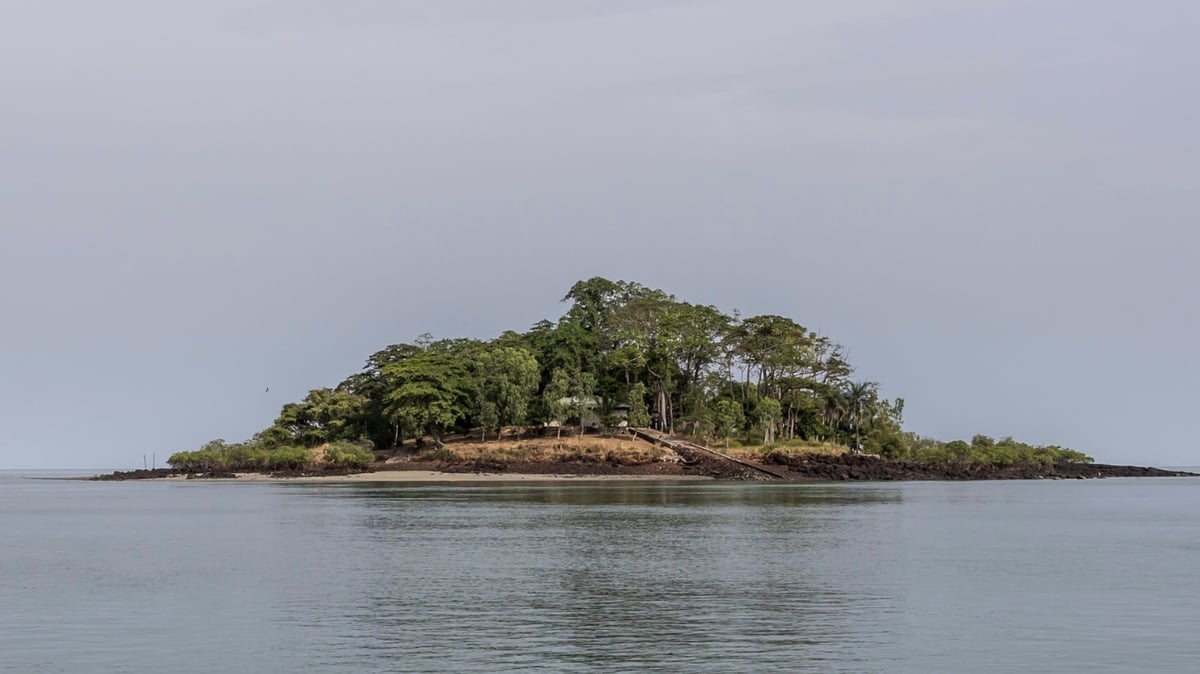
GUINEA-BISSAU (AFP) — Turquoise waves splash against the white sand beaches of the Bijagos archipelago, where locals fear rising sea levels will swallow their islands whole.
Off the Atlantic coast of tropical Guinea-Bissau, the UNESCO World Heritage Site is home to colonies of sea turtles, hippos, sharks, manatees, and nearly 850,000 migratory birds.
The archipelago hosts several sacred sites as well as artisanal fisheries relied upon by some 25,000 inhabitants.
Made up of 88 islands and islets — of which only about 20 are permanently inhabited — the archipelago stretches more than 10,000 square kilometers.
“Every year, we lose up to 2 meters of the beach,” said Antonio Honoria Joao, administrative assistant and community organizer at Guinea-Bissau’s Institute for Biodiversity and Protected Marine Areas.
He was in Bubaque, one of the archipelago’s most populated islands with nearly 5,000 inhabitants. Joao told Agence France-Presse the island was “in danger.”
“Fifty years ago, the beach was very wide,” he said, strolling along the sliver of remaining shoreline littered with wrecked canoes and collapsed sections of wall.
“Today, everything is overrun by water, and it keeps advancing.”
“When I bought this land, it was five or six meters from the sea. But the distance has shrunk,” local Adriano Carlos Souarez said, adding he was scared to one day see his house collapse.
