
Emily Brontë’s dark genius still haunts readers 177 years later


THE Gothic spirit of Wuthering Heights returns to the screen in Emerald Fennell’s 2026 adaptation of the Brontë novel, starring Margot Robbie and Jacob Elordi.
Photo from IMDB.
On 13 February 2026, the moors of Yorkshire will rise again in Emerald Fennell's new film adaptation of Wuthering Heights, starring Margot Robbie and Jacob Elordi. Emily Brontë’s only novel, published in 1847 under the pen name Ellis Bell, has endured for nearly two centuries. Its stormy landscapes and even stormier passions still resonate with readers and viewers alike.
Brontë’s life was as stark and atmospheric as her writing. Born on 30 July 1818 in Thornton, Yorkshire, she was the fifth of six children, though only four survived to adulthood. The death of her mother when she was three left Emily and her siblings in the care of their stern yet supportive aunt, Elizabeth Branwell. A childhood marked by fragility and loss echoed into Emily's imagination and literary creations.

Detail of Emily Brontë, from a painting by her brother, Branwell, c. 1834.
Painting by Branwell Brontë via Wikimedia Commons.
The Brontë children grew up educated, even the daughters. But this education came at a cost. Despite their father's support for a comprehensive education, Patrick Brontë was cold and emotionally distant, prone to violent moods. Emily, along with her sisters Charlotte and Anne, endured privation and illness at the Clergy Daughters' School at Cowan Bridge. The girls faced poor and insufficient food, harsh discipline, unsanitary conditions, and frequent disease outbreaks. These early hardships, coupled with the harsh Yorkshire environment, shaped Emily's sensibilities. Her world was fragile, harsh, and unforgiving, full of loss and mortality. Yet within this constrained life, she and her sisters found solace in each other, inventing the imaginary worlds of Glass Town, Angria, and Gondal — lands of adventure, heroism, and forbidden passions. In their literary imaginations, the sisters rose above the shadow of disease, poverty, and grief. Charlotte Brontë would later become known for Jane Eyre, Anne Brontë for The Tenant of Wildfell Hall, and Emily for Wuthering Heights.

Cowan Bridge School, now known as "The Brontë School."
Photo by Basher Eyre via Wikimedia Commons.
Emily's temperament reflected the intensity of her childhood experiences. She was solitary, strong-willed, and fiercely independent, shunning society for the quiet company of nature, animals, and her siblings. She distrusted doctors and refused medical care even as her health worsened. She was also known for excessive fasting, which contemporary scholars theorize could have been anorexia, perhaps stemming from her early experiences of scarcity. She contracted a cold at her brother Branwell's funeral, which developed into lung inflammation, possibly tuberculosis. She died on 19 December 1848 at age 30, with her final moments witnessed only by her family and her beloved dog, Keeper. Her coffin measured only 16 inches wide, a stark physical reminder of a body diminished by disease and hardship. Yet her literary legacy speaks louder, of a spirit unbroken.
Wuthering Heights is passionate, untamed, and haunting, mixing romance with dark, supernatural, and psychological elements. Catherine Earnshaw and Heathcliff are unflinching in their desires and cruelty. They are morally ambiguous, yet unforgettable. Emily Brontë initially published the novel under the ambiguous pen name Ellis Bell. Her real name did not appear until after her death, in 1850, and many were shocked that a woman had written it. Critics initially recoiled at its raw intensity, but it has survived as a classic nearly two hundred years later, timeless in its ability to stir emotion, imagination, and confront the darker sides of love and humanity. It also addresses classism, racism, and revenge, themes that were groundbreaking at the time and still relevant today. Like the ghost of Catherine Earnshaw haunting Heathcliff, Emily's presence in the 21st century lingers in every line of the book and now in the upcoming film adaptation. She haunts readers and viewers, but she is not unwelcome. Her vision comforts as much as it unsettles.
Perhaps it is this very darkness that draws people to her work. Through Wuthering Heights, readers can find recognition even in the harsh manifestations of authentic human emotion, and beauty in the landscapes of grief, intimacy, and truth. Emily Brontë, like Heathcliff and Catherine, is a presence that will not fade — a reminder that even in despair there can be brilliance, and that being seen, even in one’s shadows, is a rare and powerful gift.
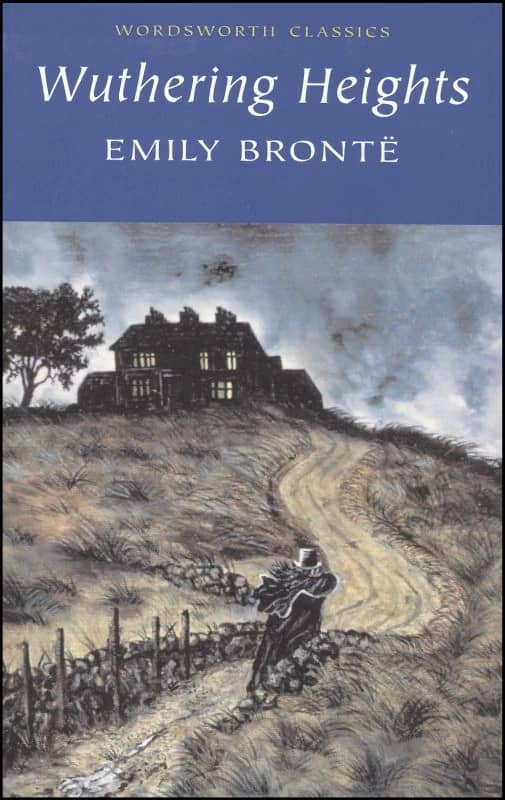
Wuthering Heights book cover by Wordsworth Classics.
Photo by Wordsworth Classics.
In 2026, audiences will once again confront Emily Brontë’s tempestuous moors, uncompromising characters, and the genius of a writer who, in life and death, defied expectations. The moors await.
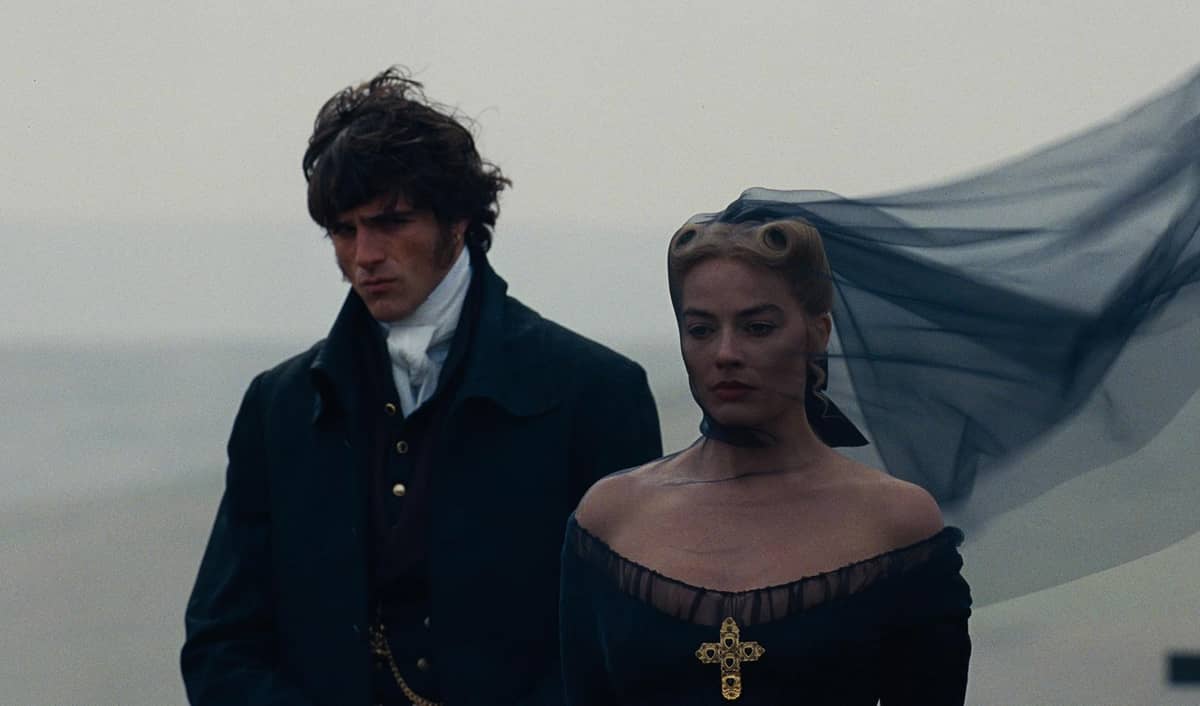
Wuthering Heights 2026 starring Jacob Elordi and Margot Robbie.
Photo from IMDB.