
Things I miss about Filipino architecture while living overseas
This interior space in the bahay na bato is a receiving room on the second floor, generally reserved for hosting people with whom we have a close, intimate relationship.


As a Filipino, I love hosting gatherings at my home; however, it is difficult to do so in a tiny 55-square-meter apartment. Now that I have finally lived in my own unit for about three years, I still cannot help but reminisce about some of the idiosyncrasies of Filipino architecture from my childhood that I wish I could apply to my home here in New York City. Below are three of those elements, but take note: this piece is meant to be taken very tongue-in-cheek.
The biggest hurdle I have when hosting parties is figuring out what to do with the dishes after cooking. After all, one of the most distinctive features of Filipino homes is the dirty kitchen. We usually do all the prepping and cooking in the dirty kitchen, which is tucked away from guests’ view, thereby leaving our main “show-off” kitchen spotless for our guests to marvel at. Because of this, hosting elaborate dinner parties at our homes has become a social game spanning generations. It even transcends Filipino homes of varying income levels. The fact that this spans generations should not be a surprise, as our vernacular bahay na bato typically has the kitchen, or cocina, built separately from the main house.
Hosting dinner parties in my tiny kitchen is a constant struggle with all the pots and pans I end up using. At times like these, I do miss the luxury of a dirty kitchen, as I find myself having to get creative (which mostly means hiding everything in my oven) to keep my dirty pots and pans out of sight while dinner commences. It is only when guests leave my place that I can finally take them out of my oven to clean. After all, who wants to see a mountain of dirty kitchen gear while they eat?
Filipinos are known to be extremely hospitable. Yet, even though we easily welcome people into our homes and lives, we still manage to delineate spaces for those we consider only family or close friends. As such, this social element manifests in our Filipino architecture in a space we call the caida. This interior space in the bahay na bato is a receiving room on the second floor, generally reserved for hosting people with whom we have a close, intimate relationship. This space is different from the main sala or living room on the ground floor, where we welcome acquaintances.
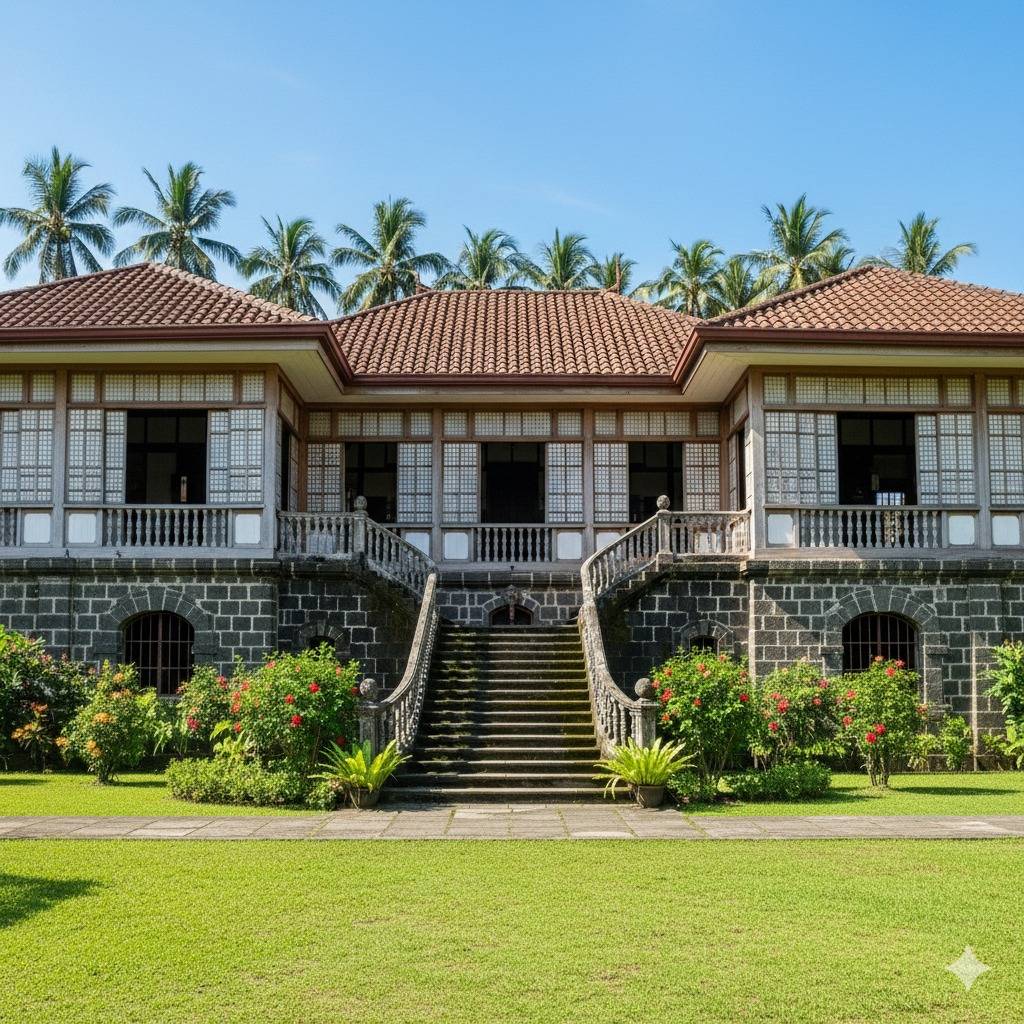
Filipino architecture in a space called the ‘caida. ‘
Now, I cannot carve out my own version of the caida without gut-renovating my whole place, which would be exponentially expensive (it can cost as much as $100,000). It would be nice to have a separate space dedicated to hosting my closest friends, but New York City real estate is tiny, and I am forced to meet up with acquaintances in nearby public parks, cafés, and bars instead of inviting them over.
New York apartments are notoriously divided into two design aesthetics: vintage or extremely modern. I am not a fan of either of these styles, which brings me to my last point: how I miss the building materials commonly found in our tropical climate. I find myself yearning for and seeking out furniture made from bamboo, rattan, and the like.
Once you leave the country, it is easy to forget your roots as you try to assimilate yourself into the culture of whatever city you find yourself moving to. By transforming my home to resemble elements of Filipino architecture, it feels like I never left.