




MMFF landmark films: Stories that shaped Philippine Cinema

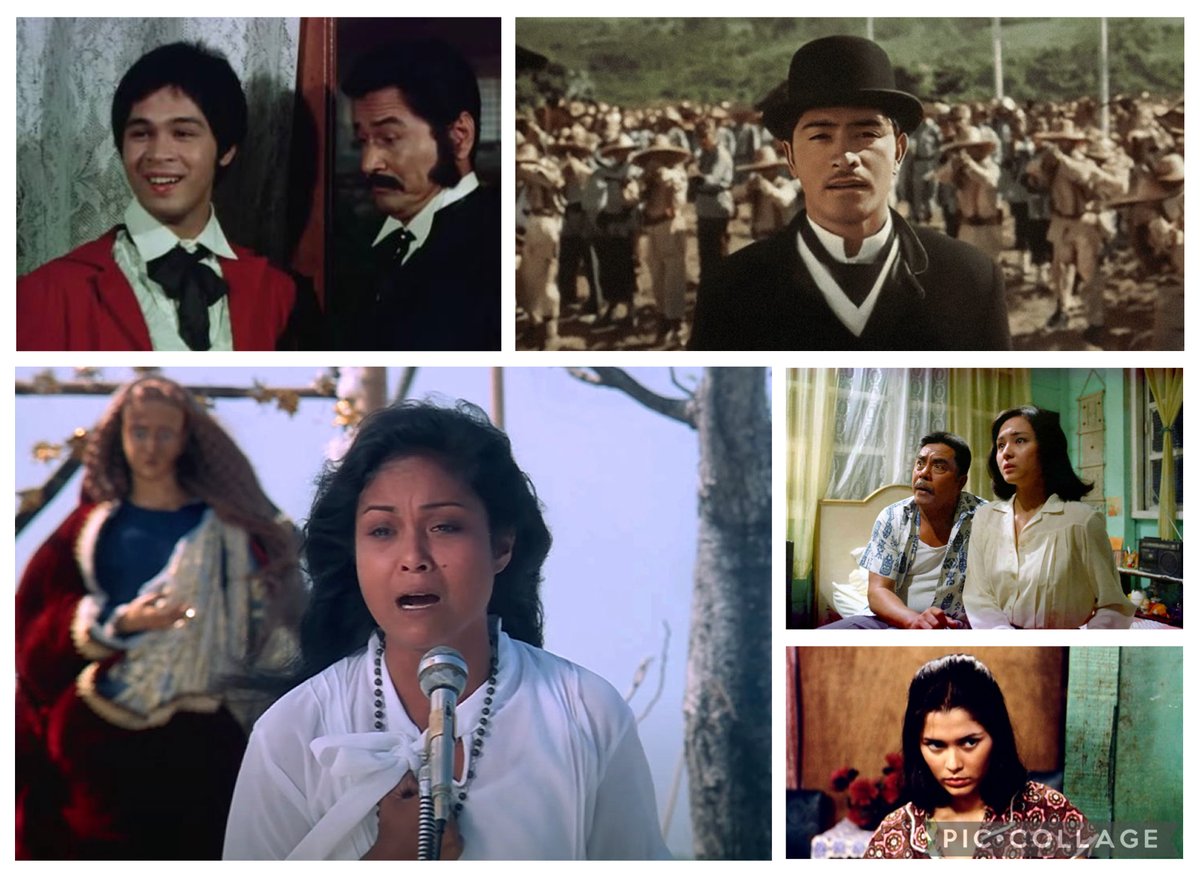
A collage of popular scenes from iconic MMFF movies: Ganito Kami Noon Paano Kayo Ngayon, Jose Rizal, Himala, Kisapmata and Insiang
Mowelfund Archives
Text size
A collage of popular scenes from iconic MMFF movies: Ganito Kami Noon Paano Kayo Ngayon, Jose Rizal, Himala, Kisapmata and Insiang
Mowelfund Archives
For 51 years, the Metro Manila Film Festival has served as a mirror of the Filipino experience, showcasing stories that challenge, provoke, inspire, and entertain. Beyond the yearly holiday spectacle and box-office competition, the MMFF has been the birthplace and home of films that would later be regarded as landmarks of Philippine cinema—works whose influence extends far beyond their December screenings and into the cultural consciousness of the nation.
Among the most enduring of these is Himala (1982), directed by Ishmael Bernal and brought to life by a career-defining performance from Nora Aunor. Set in a parched, desperate village, the film interrogates faith, fanaticism, and collective belief through the story of a young woman who claims to have seen the Virgin Mary. Its stark imagery and haunting conclusion transformed it into a cinematic touchstone, often cited as one of the greatest Filipino films ever made.
Earlier MMFF editions also gave rise to Ganito Kami Noon, Paano Kayo Ngayon? (1976), Eddie Romero’s sweeping historical narrative about identity and nationhood. Following an idealistic indio navigating the transition from Spanish to American rule, the film asked difficult questions about what it meant to be Filipino at a time of cultural upheaval. Its relevance has only deepened with time, as each generation continues to grapple with the same questions of belonging and self-definition.
That same year, Lino Brocka’s Insiang (1976) arrived as a raw, unflinching portrait of urban poverty and female rage. Set in the slums of Tondo, the film confronted audiences with themes of abuse, betrayal, and vengeance, challenging moral comfort zones. Its international significance was cemented when it became the first Filipino film screened at the Cannes Film Festival, placing Philippine cinema firmly on the global map.
Psychological terror found its landmark moment in Kisapmata (1981), Mike de Leon’s chilling exploration of domestic control and obsession. Inspired by real-life crime, the film unfolded a claustrophobic nightmare within the confines of a family home. Its technical precision and disturbing restraint earned it the MMFF Best Film award and a coveted slot at Cannes’ Directors’ Fortnight, solidifying its reputation as one of the most unsettling works in local cinema.
Historical storytelling reached epic scale with José Rizal (1998), directed by Marilou Diaz-Abaya. Anchored by Cesar Montano’s transformative performance, the film reintroduced the national hero as a complex, flesh-and-blood figure rather than a distant monument. Its sweeping success at the MMFF—where it won a record 17 awards—underscored both its artistic achievement and its cultural importance.
Diaz-Abaya followed this with another powerful MMFF entry, Muro-Ami (1999), which exposed the brutal realities of illegal fishing practices that exploited child labor. Gritty, visually striking, and socially urgent, the film combined advocacy with cinematic scale, earning 13 MMFF awards and sparking broader conversations about environmental destruction and human cost.
The political became personal in Dekada ’70 (2002), directed by Chito S. Roño and adapted from Lualhati Bautista’s novel. Framed through the eyes of a mother, the film chronicled how the Marcos dictatorship reshaped family life, activism, and womanhood. Its emotional intimacy made the era’s oppression painfully tangible, ensuring its place as one of the most important political films to emerge from the festival.
While artistic merit defined many MMFF landmarks, commercial success also reshaped the festival’s legacy. Tanging Yaman (2000) proved that emotionally rich, family-centered storytelling could resonate deeply with mass audiences, setting a template for films that balanced heart and box-office appeal. Years later, Manila Kingpin: The Asiong Salonga Story (2011) broke stylistic conventions with its black-and-white presentation, earning both critical acclaim and commercial success while winning 12 MMFF awards.
In recent history, Rewind (2023) redefined box-office expectations altogether. Starring Dingdong Dantes and Marian Rivera, the film became the highest-grossing MMFF entry of all time, surpassing ₱924 million. Its success signaled a new era in which emotionally driven mainstream films could achieve unprecedented financial heights without abandoning narrative sincerity.
Taken together, these landmark movies illustrate the MMFF’s evolving role in Philippine cinema. It has been a space where social realism coexists with spectacle, where political commentary finds mass audiences, and where commercial triumphs do not necessarily come at the expense of meaning. Through its most iconic films, the MMFF has not only reflected Filipino life—it has shaped how those stories are told, remembered, and passed on to future generations.
Housing is probably the biggest issue affecting people the world over.
Malacañang on Monday called for a more thorough investigation into the questioned flood control projects in Taguig…
The defense on Monday backed the move by senator-judges to exclude a prosecution witness who testified on the firearms…
