
Holiday surge cut offset by fare adjustment

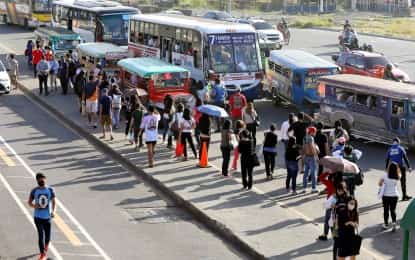
Commuters may benefit from more reliable ride-hailing services this holiday season as transport network vehicle service (TNVS) drivers secure a fare adjustment that ensures they can continue operating despite recent cuts to surge pricing.
The Land Transportation Franchising and Regulatory Board (LTFRB) approved a compensatory adjustment for pick-up fares from 20 December to 4 January following calls from TNVS Community Philippines.
“The LTFRB listened to the call of the TCP. In response to our position regarding the surge cut, the agency will implement a compensatory adjustment to pick-up fares,” TCP spokesperson Lisza Redulla said in a statement on Thursday.
TCP stressed that surge rates should not simply be reduced during the holiday rush, when heavy traffic can extend the duration of each ride.
“During the LTFRB consultation last December regarding surge cuts, our stance was firm: Surge rates cannot simply be reduced—especially during the holiday rush, when heavy traffic lengthens the duration of each booking,” Redulla added.
The adjustment targets to balance drivers’ expenses and ensure uninterrupted service for commuters.
“This is intended to balance TNVS drivers’ expenses and prevent losses amid the reduction of the surge cap, allowing them to continue serving our commuters, particularly during the Christmas season,” Redulla said.
“After the holidays, we will still face the challenges of inflation and rising operational costs in ride-hailing. TCP will remain focused on advocating for fair earnings and professional standards in our industry,” she added.
Under Memorandum Circular 2025-058, the fare will now include the distance from the booking acceptance point to the passenger pick-up, capped at five kilometers.
Charges will vary depending on vehicle type and will be added on top of the standard fare to the destination.
LTFRB Chairperson Atty. Vigor D. Mendoza II explained that the move balances the reduction of surge pricing by 50 percent with fair compensation for drivers.
“We understand the concerns raised by TNVS drivers, and studies show significant travel time and fuel costs in Metro Manila. This is a justified solution to ensure the availability of rides while protecting passengers,” Mendoza said.
The regulator assured that the pick-up fare system also ensures that operators will not take a cut, maximizing driver earnings.