
Baguio museum opens 'Carriers of Tradition' backpack exhibit


BAGUIO City Museum showcases indigenous northern Philippine backpacks in the exhibit "Carriers of Tradition," running 13 December 2025 to 06 January 2026.
Photo by Aldwin Quitasol for Daily Tribune.
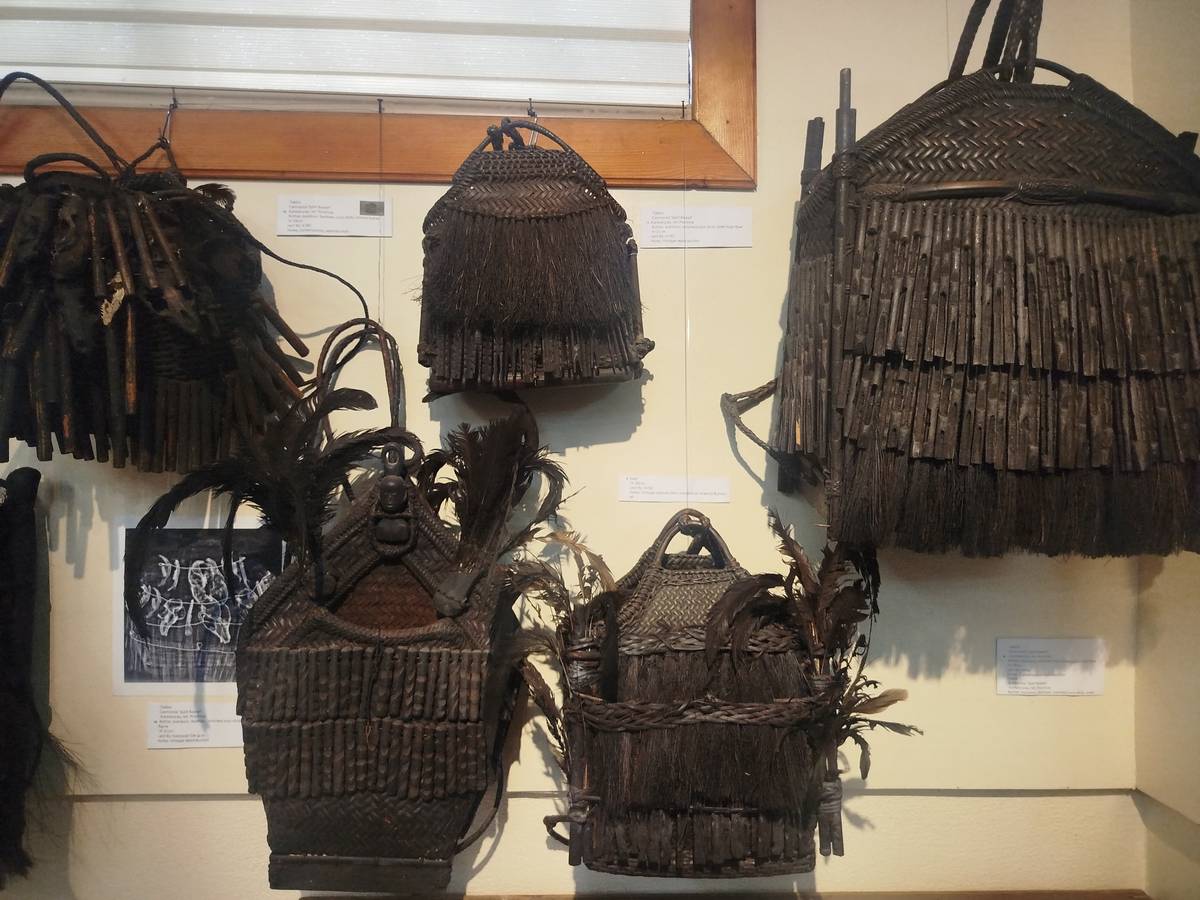
"Takba" of the Mountain Province.
Photo by Aldwin Quitasol for Daily Tribune.
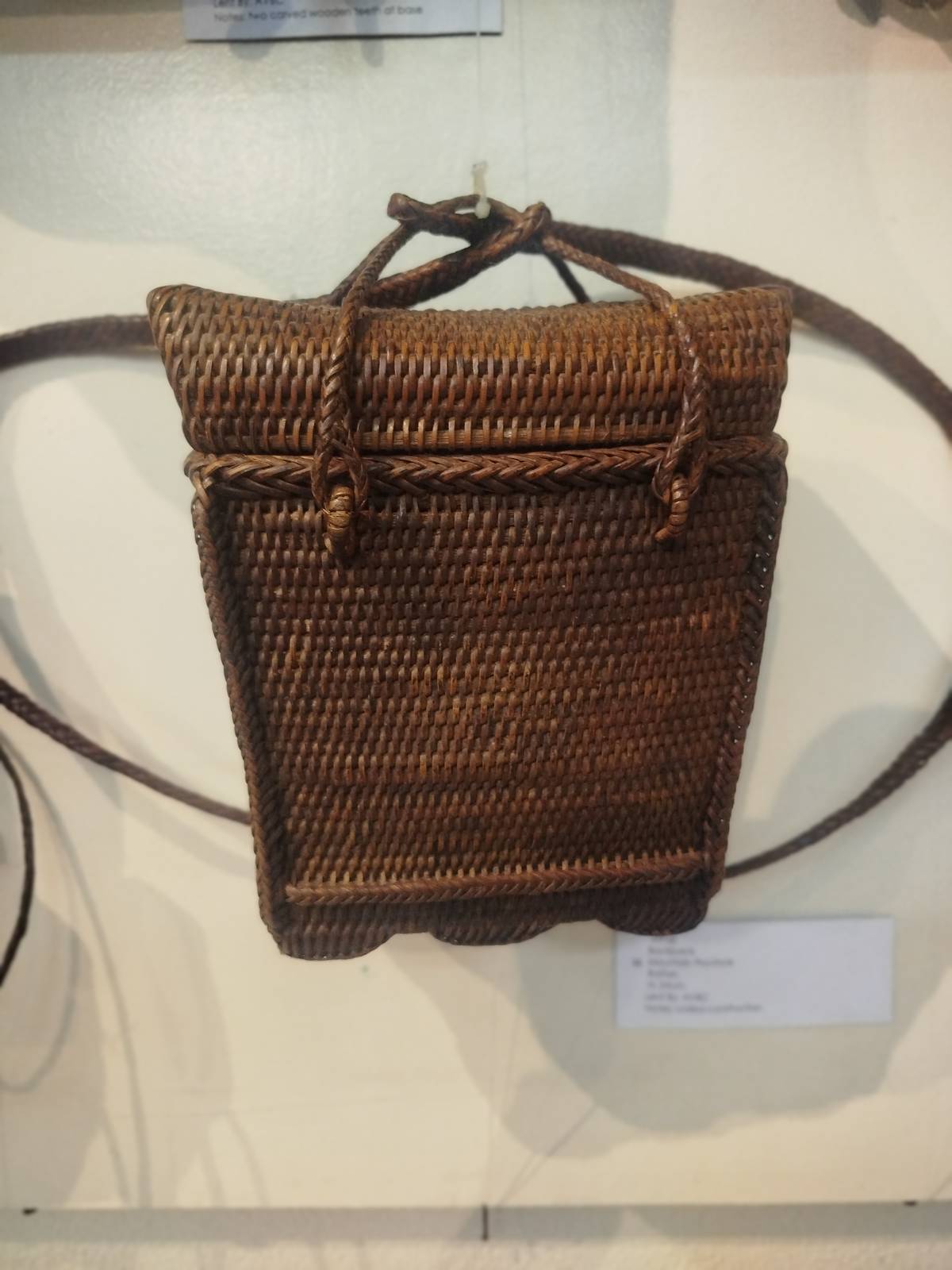
"Sangi" of Mountain Province.
Photo by Aldwin Quitasol for Daily Tribune.
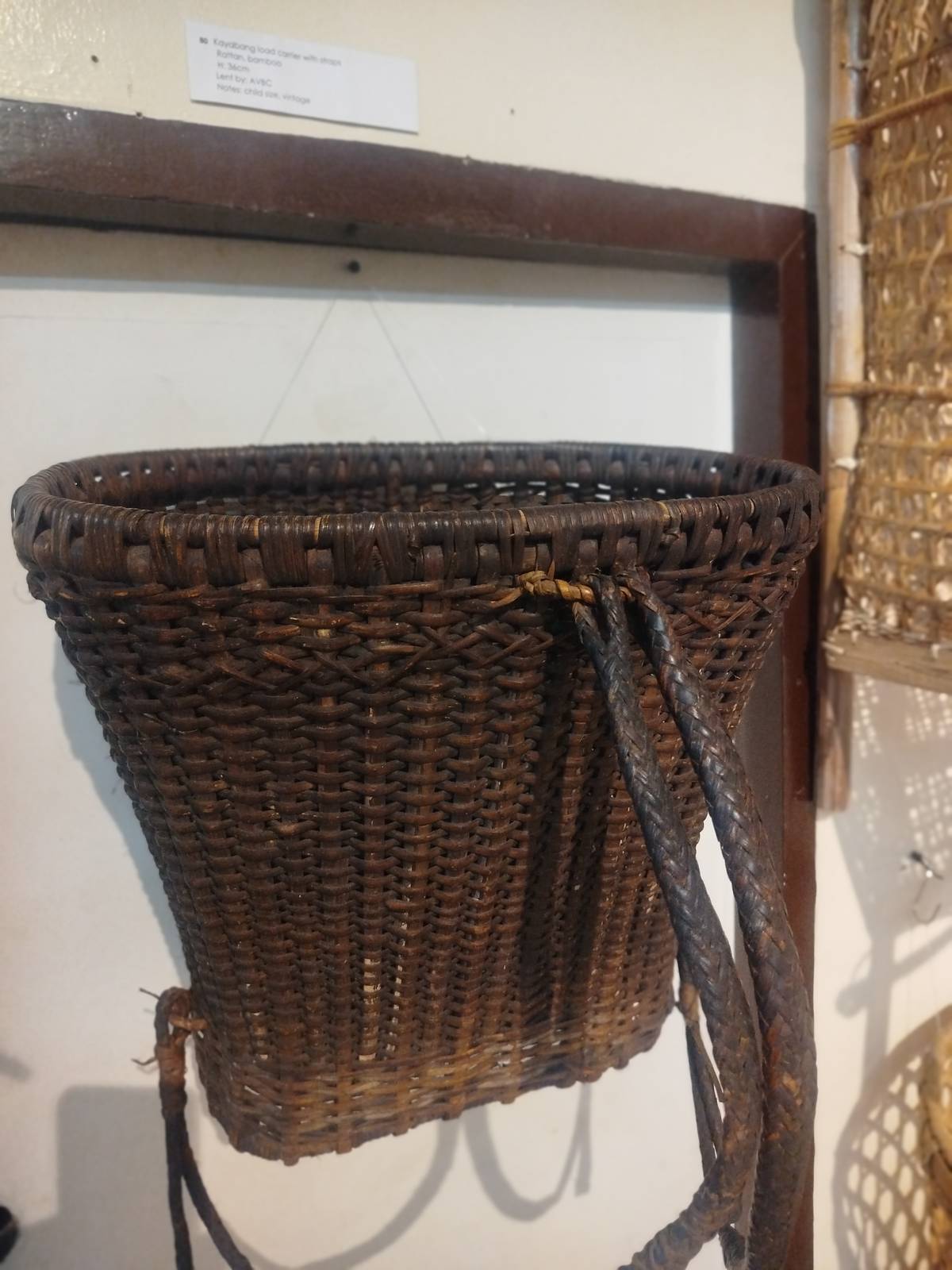
"Kayabang" of Benguet.
Photo by Aldwin Quitasol for Daily Tribune.
BAGUIO CITY — Most indigenous people of North Luzon, especially those in the Cordillera Region, call their version of backpacks "Pasiking," "Takba," "Sangi," or "Hape-eng," among others.
Couple Armand and Voltaire Cating pay tribute to the rich culture and craftsmanship of the people in making traditional backpacks. On the afternoon of 13 December 2025, the exhibit “Carriers of Tradition: Backpacks of the Northern Philippines” formally opened at the Baguio Museum.
The exhibit focuses on the design, function, and cultural value of pasiking, an indigenous backpack made through hand-woven basketry. The display examines both the craftsmanship of the weavers and the everyday use of the backpacks by their wearers.
This is only the second time an assemblage of this specific type of indigenous basketry has been presented in the Philippines. More than 150 rare and atypical pieces are on display, primarily from the collections of Armand and Maricel, with additional contributions from private collectors and enthusiasts. The exhibit also features selected chagi pack frame load carriers.
Armand, or "Rocky," who was born and raised in Baguio City, began collecting pasiking materials in his early twenties. Drawn by their usability and Filipino character, he has gathered books, photographs, and artifacts related to indigenous backpack traditions.
Cordilleran pasiking stands out for its functional design and detailed craftsmanship, with variations reflecting long-standing community use. Some designs show early developments in weatherproofing that date back to the late Spanish period.
The exhibit also addresses the challenges facing traditional basket weaving. Declining interest and limited access to raw materials have threatened the continuation of the craft. While traditional production continues, the exhibit includes newer backpack variations that use contemporary materials and modern sensibilities.
The collection traces the use of pasiking from ritual to daily life, and from antique pieces to contemporary interpretations. Alongside traditional pasikings made with indigenous materials, the exhibit also displays modern versions made with nylon detonating cords and conveyor belts from the mines.
“Carriers of Tradition: Backpacks of the Northern Philippines” is on view at the Baguio City Museum from 13 December 2025 to 6 January 2026. The museum is located at the DOT–TIEZA Complex in front of Baguio City National High School along Governor Pack Road, Baguio City, and is open from 10:00 a.m. to 5:00 p.m., closed on Mondays.
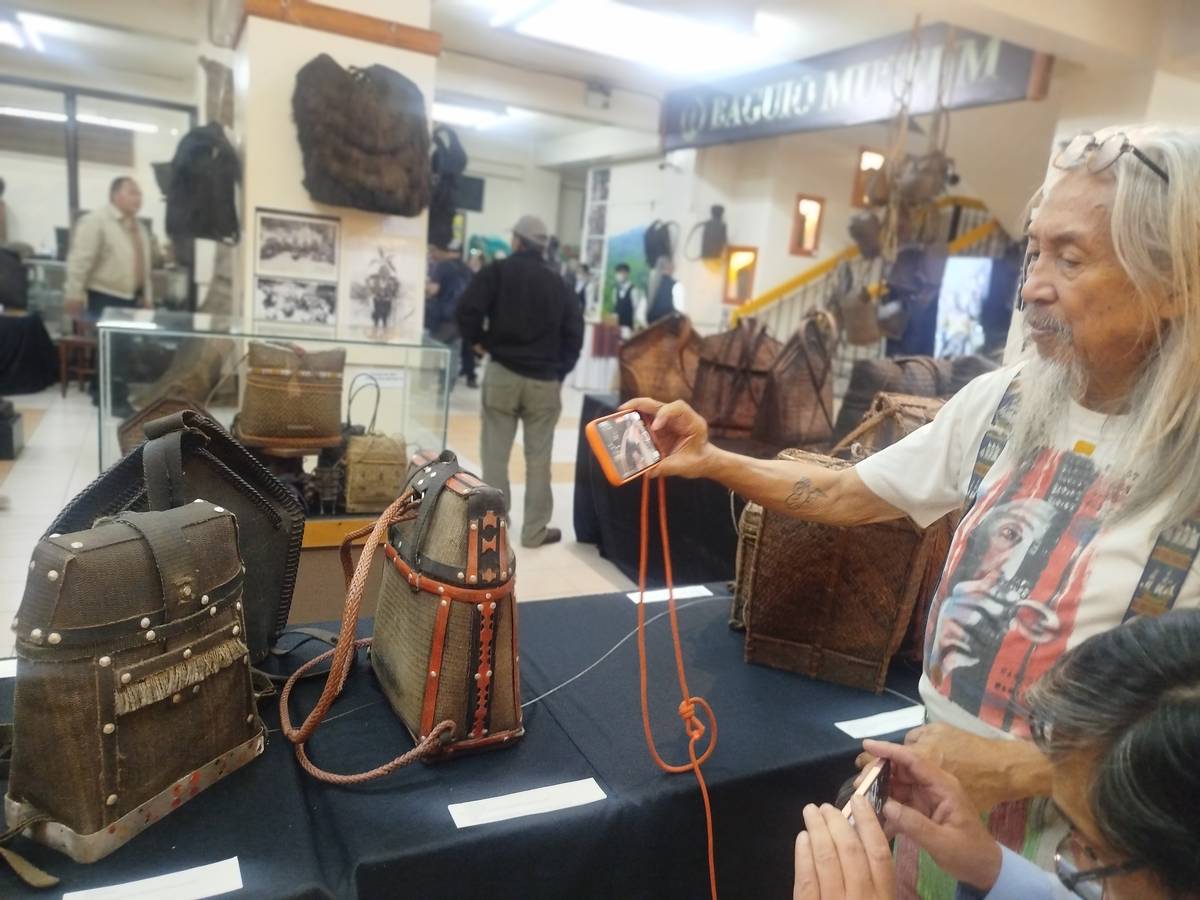
National artist "Kidlat Tahimik" amazed by the "Pasikings" made from conveyor belts from the gold mines.
Photo by Aldwin Quitasol for Daily Tribune.
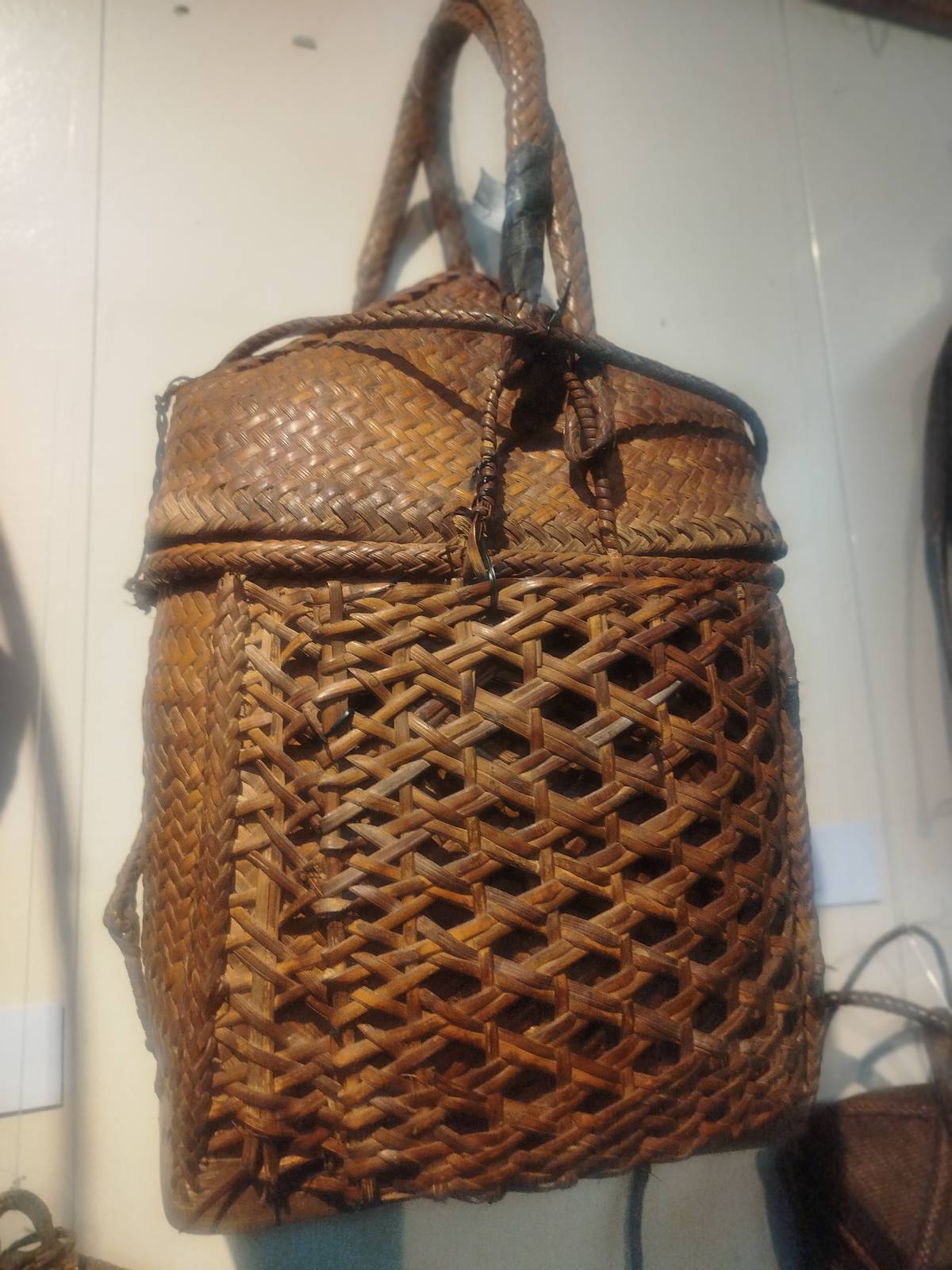
"Pahiking" of the Ifugaos.
Photo by Aldwin Quitasol for Daily Tribune.