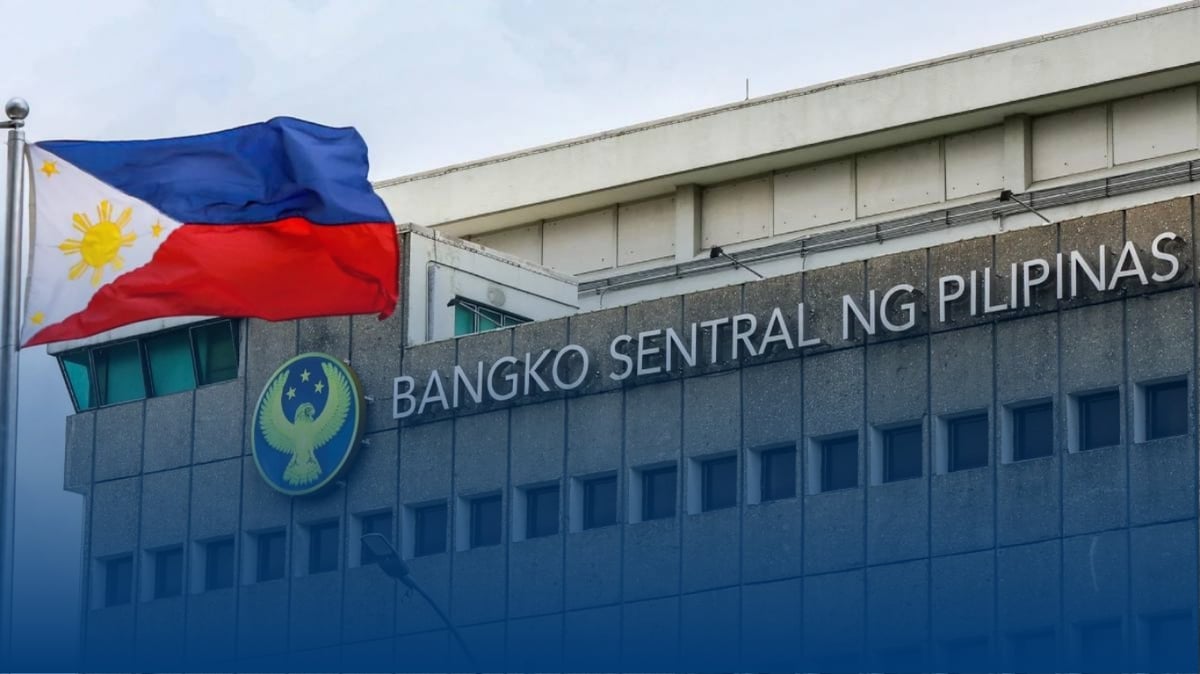
The Bangko Sentral ng Pilipinas’ (BSP) Monetary Board has cut the central bank’s target reverse repurchase (RRP) rate by 25 basis points, citing subdued inflation and weakened infrastructure spending linked to the flood control scandal.
BSP Governor Eli M. Remolona Jr. announced the decision in a Thursday afternoon briefing, noting that the central bank has now reduced its key policy rate eight times since August 2024 — a cumulative 200-basis-point (2 percent) easing from the previous level of 6.5 percent. The RRP rate now stands at 4.5 percent.
Reviving economic activity a bit
“The cut will revive economic activity a bit at a time when painful governance issues around infrastructure investments have weakened government spending, business confidence and domestic demand,” Remolona said.
The RRP is the BSP’s primary monetary policy tool, serving as the benchmark for overnight lending to banks. Adjustments to the rate influence borrowing costs, liquidity conditions, and inflation trends, and are guided by the BSP’s assessment of inflation dynamics, domestic demand, and global economic developments.
Inflation eased to 1.5 percent in November — well below the BSP’s 2 to 4 percent target range — giving the central bank room to support liquidity in the market.
Inflation to remain below target
Remolona said inflation is expected to remain below target in 2025 but should return to within range in 2026 following the BSP’s policy actions.
“The big picture is that the inflation outlook is broadly benign, with expectations well anchored. That means inflation is relatively low, and businesses, households, and economists believe it will stay low or within the BSP’s target,” he said.
Remolona emphasized that the floodgate scandal was a major consideration in the Board’s decision. The controversy stalled public works and dragged third-quarter GDP growth down to 4.0 percent — the slowest since the pandemic — amid a sharp contraction in infrastructure spending.
Sentiment weak due to corruption issues
“Sentiment remains weak due to the corruption issue, as we can gauge from various sentiment indices,” he said, adding that the BSP hopes government infrastructure expenditure will normalize and become “more effective with reduced leakages.”
Remolona stressed that the full effect of monetary policy typically unfolds over one to two years. He also underscored the limits of interest-rate adjustments in the face of governance failures.
“Monetary policy cannot address the corruption scandal directly. But it can compensate for the effects of that — and the effects of that are lower business sentiment and investor confidence,” he said. He noted that lower policy rates, by stimulating borrowing and consumption, may help restore confidence given that the Philippine economy is heavily driven by domestic demand.
Rebound by mid-2026
Last week, Remolona previously stated that the central bank sees an economic rebound by the middle of 2026. He reasserted his belief again today, adding that he sees recovery beginning in the second half of next year.
“I was hoping we would recover in the first half. But we looked at the data and it looks like it’s going to be in the second half,” he said.
Remolona added that the Monetary Board sees the monetary policy easing cycle nearing its end, with any additional easing to be assessed by the central bank depending on domestic and external factors to ensure sustainable and continued growth.