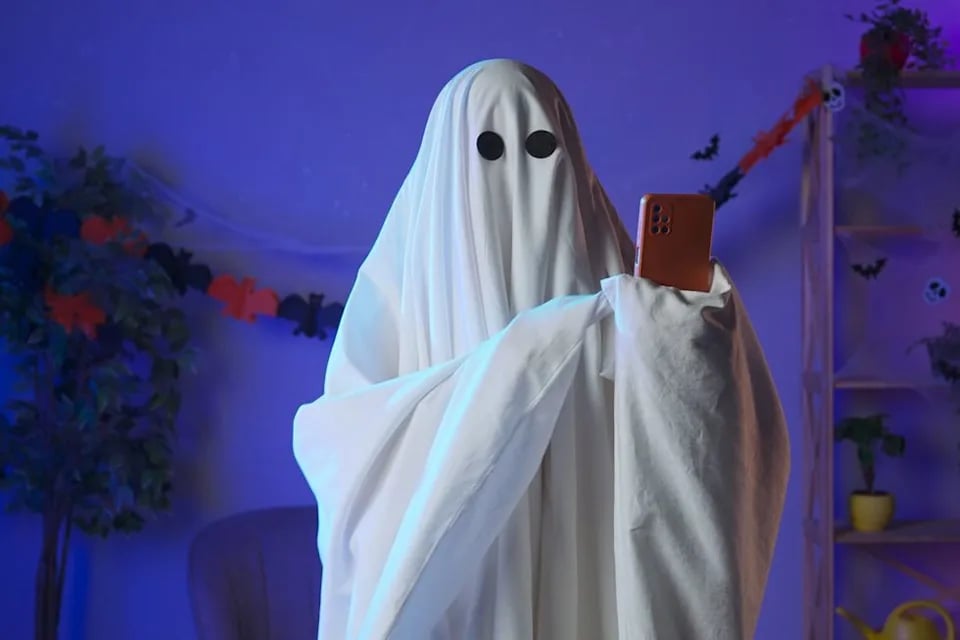
Dating is nothing short of messy, and now, social media wants to stamp a brand on every awkward text or disappearing act. Enter “ghostlighting,” a supposed mix of “ghosting” and “gaslighting,” where someone disappears, comes back, and pretends nothing happened. Experts call it manipulative. Psychologists warn it’s toxic. But let’s pump the brakes, kids. Do we really need a new label for every confusing human interaction?
Kyler Shumway, Psy.D., speaking with health magazine Men’sHealth, defines ghostlighting as when “someone disappears without explanation, and then later tries to rewrite the story to make it seem like you misunderstood what happened.” Sounds dramatic, right? While New York-based matchmaker Anna Morgenstern says the real sign is when “they refuse to take accountability for ghosting you,” flipping the blame onto you instead.
Here’s the problem: not every unreturned text, missed call, or awkward vanishing act deserves a viral headline or another TikTok meme explainer. People are messy, shy, anxious, unconfrontational, or just adults busy trying to make a living. “Most people who ghostlight aren’t setting out to be cruel,” Shumway admits. “Ending things honestly requires vulnerability, and not everyone has those skills.” In other words, human behavior is complicated; labeling it doesn’t make it simpler.
By highlighting trends like “ghostlighting,” we risk turning every minor dating road bump into a full-blown trauma narrative. Social media thrives on categorization, it’s clickbait disguised as self-help.
Confusion, mixed signals, and emotional whiplash are part of dating, not evidence of a new epidemic.
Instead of obsessing over labels, focus on what actually matters: your boundaries, your empathy, and your sense of self. Recognize bad behavior, sure, but don’t let every disappearing act destroy your perspective. The internet may tell you you’ve been ghostlit, but that doesn’t mean your emotions are invalid, or that dating itself is broken.
Dating trends come and go, and nothing spices up a Friday night like dissecting buzzwords like ‘ghostlighting’ over drinks, but they shouldn’t dictate how you navigate real relationships. Confusion is human. Miscommunication happens. People are flawed. And that, inconvenient as it is, is just part of loving and losing in the 21st century.
So yes, ghostlighting might exist, but obsessing over it, labeling it, and turning it into a psychological epidemic? That’s just your Tiktok and Instagram algorithm running the show.