
Beyond tradition: How faith communities celebrate Christmas
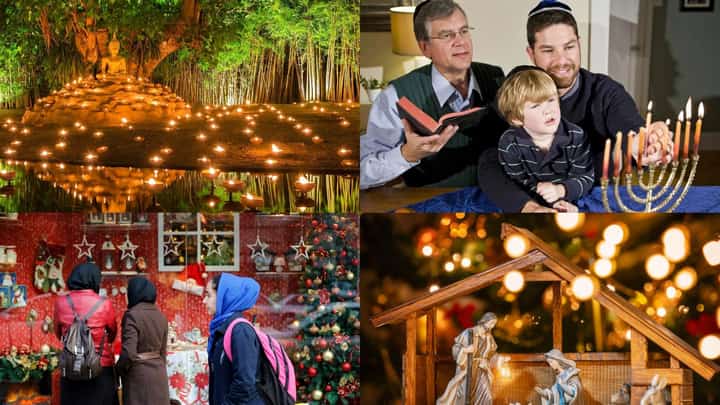
Originally, Christmas was a religious festival celebrating the birth of Jesus Christ — a foundational holiday for Christians worldwide.
Over centuries, many customs — like decorating evergreen trees, exchanging gifts, singing carols, and celebrating with feasts — became part of how Christmas is observed.
In the 20th century and beyond, especially in increasingly pluralistic and global societies, Christmas has also taken on a secular or cultural dimension. Today, many people — including non-Christians — celebrate a “cultural Christmas,” embracing the festive, communal, and family-oriented aspects rather than its religious meaning.
Christianity
https://www.greenvelope.com/blog/religious-christmas-cards
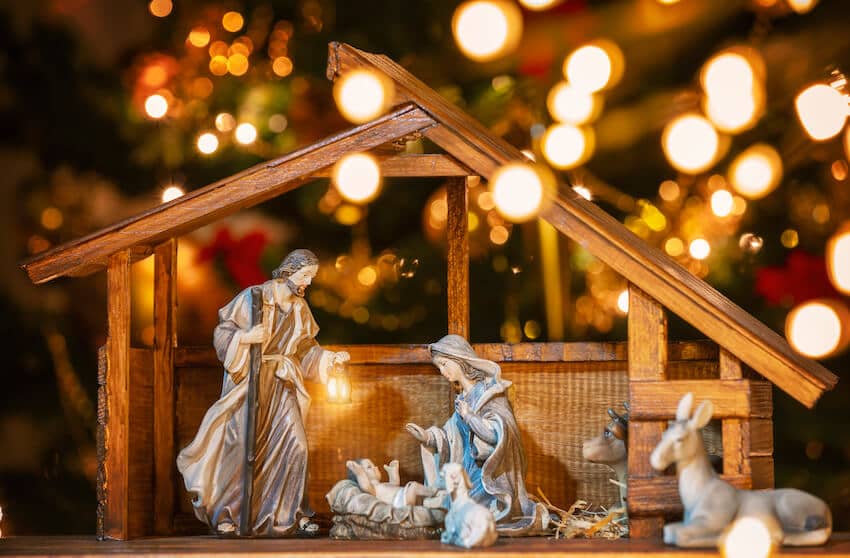
Christians celebrate Christmas as the religious commemoration of the birth of Jesus Christ, marked by traditions such as Midnight Mass, nativity scenes, caroling, feasting, and gift-giving that symbolize Christ’s arrival and the spirit of generosity.
Christianity is the world’s largest religion, with an estimated 2.3–2.4 billion followers globally, and Christmas is widely celebrated in countries with the biggest Christian populations, including the United States, Brazil, Mexico, the Philippines, Nigeria, and the Democratic Republic of the Congo. Despite regional differences in customs, Christmas remains one of the most significant and unifying observances for Christians worldwide.
Islam
https://browngirlmagazine.com/serving-food-gifts-and-spirituality-how-my-muslim-family-celebrates-the-holidays/
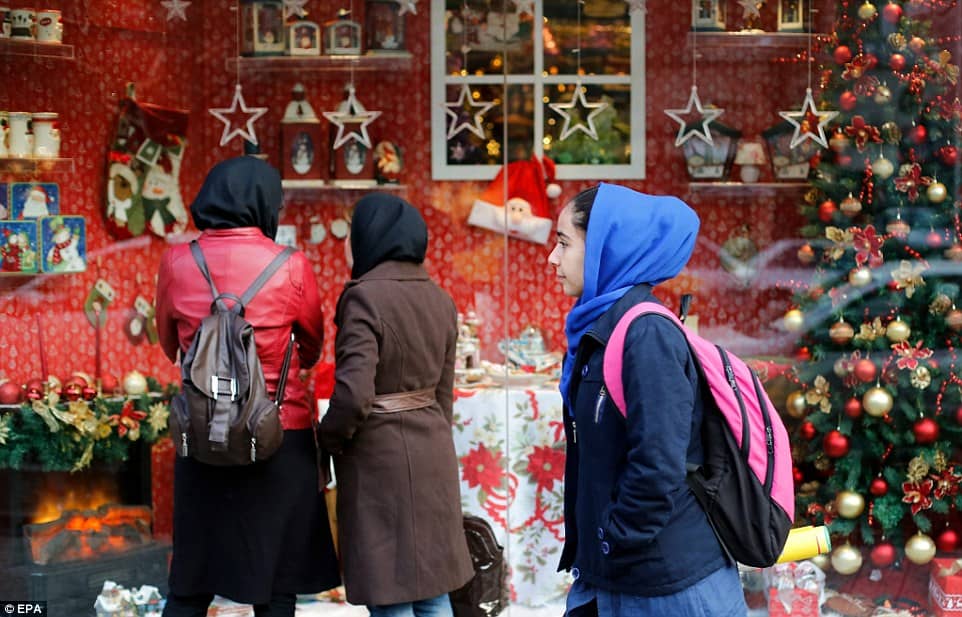
Muslims do not celebrate Christmas religiously because Islam honors Jesus (Isa) as a prophet, not as the divine Son of God whose birth is celebrated in Christian theology.
While Christmas is not recognized as an Islamic holiday, some Muslims may join secular aspects of the season—such as social gatherings, decorations, or gift exchanges—depending on local customs and cultural environments. However, religious practice remains centered on Islamic observances like Ramadan and Eid, rather than holidays tied to Christian beliefs.
Judaism
https://www.britannica.com/story/which-is-correct-hanukkah-or-chanukah
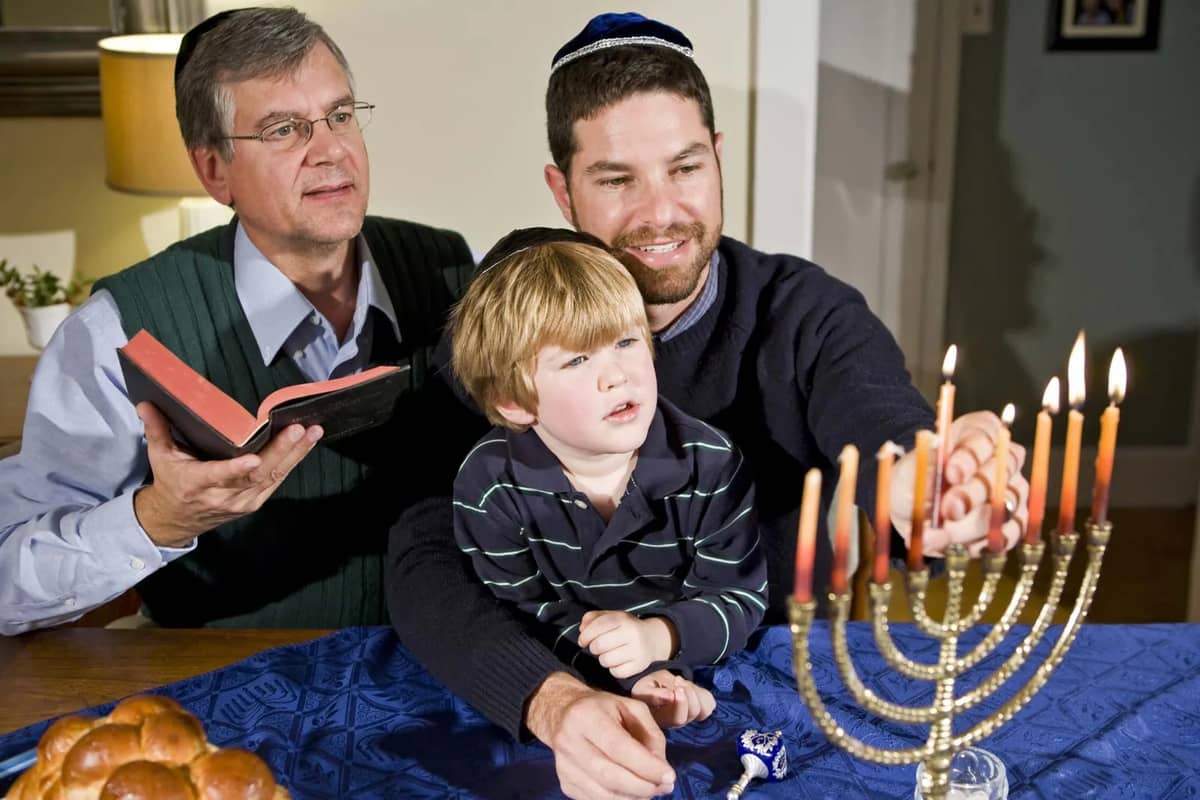
Jewish communities do not celebrate Christmas, as the holiday is rooted in Christian beliefs that Judaism does not share. Instead, Jews observe Hanukkah, the Festival of Lights, which often falls in December and commemorates the rededication of the Second Temple and the miracle of the oil lasting eight days.
While some Jewish families may take part in cultural or social elements of the Christmas season depending on where they live, Hanukkah remains their primary celebration during the winter period, distinct from the theology and traditions of Christmas.
Hinduism
https://www.istockphoto.com/photos/indian-christmas
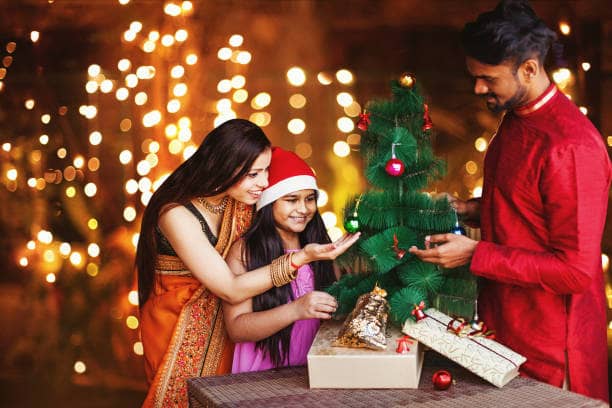
Hindus do not traditionally observe Christmas as a religious celebration, since Jesus is not a central figure in Hindu theology. However, some Hindu families—especially in multicultural or Western settings—may join secular Christmas festivities culturally.
Many Hindus instead mark the season with Pancha Ganapati, a modern five-day festival from December 21–25 dedicated to Lord Ganesha, focused on family harmony, worship, and gift-giving. This celebration offers a distinctly Hindu way to honor the December season without adopting Christian religious practices.
Buddhism
https://nationaltoday.com/bodhi-day/
Buddhists generally do not celebrate Christmas as a religious holiday, as Christmas is tied to Christian beliefs not present in Buddhism. Some Buddhists may embrace Christmas culturally—through social events, decorations, or festive gatherings—especially in countries where it is widely celebrated.
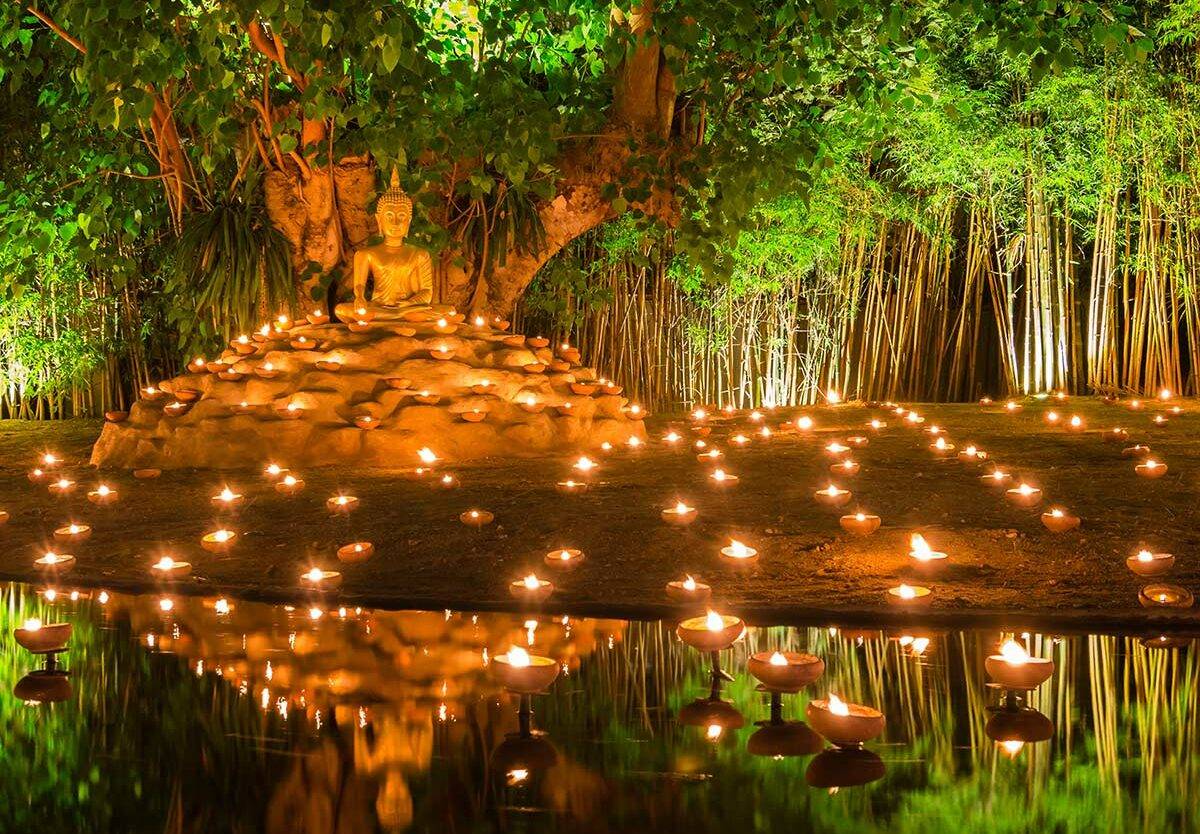
Their key December observance is Bodhi Day on December 8, which commemorates the Buddha’s enlightenment and is honored through meditation, chanting, acts of kindness, and reflection rather than gift-giving or Western Christmas customs.
Paganism / Wicca
https://www.britannica.com/topic/Yule-festival
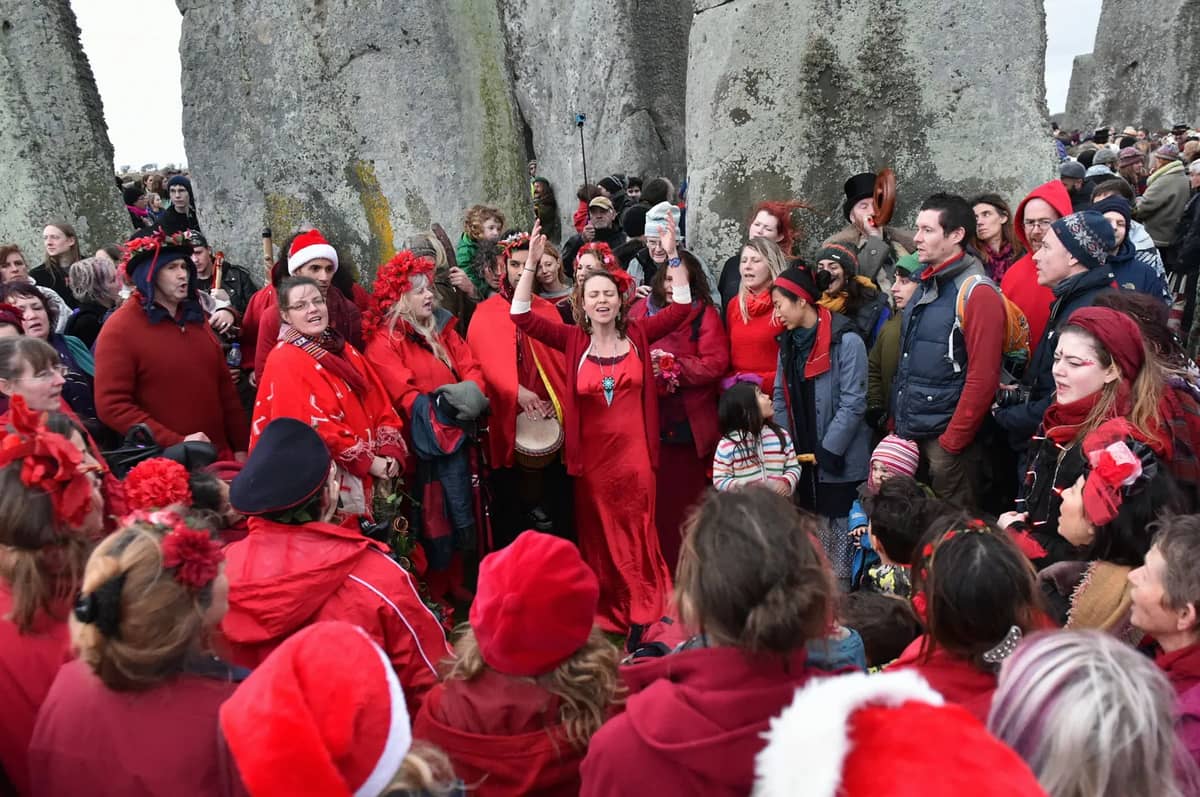
Pagans and Wiccans celebrate Yule, the winter solstice festival that predates Christmas and honors the rebirth of the sun. Yule traditions—such as evergreens, candles, feasting, and the Yule log—historically influenced some Christmas customs, though the two holidays remain spiritually distinct.
For modern Pagans and Wiccans, Yule is a time of nature-based rituals, honoring seasonal cycles, and celebrating warmth, renewal, and the returning light, separate from the Christian celebration of Jesus’s birth.
December and the broader “holiday season” have become a tapestry of traditions — not just for Christians, but for many faiths, cultures, and communities.
While Christmas remains a core religious holiday for Christians, its secular, cultural aspects have allowed it to transcend religious boundaries. Many non-Christians choose to participate in the festive spirit in their own ways — others opt instead for faith-rooted celebrations of their own.
In doing so, the season becomes not a contest of religions but a shared moment of reflection, community, generosity, and warmth.