
‘Tindahan ni Tarsee’: tales of passion and action


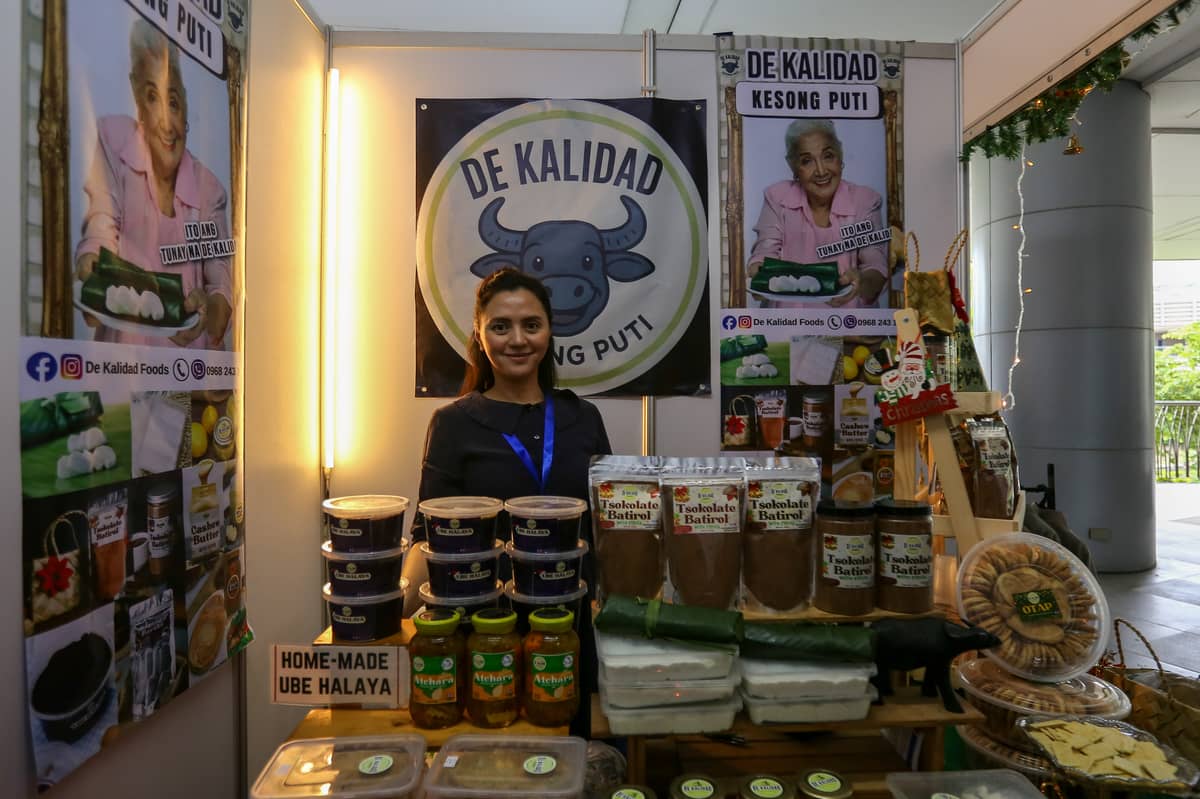
“I only got P3,000 in my wallet. That was my last money,” Robert Baranda of food business De Kalidad recalled one of his relatives as saying as he and the rest of his kin braced themselves for the worst after losing their jobs during the onslaught of the Covid-19 pandemic.
But instead of gambling that last money or using it for lottery tickets, Baranda’s relative invested it in a small food business. Baranda and his wife Michelle whipped up lemon spread and Everlasting meat loaf from their kitchen, then they tapped their friends and family from all over the Philippines, including one who is into Davao chocolates; another who makes ube halaya (purple yam delicacy) from Batangas; an aunt who makes Kesong Puti (carabao’s milk cheese) from Laguna; a friend who makes atchara (pickled papaya condiment) from Samar, and so forth.
Through unity and pooling their small businesses together, Baranda and his relatives survived the pandemic — and have all since been thriving not only in business, but also in helping local communities and farmers.
Indeed, inspiring stories of Bayanihan formed this year’s Tindahan ni
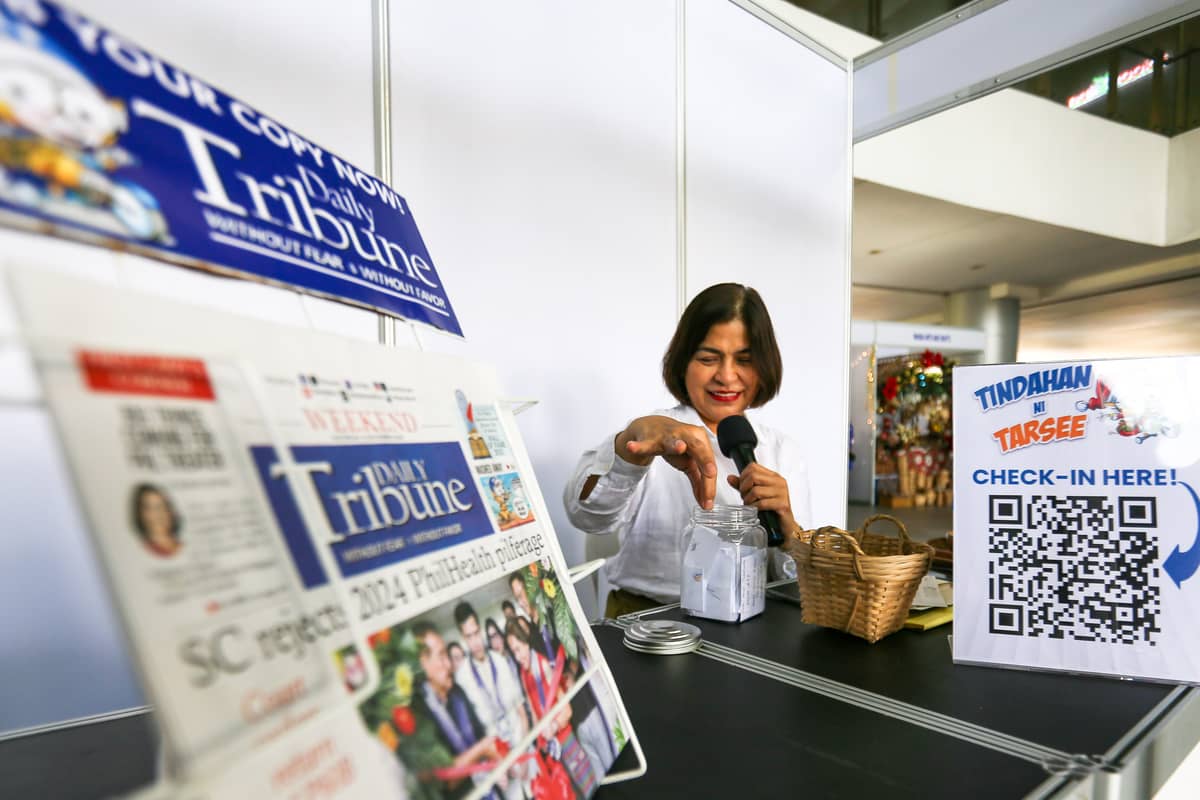
CHINGKEE Mangcucang, Executive Director for Brand Communications of DAILY TRIBUNE.
PHOTOGRAPHS BY TOTO LOZANO FOR DAILY TRIBUNE
Tarsee, DAILY TRIBUNE’S annual corporate social responsibility bazaar that helps small and medium enterprises (SMEs) with free booths and exposure, held in Festival Mall, Alabang from 5 to 7 December.
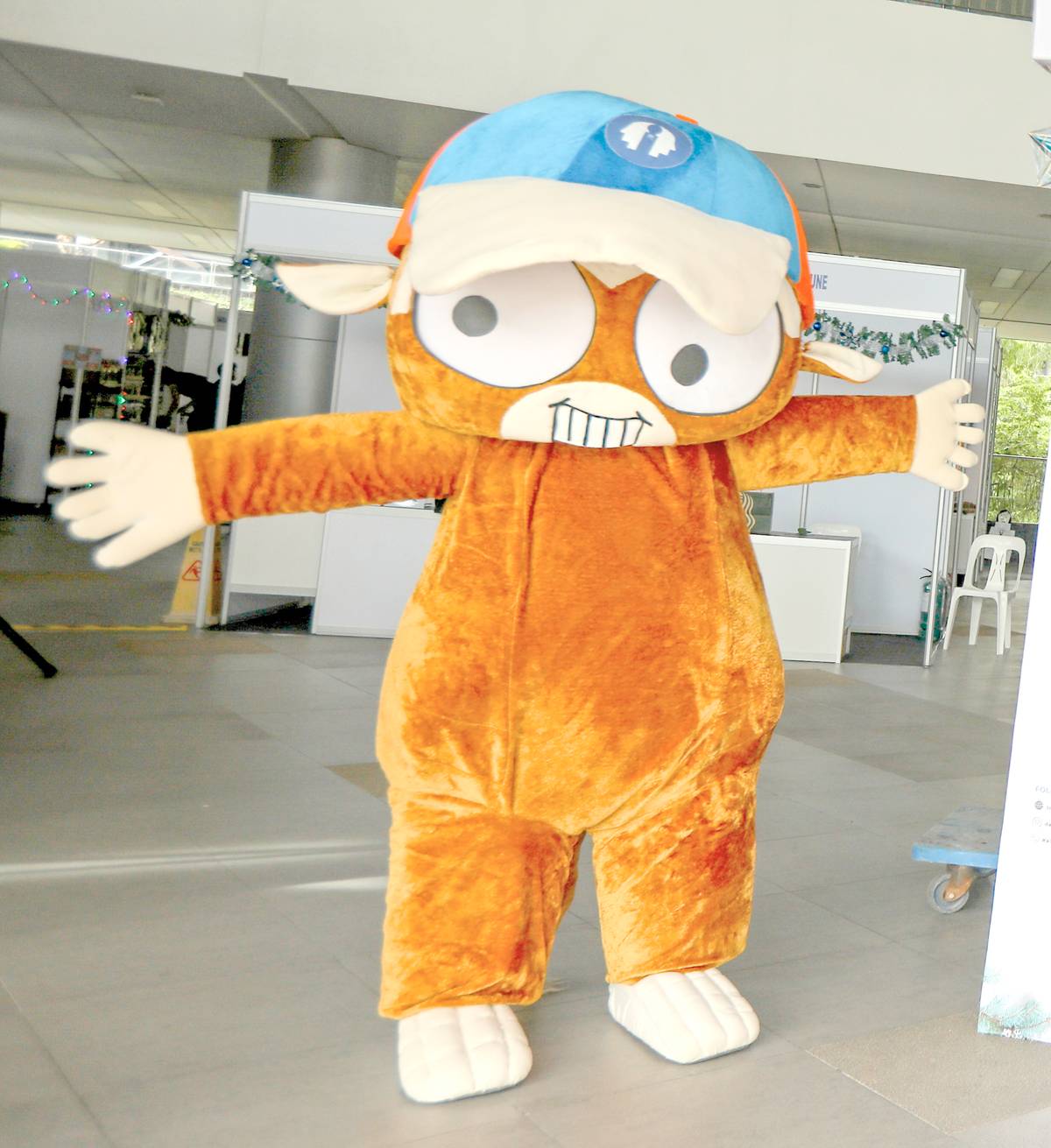
Like the tarsier, the inspiration behind DAILY TRIBUNE’S mascot Tarsee, who welcomed the visitors of the bazaar, this year’s “Tindahan ni Tarsee” tenants did not only champion Filipino pride in products and craftsmanship, but also exemplified true stories of hope and resilience.
From pandemic to continuing success
Teacher Mary May Gigantoni was among those retrenched from the private school she was working in during the pandemic.
“Since konti lang ang mga nag-enroll, nagbawas sila ng teachers (Since only a few students enrolled at the school, they retrenched some of us teachers),” she recalled.
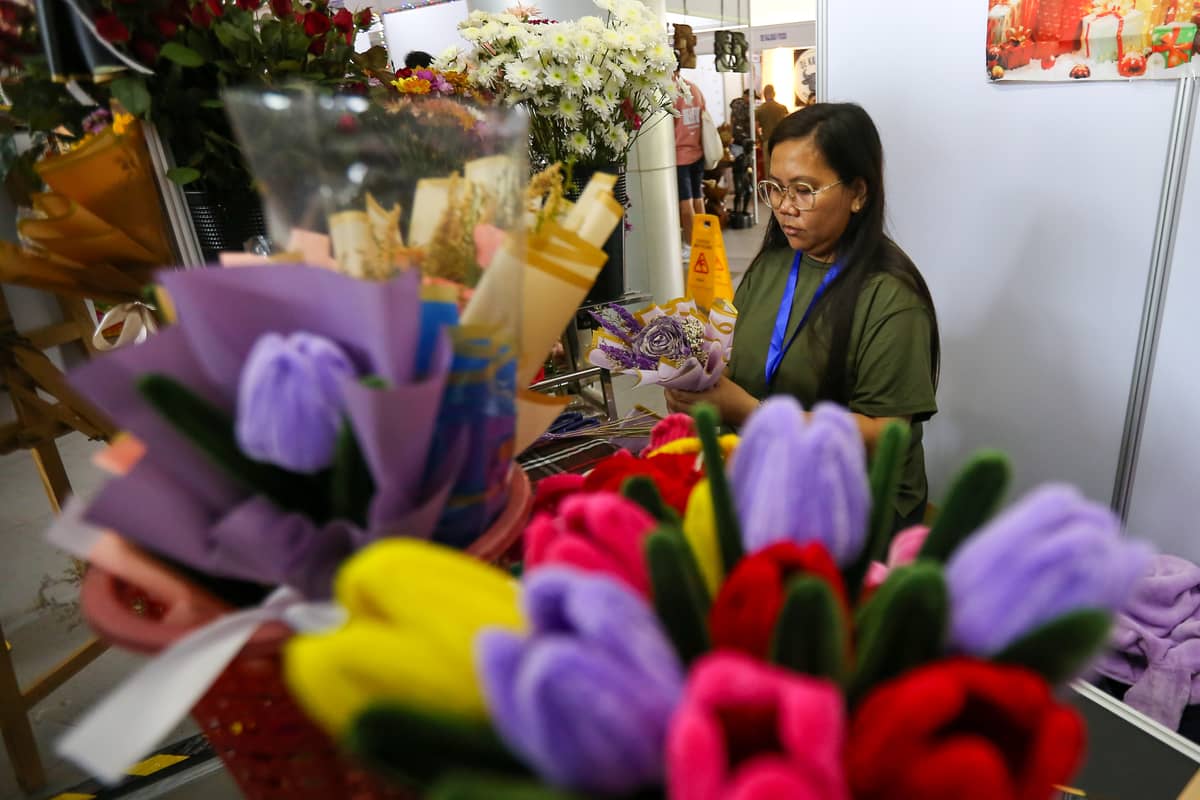
Thus, in 2020, she pivoted to selling fresh and dried flowers, which she learned how to do through YouTube tutorials.
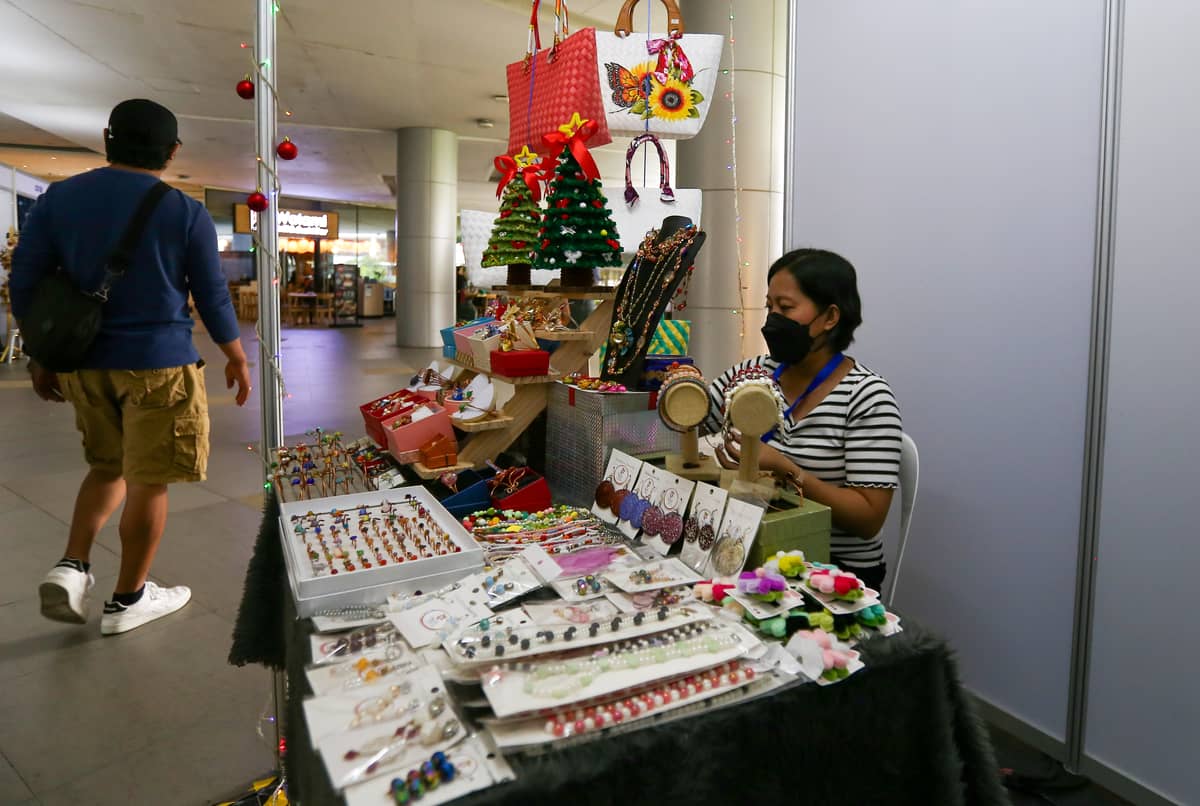
Although now already a public school teacher, Gigantoni still continues to sell flowers and has since set an example to her sister, who has joined her as an entrepreneur by creating Christmas trees and other decors or fuzzy wire art made of pipe cleaners.
“Pandagdag n’ya po sa pang-aral since ang kinukuha n’ya pong course is Dentistry (My sister uses the business to get extra income for school since she is taking up Dentistry),” Gigantoni shared.
Today, Gigantoni and her sister’s JMJ Flowers business, based in Las Piñas, continues to bloom.
“Dapat hanapin mo lang ang passion. Kasi sa negosyo, dapat gusto mo ang ginagawa mo kasi kapag hindi, may araw na tatamarin ka…” she advised.
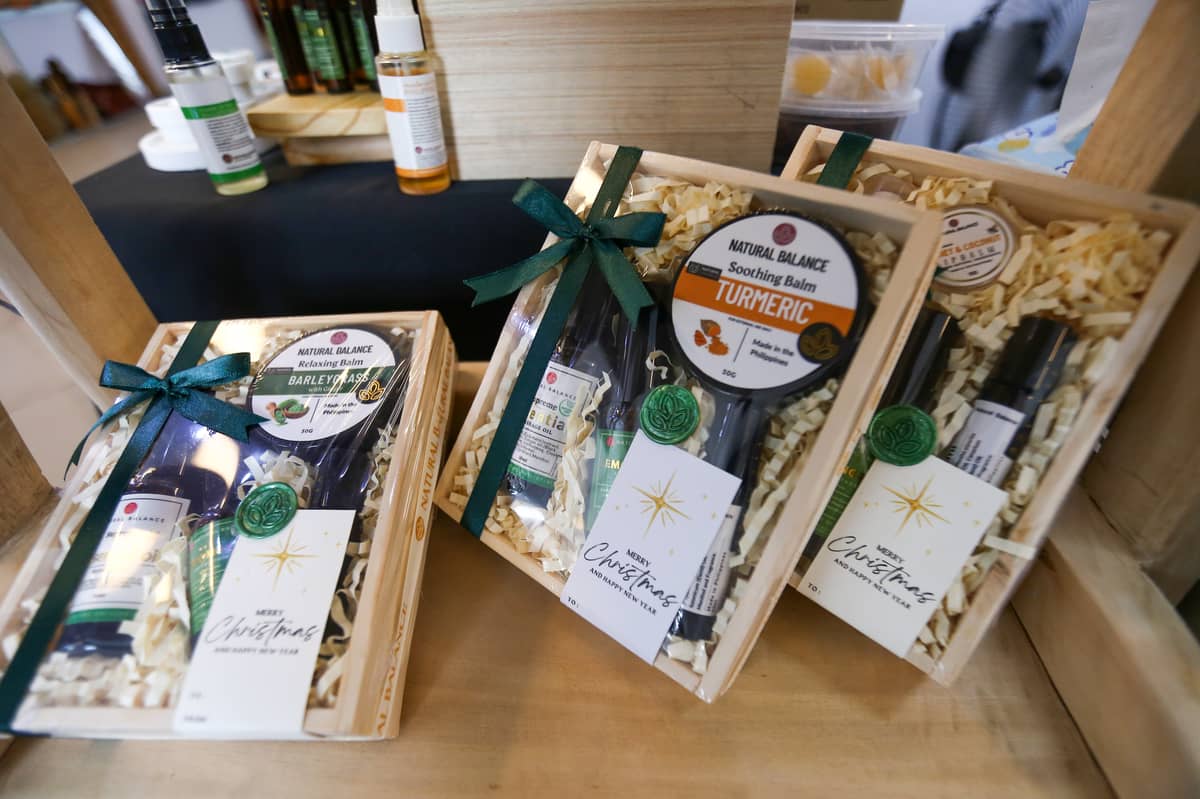
Like Gigantoni, Marilyn Campbell of Dasmariñas, Cavite started her Natural Balance balms and scents business during the pandemic.
“Naisip po n’ya na since pandemic, dapat health ang priority natin, so mga pampa-relax… Instead na uminom ka ng gamot, we can heal naman in a natural way (She though that since the pandemic, health should be our priority, so she came up with products for relaxation as alternatives for taking medicines, since we could heal in a natural way),” Campbell’s niece, Camille Rebenque, explained on the motivation behind the brand.
From Campbell’s kitchen, Natural Balance has grown into a corporation with its own plant in Cavite. From simply boiling lemongrass, the company now processes ingredients such as turmeric, barley, peppermint and ginger and expanded with up to 100 product offerings for customers of all ages.
Spreading cultural awareness through art
The Murillo Map, which proves the Philippines’ ownership of West Philippine Sea, keeps on winning the case not only for the country, but as a best-selling collector’s piece for Orientalis Arts and Crafts Trading.
Anne Ortega recalled to DAILY TRIBUNE that in 2003, she and partner Per-Andre Hoffmann, a National Geographic photographer and Canon Legend with his own workshops in different places with Canon — to merge their passion for map collecting and photography to come up with digital art and different copies of original maps, such as the Murillo Map, and sell these for their joint venture, Orientalis.
“Ito ‘yung viral na nag-kle-claim din si China na one of the islands is sa kanila, which is not. Ito ‘yung magproprove na buong Pilipinas is sa’tin (This is the viral map that China said one of the islands is theirs, which is not. This is the map that proves that the entire Philippines is ours),” Ortega said of Murillo Map.
She claimed that she and Hoffmann are friends with Mel Velarde, who, along with Ayala Corp., are the only two owners of the original Murillo Map in the country. “The rest (of the maps) are with other countries because as far as I know, there are 14 original maps,” she noted.
“So far, it’s running smoothly,” she said of how their business is faring so far. “Although it also has it flaws. For example, if there’s a natural disaster and you’re in a bazaar and you don’t have a seller. It’s sad, but just keep on going. I’m always taking risks when it comes to business.”
Apart from satisfying historians and map or art collectors, Anne is happy to share the information and appreciation of their maps and artworks even to passersby, as her and Hoffmann’s way of educating the public about Philippine art and history.
“Don’t give up. If it’s passion, do it!” she urged those also wanting to turn their passion into profits.
“Kahit anong unos ang dumating sa buhay mo, kahit na anong hirap (No matter tragedy comes to your life, even how hard it may be,) do it! Do it with passion, with what you really love… Eventually, it will boom,” she assured.
“Kasi ganu’n po kami. Nag-umpisa kami from scratch. Nag-umpisa kami na talagang walang-wala (Because that’s also how we began. We started from scratch and from nothing). Then we pursued it. Keep on going and going, growing! Never give up talaga (really) in life!”
Apart from Orientalis, the bazaar also featured Percival Denolo Coffee Art Paintings; Shine & Sparkle bags that capture Mindanao’s colorful diversity, with motifs like Vinta and Sarimanok in creations by artist Amalhayah Alonto Adiong; Palp Pinya sculptures of Mindanao tribesmen made of local wood; and Four H Handicraft that sells sungka and traditional Filipino wooden furniture and rice pounder — all hand-carved by artisans.
Helping farmers, championing local materials
“Bagsak ang negosyo ng lahat (Everyone’s businesses were down),” Ferdinand Evaristo of L. Evaristo Shoes, spoke on behalf of the entire Marikina shoe industry as he recalled with sadness their fate during the pandemic.
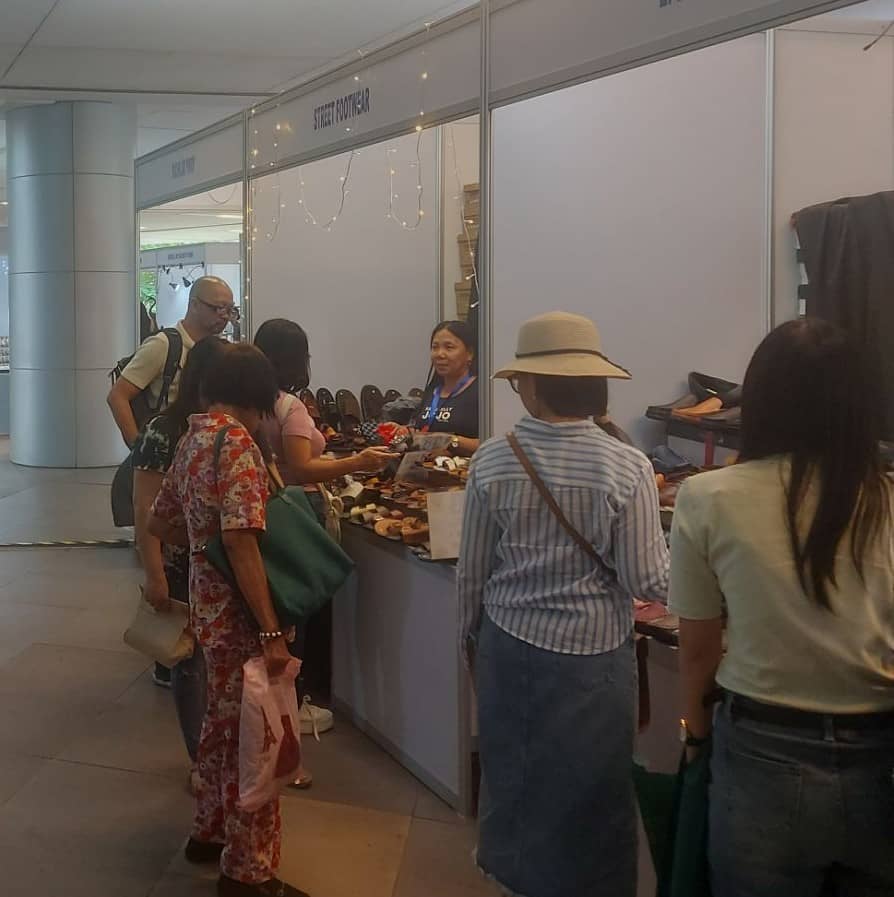
VISITORS checking out Marikina shoes.
photographs by deni afinidad-bernardo for daily tribune
The entire industry, however, has since bounced back, enabling him and his brother Larry — from whom the business takes its name — to continue their over 30-year shoemaking legacy they inherited from their parents.
Apart from helping keep Marikina’s heritage as the country’s “shoe capital” alive, L. Evaristo shoes, said Ferdinand, also helps farmers by sourcing cowhide from Bulacan.
“Dahil dito, napagtapos ng kapatid ko sa pag-aaral ang tatlo n’yang mga anak (Because of shoemaking, my brother was able to send his three kids to school),” he said of Larry, the brand’s designer who used to work for an international shoe label before putting up his own business in 1992, eventually supplying big brands like Rusty Lopez and Milanos.
“Tiyaga-tiyaga lang po sa pagtitinda at paghahanap-buhay (Just be patient in selling and working),” Ferdinand said of what keeps him and his brother going, even though Larry’s kids seemingly are no longer interested to continue the family business. Ferdinand, however, hopes that his children would eventually take over for the future of Marikina shoes.
Apart from the Evaristo brothers, also at the bazaar was Kapelipino that promotes local coffee and helps local coffee farmers; Vanity & Queens’ liquid soap made of extra virgin coconut oil; Wash Up vegetable wash and cleaners that offer a more eco-friendly alternative to synthetic cleaners through the brand’s coconut main ingredient; and Maidas Arts and Crafts that presents baskets and Christmas wreaths made of local rattan.
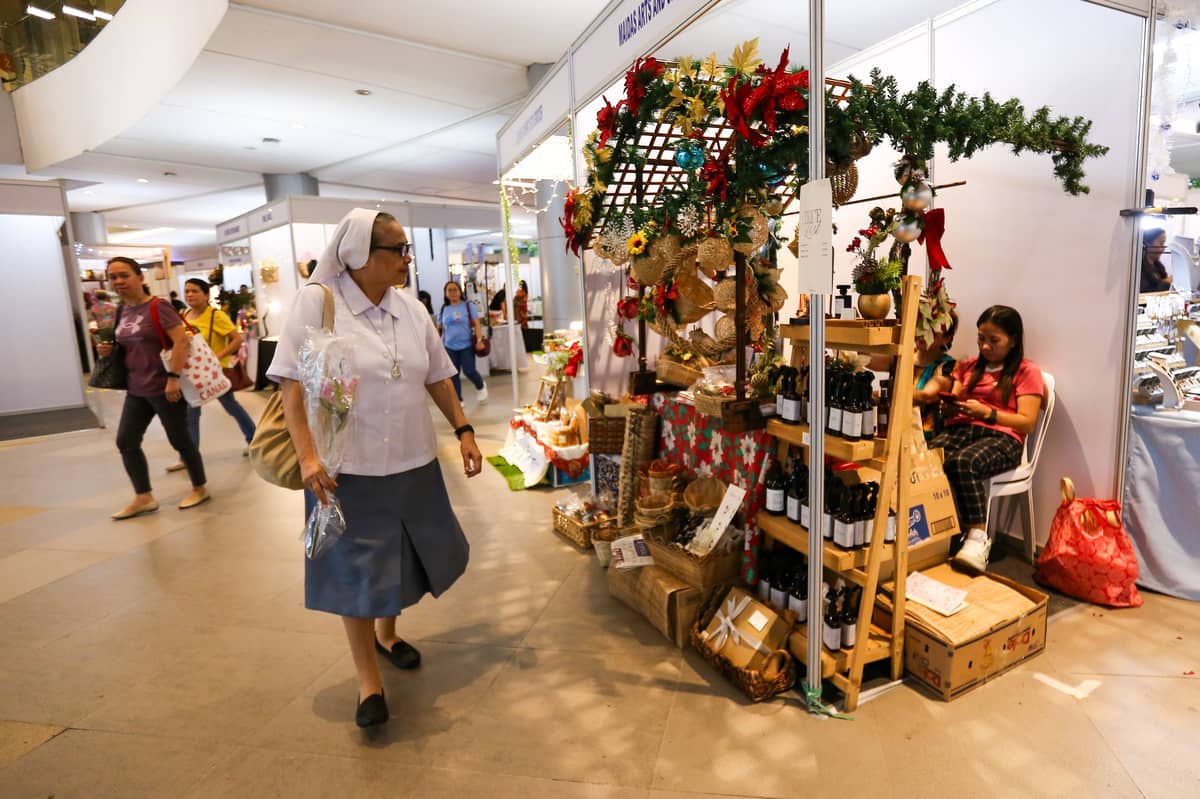
A NUN looking at rattan baskets and wreaths.
Jose Ingles Jr. of Green Leaf Essential Oils reportedly has a patented formulation made of oils from indigenous ingredients calamansi peel, lemongrass and pili or elemi, with the addition of peppermint. These all-natural ingredients are used for suob or steam inhalation, for the easing of body pains and for inhalation to soothe headaches, clogged nose, cough, fever, stress and asthma, or even as brain enhancer.
From personal fitness goals to wellness advocacy
Unable to see healthy options for their active lifestyle, athletes and sisters Eli and Carol Monteloyola started their Hinay food brand last March.
“One day, naghahanap kami ng food na walang artificial sweeteners, wala kaming mahanap. So we thought, bakit hindi natin i-try gumawa? (we were looking for food without artificial sweeteners and we couldn’t find any. So we thought, why don’t we make it ourselves?) Then we considered selling to friends. They liked it. So we started to also sell in our offices and now, we took risk and ventured out,” the sisters recalled.
According to them, they named their brand Hinay as it means “slow down,” acknowledging the important role rest and relaxation plays in today’s faced-paced and stressful living.
From their own kitchens, their healthy drinks and snacks concoctions and experiments have now been receiving bulk orders from athlete groups such as basketball leagues who find their products a better alternative to trendy drinks such as milk tea. As such, the sisters have seen their business not only as a supplementary income source to their day jobs as a programmer and a project manager, but also as a form of wellness education.
Similarly, Maria Nerisa Austria of Muntinlupa loves chicharon so much, but of course, she could not have as much pork cracklings as she would want to for health purposes.
Determined to satiate her constant chicharon craving but in a healthier way, she experimented with alternatives, until she came up with mushroom chicharon from oyster mushrooms.
“Mahilig ako sa chicharon, kaya lang as you age, may high blood na. So itong mushroom chicharon, a healthier way (I’m so fond of chicharon, but I already have high blood pressure. So this mushroom chicharon is a healthier way to enjoy the snack),” shared the grandmother to four grandkids.
Since she was producing more mushroom chicharon more than for personal consumption, she started selling to her officemates. Just this year, she was among the micro business owners who pitched their businesses to be included in the city hall’s Eco Grocer program. After completing requirements, her products now not only joins the city hall’s bazaars; but have also expanded from plain to eight flavors, including salted egg and spicy cheese; and to different sizes.
“Maganda naman po, masaya naman (It’s good and happy so far),” she said when asked how are her sales so far. “Especially maraming nagiging vegetarian ngayon, so acceptable na s’ya sa market at ‘yung consciousness nand’un na (Especially since more and more people are becoming vegetarian nowadays, my products are now more acceptable to the market. There is already a consciousness for it).”
“Tapos mayroon na ring bumibili sa akin in bulk. Dinadala sa abroad (Then now, I also already get bulk orders. For me, it’s an accomplishment if they buy in bulk because it means they really liked the products),” she happily shared.
For those who also want to make a business out of their passions, her advice is “Do not be afraid to take the risk. Because lahat ng ginagawa natin (in everything we do), whether work or business, may (there’s) risk. Pero kailangan lang (But what’s needed), we need to be strong depende sa (depending on) challenges, kasi ‘yung iba naman madali (because other challenges are easy). So everything starts from the basics. Kailangan open-minded tayo (We must be open-minded) as we try the different approaches to the business. Also, keep on learning and training.”
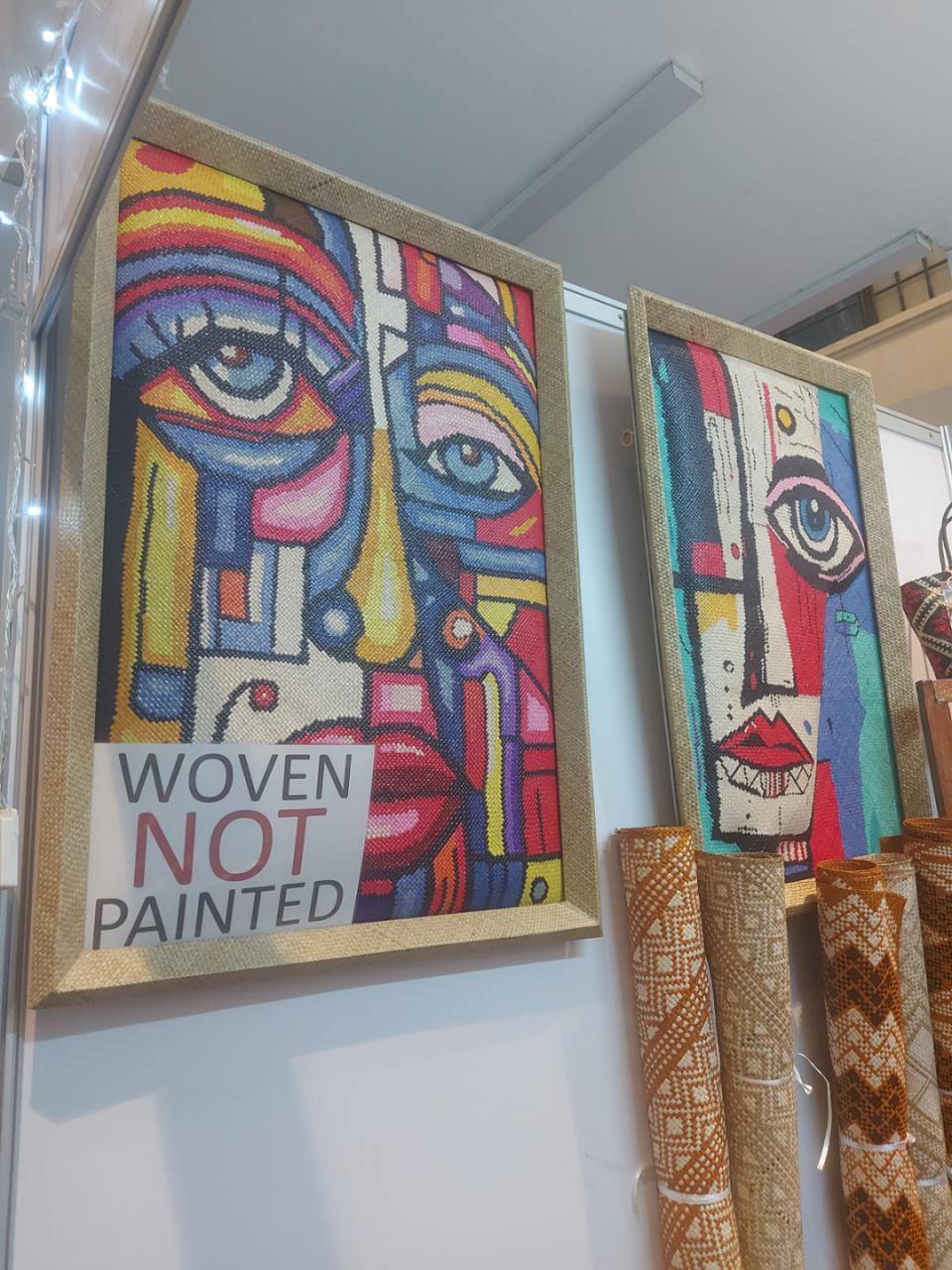
WOVEN art by Samar women.
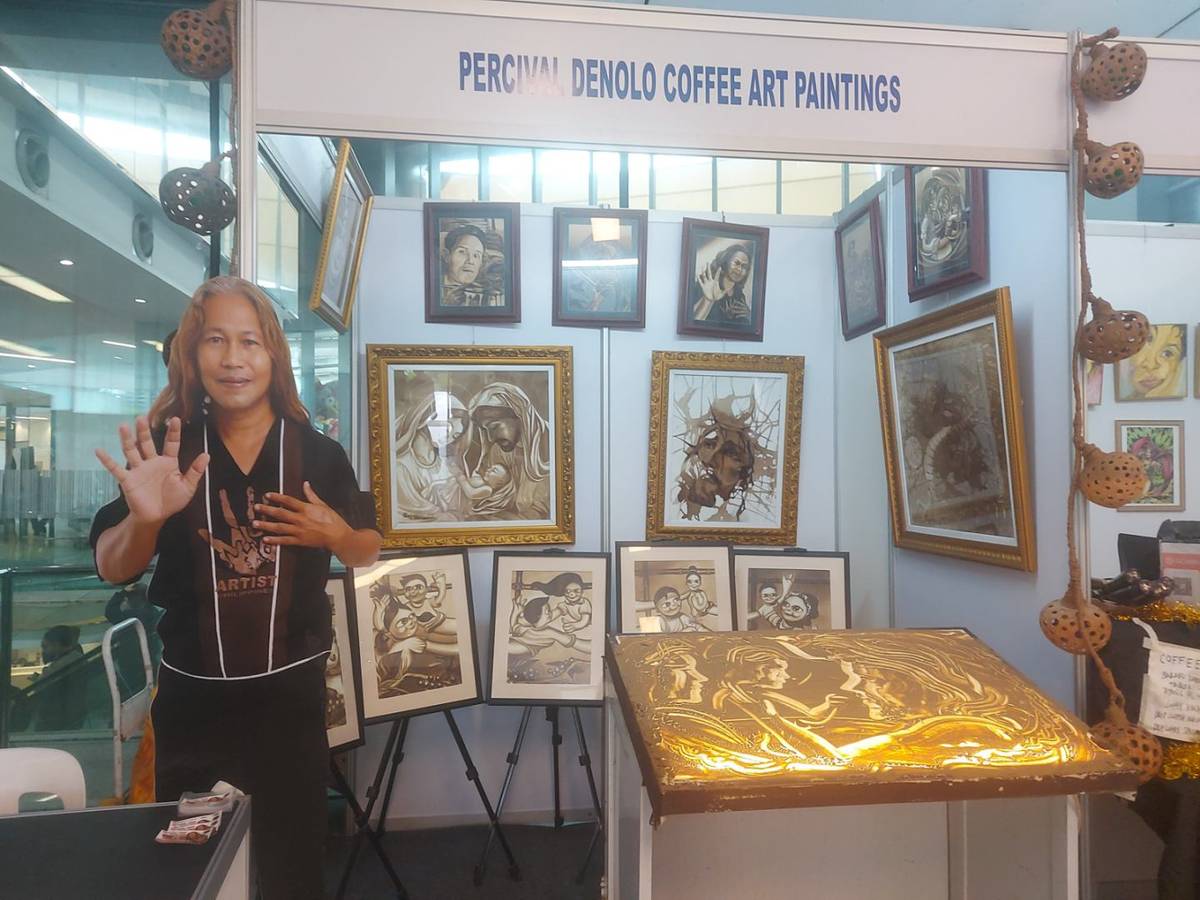
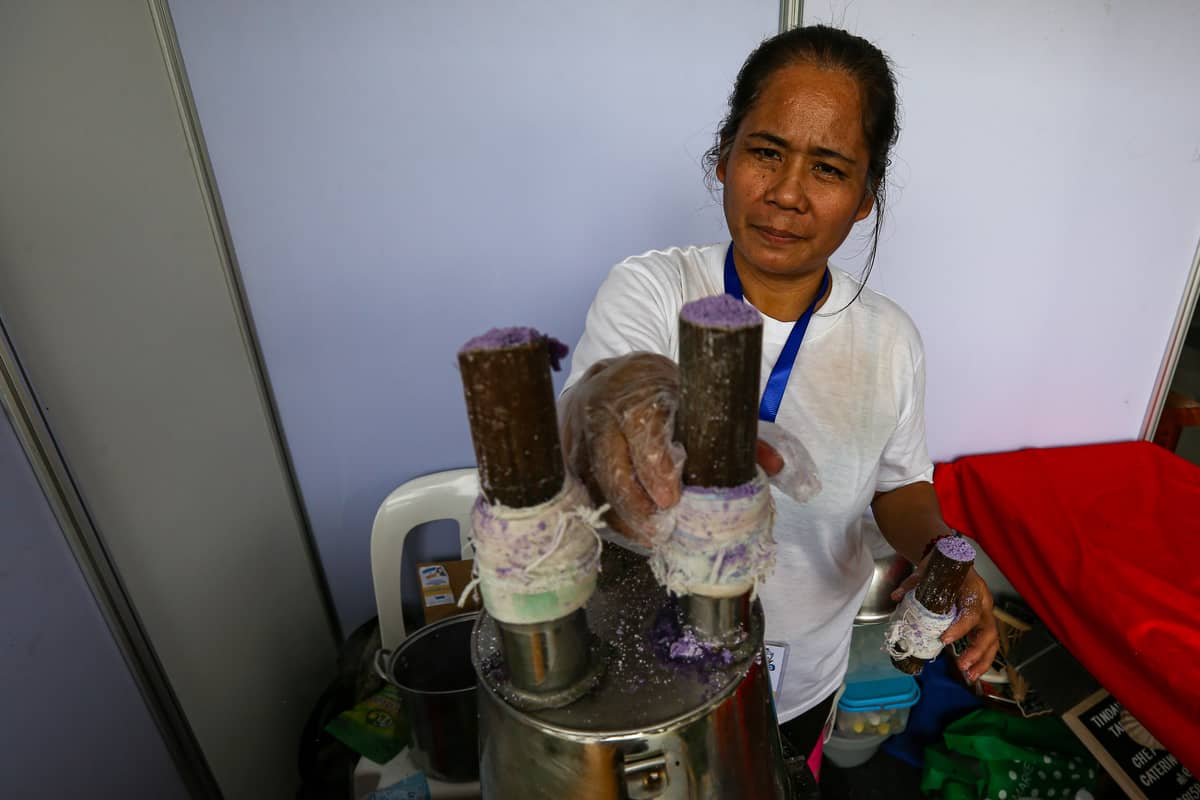
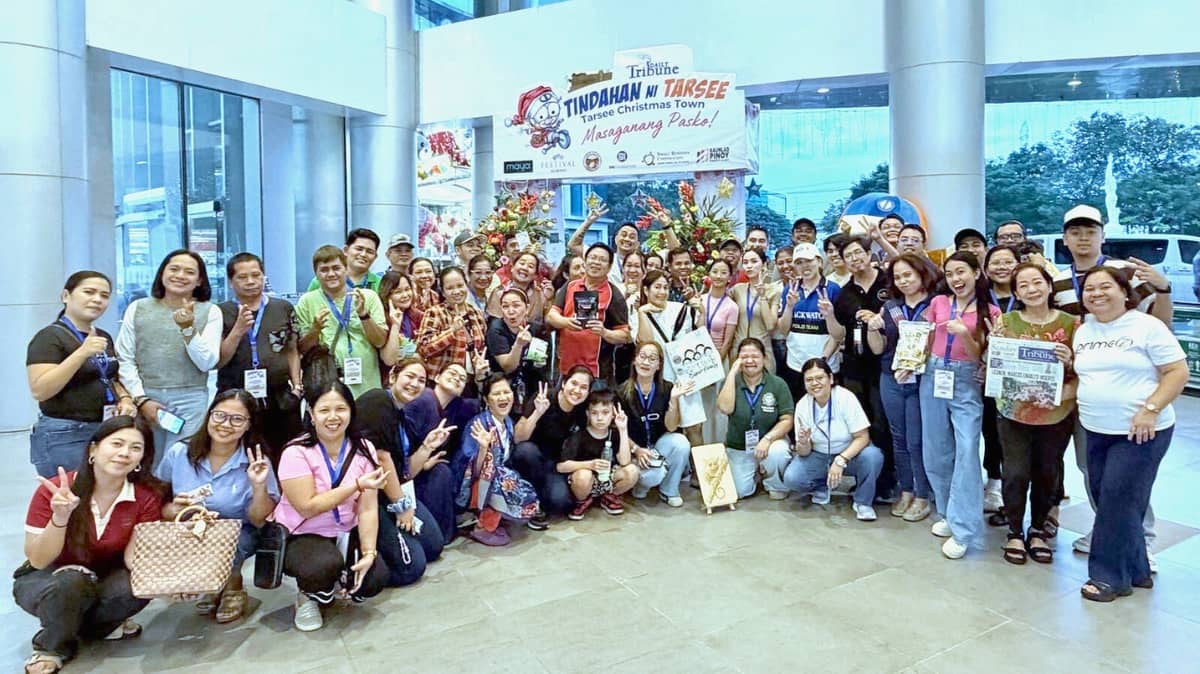
‘Tindahan ni Tarsee’ with participating brands and the Daily Tribune team — celebrating partnerships that make every story possible.