
Coco industry struggles to realize tariff gains
Cost savings are expected to improve the profitability of export-oriented processors, encouraging them to buy more raw product and offer higher prices to farmers.
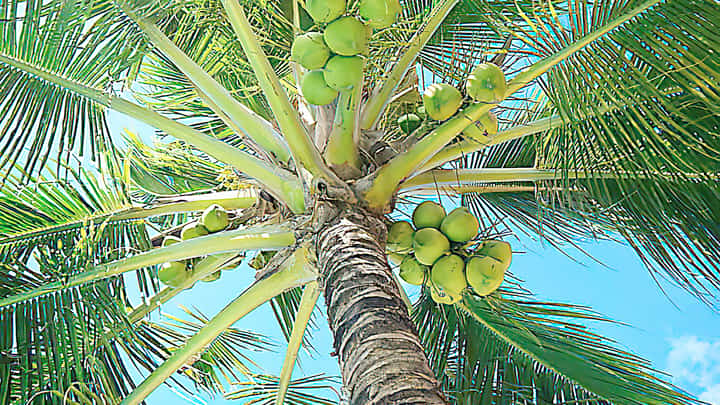
The country is the world’s second-largest coconut producer after Indonesia, but it has a greater reliance on the traditional crop, with 3.5 million farmers depending on it.
Coconut exports, ranging from crude to refined coconut oil used in everything from food processing to cosmetics, are a mainstay of the agricultural sector.
Quezon is considered the country’s coconut capital, with the province accounting for some 10 percent of the national supply.
When US President Donald Trump imposed his “reciprocal” tariffs in April, local exporters scrambled to find alternative markets, pivoting toward Europe and Asia to absorb the margin loss.
Coconut products worth $633 million were shipped to the US last year, about 24 percent of total exports of the crop.
After Trump exempted certain agricultural products, including coconuts, from the tariffs, Trade and industry Secretary Cristina Roque said the move would help “protect livelihoods, preserve jobs across our agricultural value chain, and create opportunities for communities that rely heavily on exports.”
Coconuts and its derivatives account for about 60 percent of the products given the reprieve, making the sector by far the biggest beneficiary of the Trump retreat.
Investment, growth projected
Cost savings are expected to improve the profitability of export-oriented processors, encouraging them to buy more raw product and offer higher prices to farmers, thereby creating a virtuous cycle of investment and growth.
However, economists caution that the journey to the Filipino farmer’s pocket is long and winding.
IBON Foundation noted in a report late last month that the “optimism with the US tariff exemptions announced seems driven more by relief” and the “relaxation of arbitrary and badly negotiated 19 percent duties” than anything else.
“The hype shouldn’t be believed and is just propaganda to make it appear that the [President Ferdinand] Marcos Jr. administration is notching up policy wins,” the commentary read.
“The fact is, the Philippines doesn’t suddenly have a monopoly on the opportunity to export duty-free to the US Every other tropical country exporting the same agricultural products to the US gets the same exemption.”
Farmers and analysts said the primary challenge is not tariffs, but domestic structural issues.
Most coconut exports are still in the form of low-value products like copra — the dried white flesh — and crude oil, rather than high-margin items like so-called activated carbon (a form of charcoal), specialty coconut sugars or virgin coconut oil.