
House OKs bill seeking to roll over unused internet data
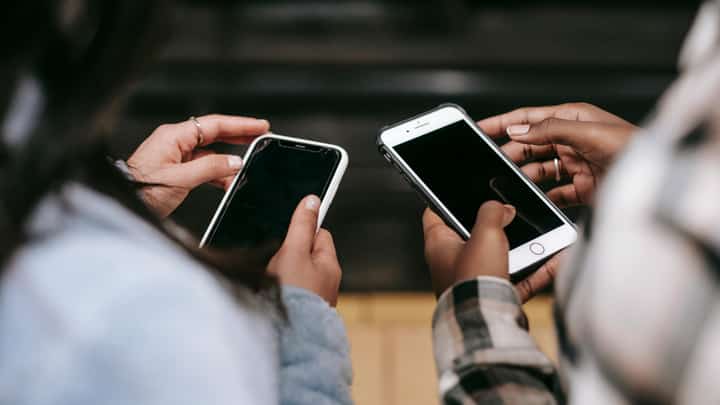
The House of Representatives on Wednesday unanimously approved on third and final reading a bill that would allow subscribers to make use of their unused Internet data until fully consumed, even after the daily data cap had already expired.
A total of 222 lawmakers voted in favor of the passage of House Bill 87, or the proposed “Roll-Over Internet Data Act.”
The bill seeks to mandate Internet service providers to roll over unused data allocation to allow subscribers to maximize their paid data until the end of the year, on the condition that they renew the subscription right after the lapse of the package duration.
This aims to avoid unused mobile data from going to waste or expiring by allowing it to be carried over to succeeding days and months until fully exhausted.
If enacted, it would also allow the conversion of all unused and accumulated data into rebates that subscribers may use as payment in the succeeding year of subscription.
Proponents of the bill—Cavite Reps. Jolo Revilla, Lani Revilla, and Agimat Rep. Bryan Revilla said this aims to put an end to the “fundamentally unfair” system where subscribers lose their paid data just because they failed to use it within a given period.
“For postpaid users, this often means forfeiting paid but unused megabytes or gigabytes. For prepaid subscribers, it means re-purchasing similar data promos just to maintain connection– often without maximizing their previous allocations,” the bill’s explanatory note read.
According to the authors, the passage of the bill would be a big help, especially for students, remote workers, small business owners, and families who are reliant on online platforms.
Under the bill, subscribers who have remaining unused data allocation but failed to renew their subscriptions within five days from the lapse of the promo period shall have a 20 percent reduction until the subscription is renewed.
If the users still fail to renew their subscription after five days, the unused data allocation will be automatically considered consumed.
Senator Bong Revilla filed similar measures in the 18th and 19th Congresses, but the proposal languished at the committee level.