
Grief meets bureaucracy: Claiming SSS funeral benefits

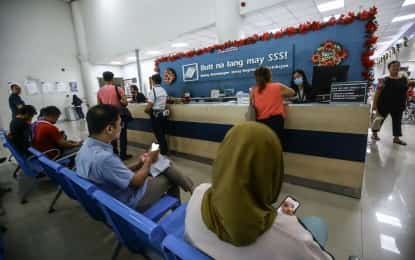
The Social Security System (SSS) is one of the most essential government programs for Filipino workers, especially since it is required by most employers and automatically deducted from monthly salaries. Yet when the time comes for members or their families to claim benefits—including those for sickness, maternity, disability, retirement, unemployment, death, and funeral—many describe the experience as exhausting and emotionally draining.
Online posts and community groups are filled with people asking how to navigate SSS benefit claims.
One senior citizen recently shared her struggle in claiming the ₱21,000 funeral benefit for her 101-year-old mother. She said SSS customer service numbers and the UsapTayo email were unreachable, prolonging their grief and adding days of frustration. At the branch, she was told to file the requirements online, only for the application to be rejected due to “incomplete documents.” She then went to another SSS branch, where she was informed that the claim could be filed at the nearest branch of her choice instead of online, plus a requirement she was never told about: the funeral parlor receipt must be signed.
The issue is not whether claimants know the process, but the lack of customer care when families are desperately seeking help. Should printed guidelines be provided at every branch to clearly show the step-by-step process? Should all staff be more patient and offer a unified explanation of SSS rules?
Because of these challenges, Filipinos are now turning to peers online for guidance—many believing they can get quicker and clearer answers there than from customer service channels that often leave them waiting, both in person and online.
One sad reality is when a netizen was advised by a random commenter to try approaching a politician during election season for funeral assistance. Those who receive aid from the local government know it is easier to get help during elections. If genuine and fast government aid were consistently available regardless of the season, this kind of practice would stop.
Another netizen who completed the online filing said it took several attempts before the claim was finally approved, despite submitting the same documents each time. He shared, “It’s in the system,” and advised others to keep returning to SSS to follow up. But for a government agency—especially one like SSS, which serves grieving families—the burden of securing such benefits should not fall on the public.
The effort should not lie in constant follow-ups but in the continuous improvement of its system. It is a good thing that even in this difficult process, the Filipino sense of bayanihan is alive. Yet it should also serve as a lesson for the agency to never stop improving its customer assistance.