
Beyond the familiar: KCC leads evolution of Hallyu in Phl
‘Beyond appreciation, we aim to provide opportunities for aspiring creators to learn, participate and connect directly with the industry.’


For the Korean Cultural Center in the Philippines (KCC), 2025 was a year shaped by exploration, expansion and a renewed commitment to cultural exchange.
According to KCC director Kim Myeongjin, the goal was clear from the beginning: broaden the Filipino understanding of K-culture beyond its globally familiar facets.
“In 2025, our overarching mission was to redefine how Filipinos experience Korean culture,” Kim shared with DAILY TRIBUNE in an exclusive interview. “That meant highlighting not only K-pop and K-dramas, but also traditional arts, emerging creative industries and the deeper values behind them.”
This direction informed KCC’s year-long theme of “What’s Next,” a call to curiosity and creative discovery.
This vision was embodied in Lights of Korea: Jinju Silk Lanterns, which drew nearly 6,000 visitors over 59 days — proof that even centuries-old crafts can resonate with modern audiences.
On a much larger scale, the annual Korea Festival in Cagayan de Oro attracted an astounding 200,000 attendees, underscoring how eager regional communities are to engage with K-culture when given the chance.
“The reception was overwhelming in the best way,” Kim recalled. “It reaffirmed our belief that K-culture should be accessible to Filipinos nationwide.”
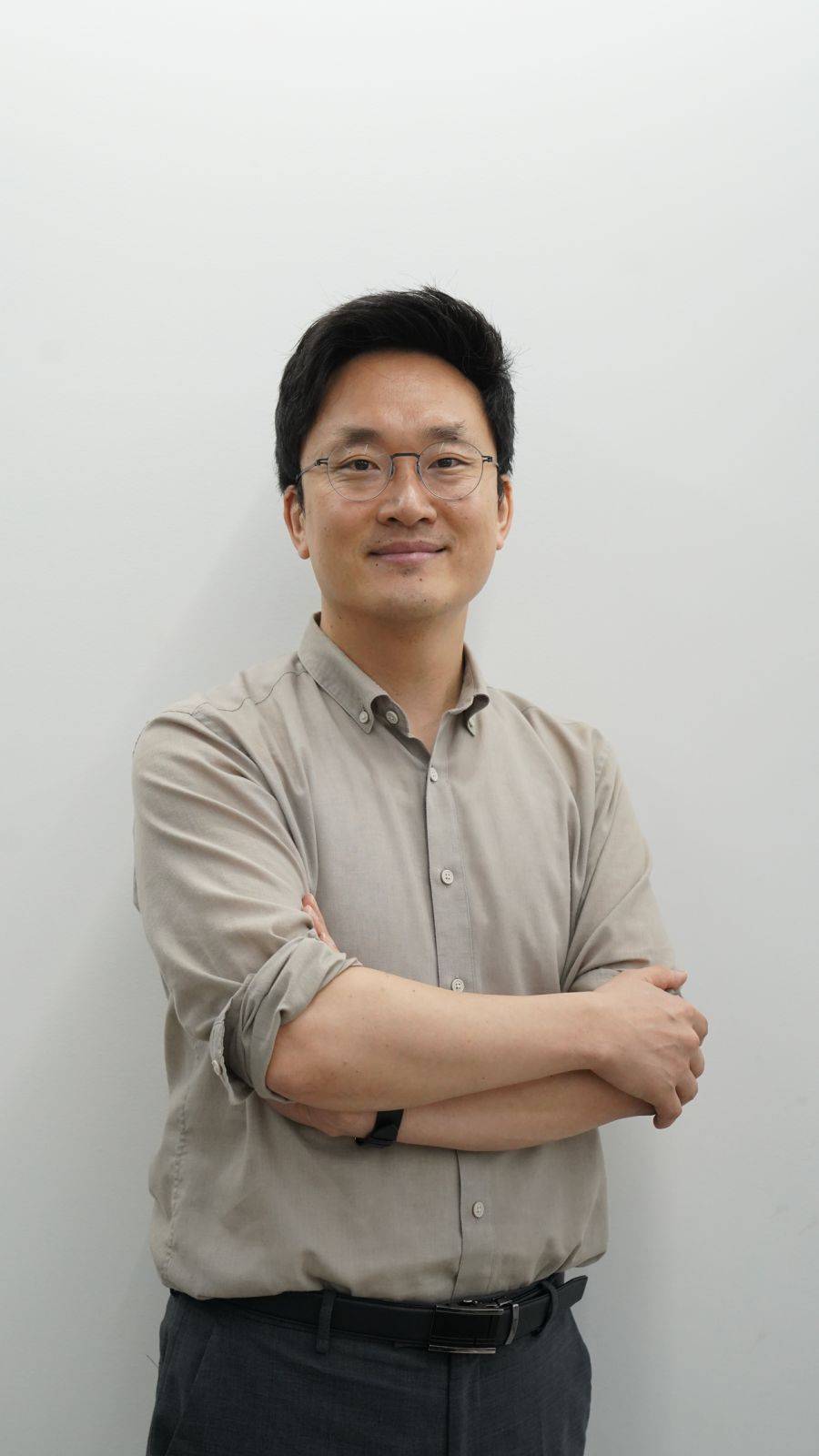
KCC director Kim Myeongjin.
PHOTOGRAPHS COURTESY OF KCC
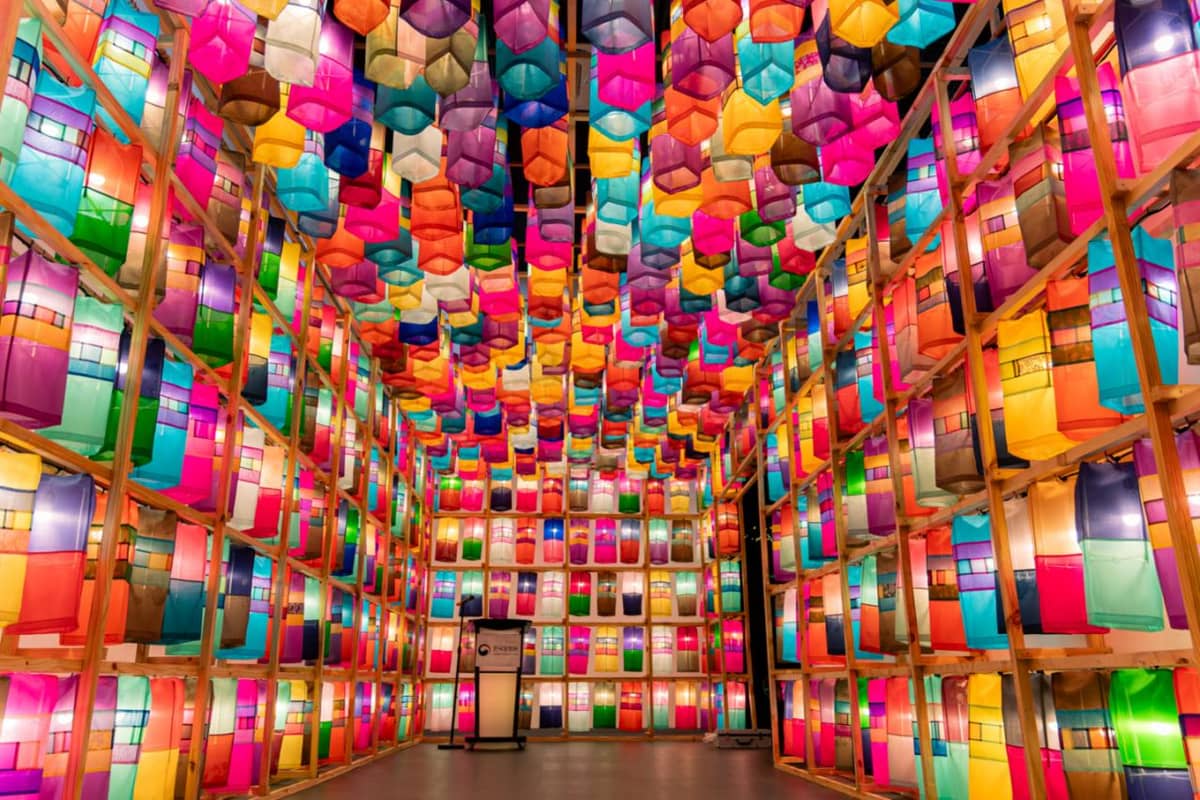
Jinju Silk Lanterns.
PHOTOGRAPHS COURTESY OF KCC
Kim noted that while these large-scale events made headlines, more intimate moments also left lasting impressions. The second run of OST Symphony: K-Drama in Concert continued to enchant audiences as the Philippine Philharmonic Orchestra brought beloved OSTs to life.
“There is something magical about hearing those soundtracks performed live,” Kim said. “It’s one of the most emotionally-resonant programs we have.”
Other flagship events also evolved in ways that deepened engagement. The Korean Film Festival added interactive layers — from a student short film competition and regional screenings to a talk-back with production design experts and a behind-the-scenes exhibit.
“We want our annual events to grow with our audiences,” Kim explained. “Beyond appreciation, we aim to provide opportunities for aspiring creators to learn, participate and connect directly with the industry.”
This approach echoed in K-Beauty Glow-Up, which expanded its scope to include beauty tourism, wellness and educational elements while showcasing both major brands and SMEs (small and medium enterprises). These adjustments, Kim emphasized, allow events to become platforms for cultural and industry exchange — not just consumption.
Kim is especially proud of KCC’s strengthened regional reach. Partnerships with DepEd’s Korean language program resulted in consistent monthly outputs from students, averaging 100 submissions. “The enthusiasm from young learners nationwide was incredibly inspiring,” he added.
Inviting Korean experts in film, literature, music and gaming also became a meaningful pillar of KCC’s programming.
“Hearing directly from creators makes culture more relatable and accessible,” Kim said. “It also fosters mutual growth. We don’t want a one-sided presentation of Korean culture — we want Filipino creatives to feel inspired and empowered.”
Among new initiatives, the student short film competition stood out for how it encouraged participants to tell stories centered on “Korea in the Philippines.” Their works were showcased at the Korean Film Festival, reflecting the shared histories, values and experiences that underpin both cultures. Meanwhile, workshops tied to programs like OST Symphony II brought together music producers, showrunners, tourism advocates and merchandise exhibitors, creating an ecosystem of collaboration.
But even with a year full of successes, challenges remained. The rapid expansion of K-culture in the Philippines meant KCC had to balance wider reach with high-quality execution. “We overcame this through strong partnerships, a dedicated team and our volunteers, the KREW,” Kim said.
The year revealed a shift in how Filipinos perceive Korean culture: with deeper curiosity, more nuanced understanding and an openness to forms beyond the mainstream. Audience feedback consistently echoed a desire for longer, more frequent programming — proof of a growing community that feels seen, engaged and inspired.
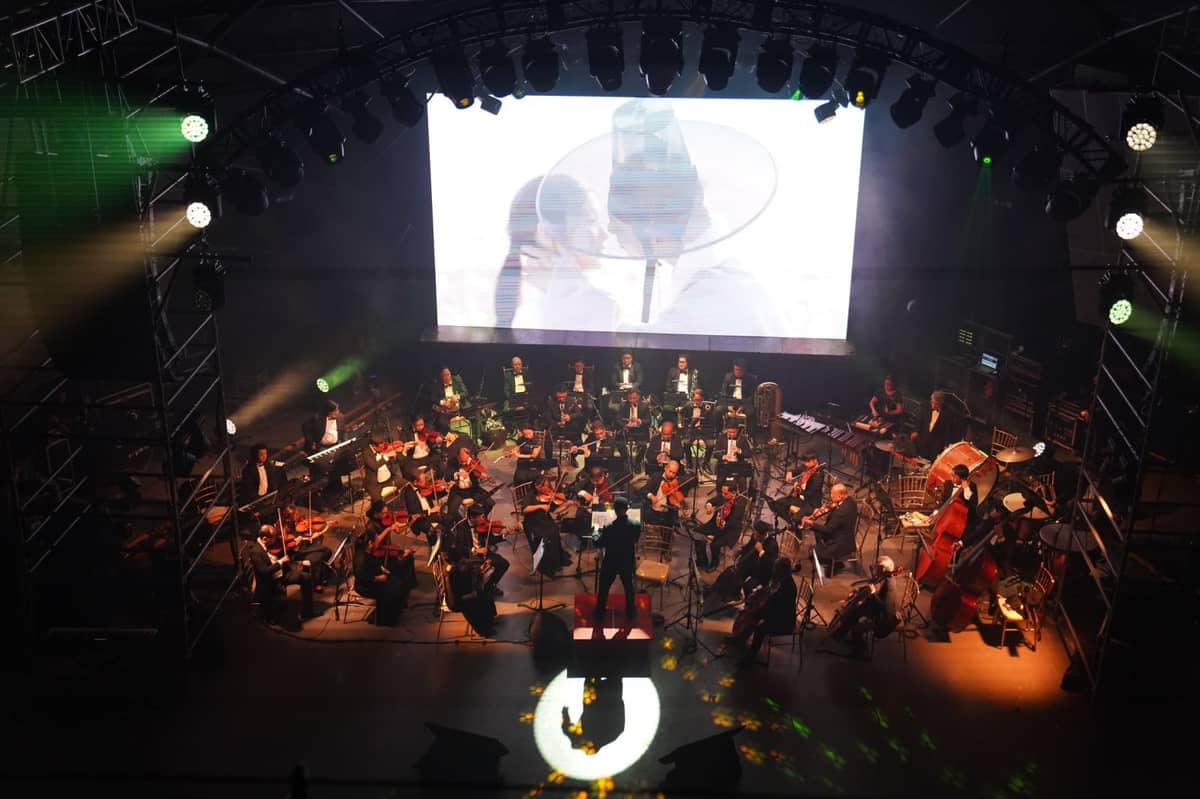
OST K-Drama in Concert.
PHOTOGRAPHS COURTESY OF KCC
2026 plans
As the Philippines prepares to host the 2026 Asean Summit, KCC is already in discussions with the National Commission for Culture and the Arts for collaborative cultural programs. A special edition of the Korea Festival is being planned to coincide with the summit, promising wider participation and cultural visibility.
Kim shared that 2026 will be guided by a new vision: “Culture in Motion” — a commitment to reach more regions, create more experiential programs and embrace the evolving nature of culture itself.
KCC will expand its focus on “K-Story,” introducing new genres such as plays, animation and enhanced programming in film, webtoons and literature.
Audiences can also expect a Hanbok-inspired contemporary art exhibition, a performance by an all-Korean traditional instrument ensemble and a children’s play that brings Korean creativity to younger audiences.
“Culture is always moving,” Kim said. “And in 2026, we intend to move with it — expanding, innovating and connecting even more deeply with Filipino communities.”