
London restaurants shine on La Liste 2026 as tourist tax looms

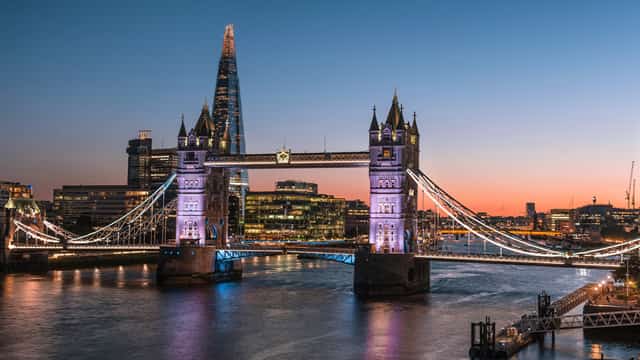
There are now 28 London restaurants on La Liste’s Top 1000 Restaurants 2026, a cause for celebration. Among them are iconic spots like The Ritz Restaurant, Restaurant Gordon Ramsay, and Core by Clare Smyth.
However, a tourist tax may soon affect the city’s hospitality scene. With the influx of visitors, governors and mayors across the UK are seeking authority to impose levies on hotels, short-term rentals, and guest houses, according to government statements.
Chancellor Rachel Reeves is expected to grant Sir Sadiq Khan and other civic leaders this power through the English Devolution and Community Empowerment Bill, currently under consideration in Parliament.
England remains the only G7 country alongside Canada, France, Germany, Italy, Japan, and the United States where mayors are barred from imposing such taxes.
Meanwhile, Scotland and Wales have introduced their own visitor taxes. Scottish local authorities can set levies as a percentage of overnight stays, while from 2026, Welsh authorities will collect £1.30 per night. In France and Italy, the amount depends on location, lodging type, and official star rating.
The Centre for Cities suggests that a well-implemented tourist levy could boost economic growth, improve infrastructure, and enhance the business environment in London.
Giving the mayor control over the rate and use of revenues would allow rates to adjust flexibly based on visitor patterns, similar to models in Scotland and Toronto, where levies vary with demand.
Andrew Carter, chief executive of Centre for Cities, noted that revenues should ideally be split between City Hall and boroughs, supporting the tourist economy without being ring-fenced by central government.
Some in the hospitality sector are concerned. Kate Nicholls, chair of UK Hospitality, called the idea “shocking,” warning it could deter visitors and burden British families already paying high VAT, potentially affecting jobs, growth, and investment.
Experts maintain that London could adopt a flat fee or percentage system. Estimates from the GLA in 2017 suggested a £1-per-day levy could raise £91 million, and a 5% levy £240 million.
Despite concerns, visiting London’s top restaurants remains a worthwhile experience—its culinary treasures are worth every penny.