
Unified 911 rescues seniors amid ‘Tino,’ ‘Uwan’
The department reiterated its commitment to further strengthening the Unified 911 System, ensuring that in times of crisis, every citizen — young or old — can reach help with a single, life-saving call.
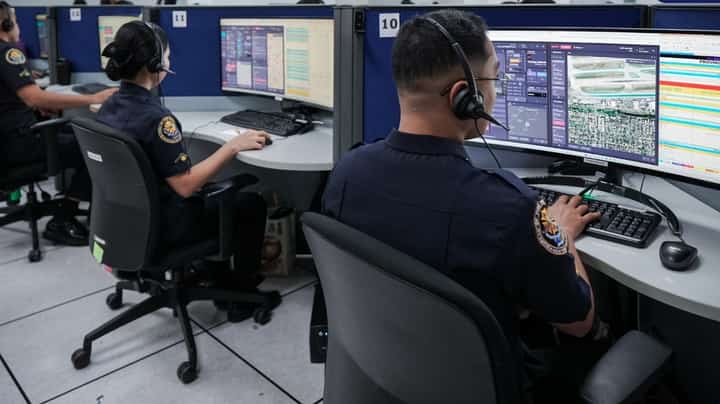
When typhoon “Tino” and super typhoon “Uwan” battered parts of the country, help for the most vulnerable — including senior citizens — was often just one call away.
Following President Ferdinand Marcos Jr.’s directive to strengthen preparedness and speed up emergency response nationwide, the Unified 911 National Call Center (NCC) became a critical lifeline, connecting people in danger to rescuers in real time.
From 1 to 18 November, the Department of the Interior and Local Government (DILG) reported that the NCC handled 8,062 emergency calls — many of them from senior citizens or families seeking urgent assistance for elderly relatives. Each call was swiftly linked to the Philippine National Police, the Bureau of Fire Protection, local Disaster Risk Reduction and Management Offices (DRRMO), and local government units for immediate action.
One of the most dramatic calls came from Barangay Murcia, Negros Occidental, where rising floodwaters trapped a minor and a senior citizen inside their home. Roads had become nearly impassable, but responders pushed through. In less than 40 minutes, local police, firefighters, and the Municipal DRRMO (MDRRMO) were able to extract the stranded residents to safety.
In Olongapo City, a frantic call came in about a massive, nearly uprooted tree teetering on a hillside — threatening homes occupied by senior citizens. The 911 alert triggered a rapid response from the Olongapo MDRRMO, allowing rescuers to evacuate the at-risk residents before the situation turned dangerous.
These stories, the DILG stressed, reveal the powerful role a unified emergency hotline plays during disasters — especially for Filipinos who may not have the physical ability or resources to protect themselves.
The department reiterated its commitment to further strengthening the Unified 911 System, ensuring that in times of crisis, every citizen — young or old — can reach help with a single, life-saving call.