




Big business of fake
The silent threat to your holiday ‘It-Bag’ dreams


Text size
The silent threat to your holiday ‘It-Bag’ dreams
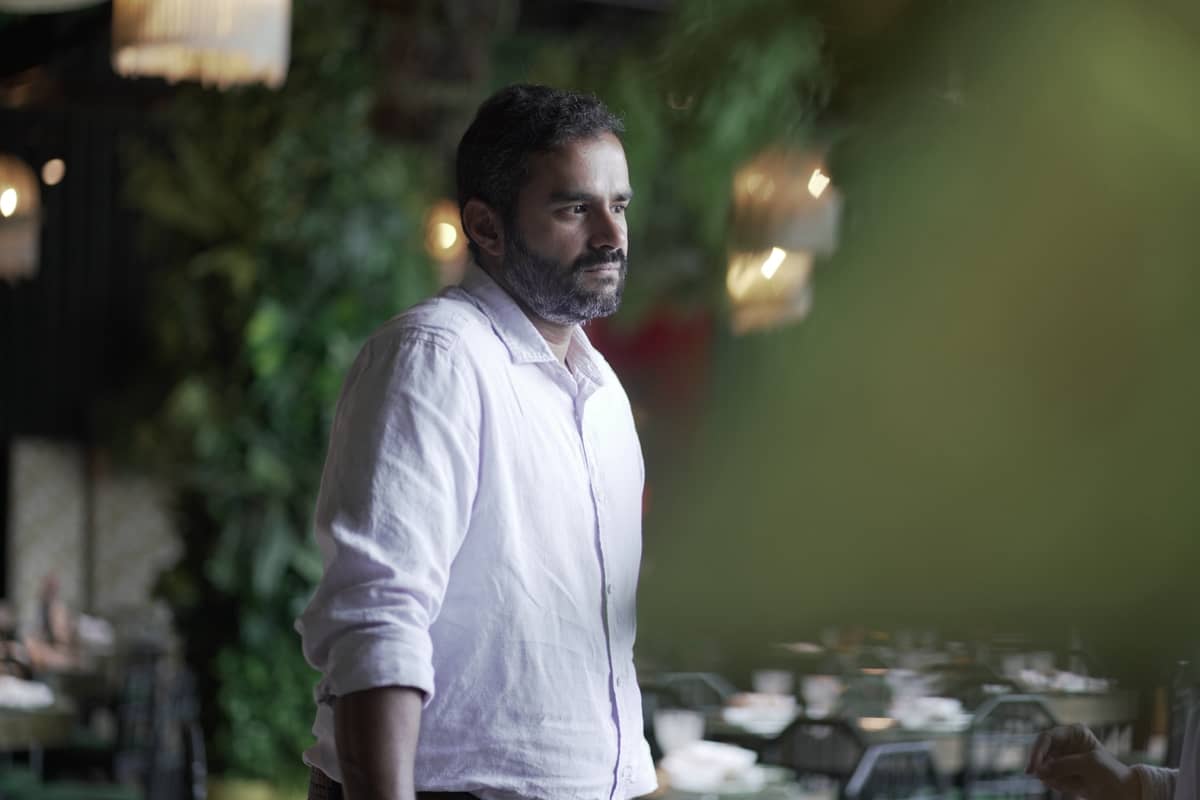
Entrupy CEO Vidyuth Srinivasan.
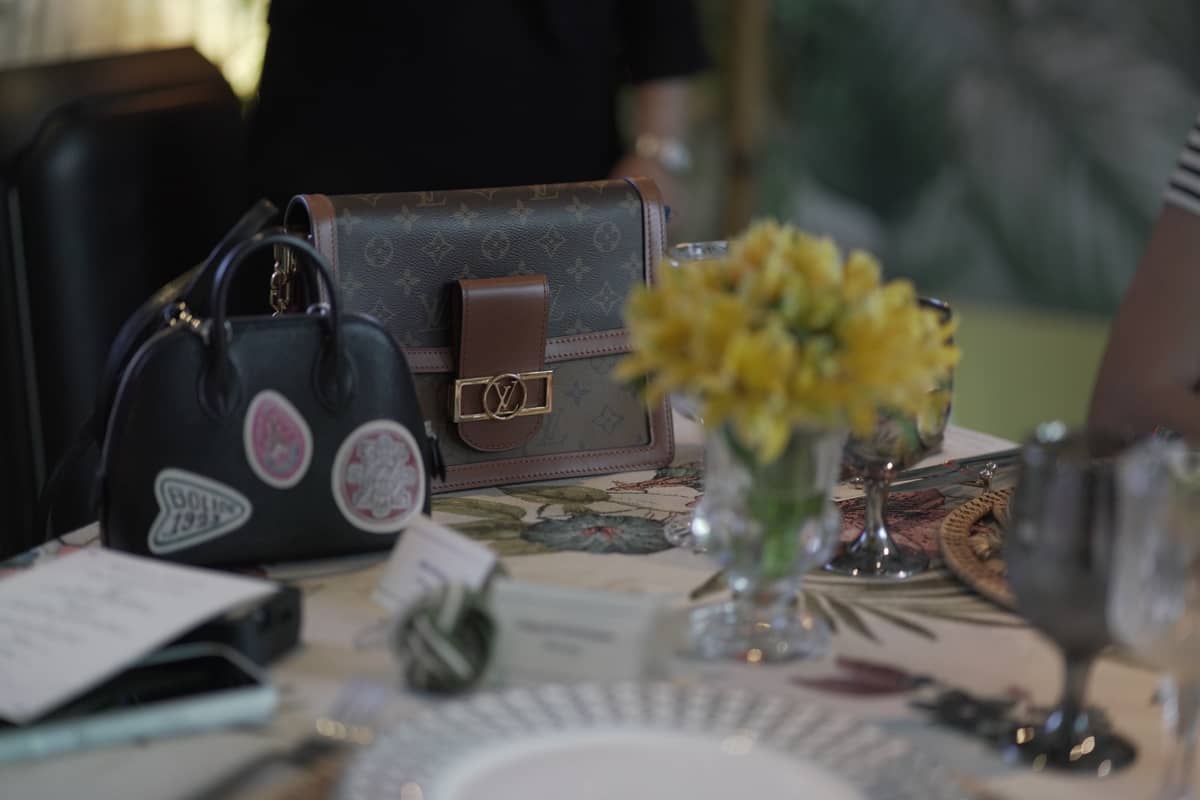
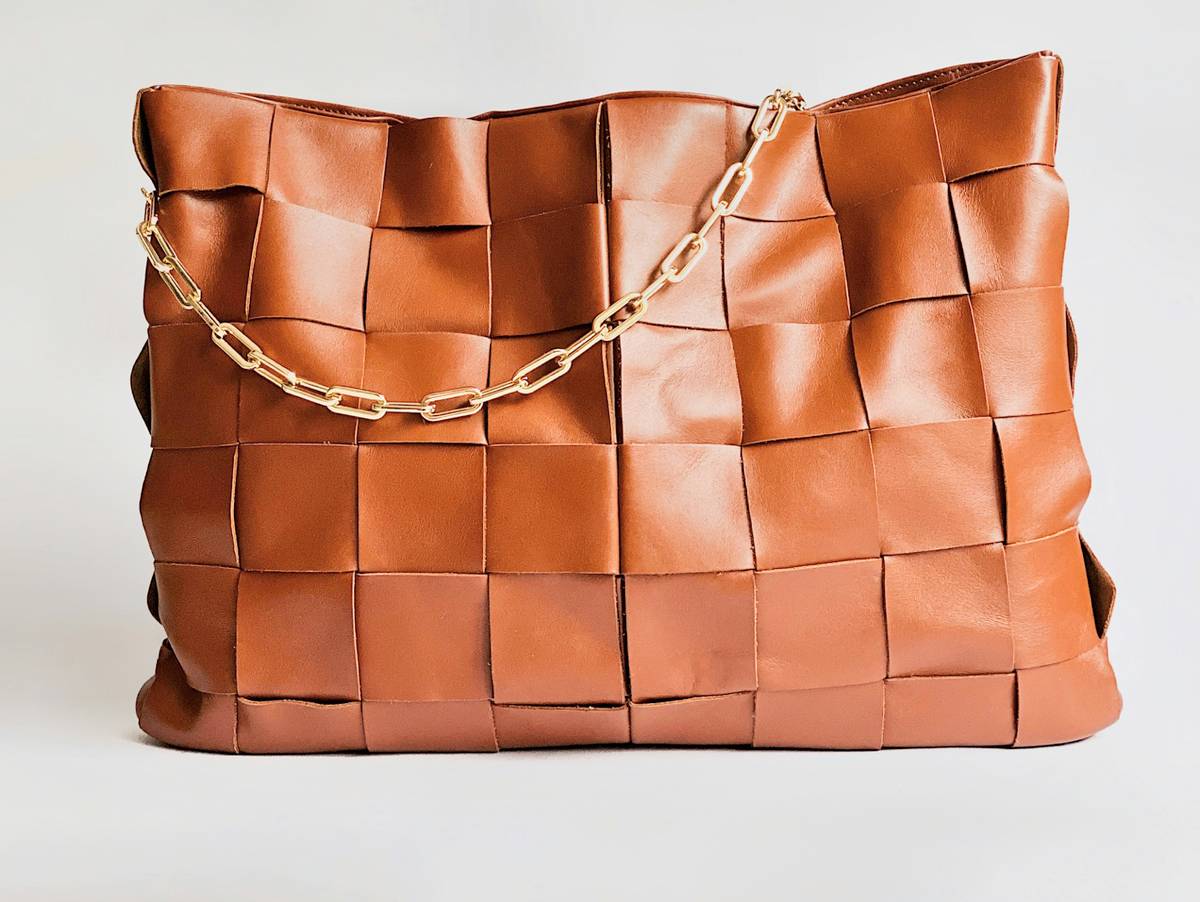
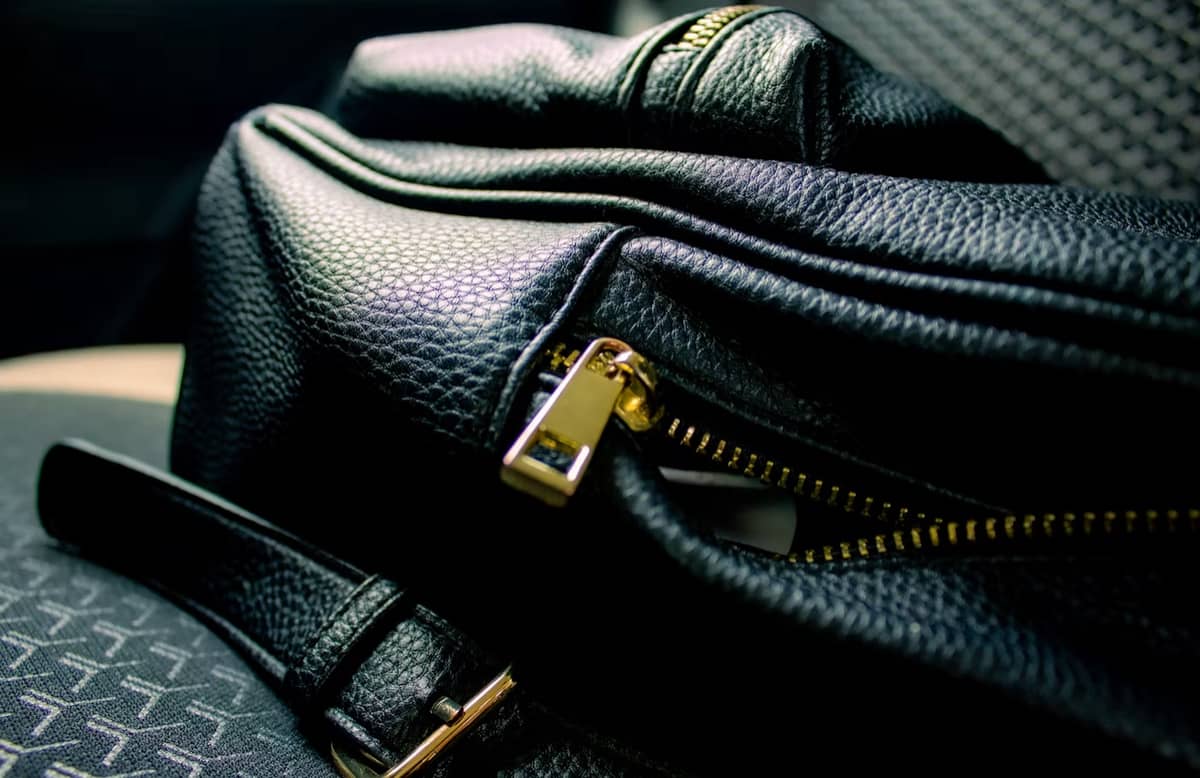
IT’s in the details. One way to tell if a bag is fake is to check the leather.
The holidays have always been luxury’s favorite season. It’s the season for extravagance, heirloom gifts, glossy shopping bags and handmade cards tucked into carefully chosen things.
However, in an era when luxury represents more than simply style, but also identity, workmanship and desire, an increasingly sophisticated shadow industry is working hard to replicate that magic: the worldwide counterfeit trade.
Even seasoned collectors can be duped by today’s finely constructed fakes, which were once easy to recognize.
The end result is a problem lying in plain sight, worsened by the frenzy of holiday shopping and the pressure to buy the ultimate designer gift.
As Entrupy CEO Vidyuth Srinivasan told DAILY TRIBUNE, “When you’re buying from a counterfeiter, you really don’t know where your money is going.”
Nowadays, counterfeit goods are found all over the world. They move quickly across anonymous supply chains and cross-border e-commerce networks, from Bangkok’s street markets to Paris’ elegant shops. The problem is now global, systemic and closely related to the demands of contemporary consumption rather than hyperlocal.
In addition, Srinivasan stressed that counterfeit activity encompasses more than just phony goods. It exposes customers to hazardous substances and supports illicit networks. “Those who purchase counterfeit goods are real victims.” The majority believe they have a deal, yet they are unaware of the actual price.
This reality is especially critical in the Philippines, where the luxury resale market is expanding at record speed and counterfeit incidents spike each holiday season. Many Filipino shoppers remain unaware that counterfeits often contain toxic chemicals like lead, arsenic and cadmium; that counterfeiting is now a US$1-trillion global industry, larger than drug and human trafficking; or that TikTok’s “dupe culture,” which has amassed over 6.3 billion views, is normalizing fakes for younger consumers.
Data from Entrupy’s 2025 State of the Fake Report paints a stark picture. Of nearly US$1.4 billion in authenticated goods, 8.4 percent were revealed to be fake, with Louis Vuitton emerging as the most counterfeited luxury brand worldwide. Across the Asia-Pacific region, Prada was the top target, followed by Louis Vuitton and Chanel, while in the Philippines, Chanel led the list, followed by Louis Vuitton, Gucci, Goyard and Dior.
The report also showed brands facing the highest counterfeit risks globally: Goyard, Prada, Givenchy, Loewe and Saint Laurent. The Philippines ranked eighth worldwide in authentication submissions, an indicator of both rising interest in luxury and rising vulnerability. It is now the second-highest Entrupy user base in Southeast Asia, with Chanel, Louis Vuitton and Gucci topping authentication requests.
Entrupy itself has become a crucial guardian of authentic luxury in the country. With a 99.86 percent accuracy rate powered by AI trained on millions of microscopic images, it now operates in more than 90 countries, supporting retailers, resellers, marketplaces and governments.
Locally, partners such as Purse Maison, Doctor Leather, Freya Collective, JLCC and The Bag Hub have embraced its technology, while Entrupy’s recent signing of the IPOPHL-led E-Commerce Memorandum of Understanding marks a strengthened unified front against digital counterfeit networks.
There is a more eerie reality that goes beyond the hazards that consumers face. Many counterfeit goods are manufactured in crime syndicates’ factories, where workers are subjected to hazardous working conditions, long hours and little pay. These illegal activities feed larger criminal networks, such as drug smuggling and human trafficking.
Additionally, the waste dilemma is accelerated by counterfeit fashion. Because they are made of inexpensive synthetic materials and have little control, counterfeit items break down more quickly, cannot be fixed or sold again, and frequently wind up in landfills for centuries.
The fashion sector already generates 92 million tons of textile waste and emits 1.2 billion tons of carbon yearly; counterfeits increase those figures. Forty-two percent of “green” fashion marketing in Europe was determined to be deceptive, demonstrating the complex nature of even sustainability promises.
The dupe era
This is layered with the cultural wildfire known as dupe culture. Driven by TikTok, where #dupe content has surpassed 6.3 billion views, imitation has evolved into entertainment.
When Walmart introduced a $30 bag like the Hermès Birkin — quickly called the “Wirkin” — the internet interpreted it as comedic revolt rather than intellectual property crime. It represented a watershed moment in which exclusivity and irony mix.
Consumers increasingly question why they should pay luxury prices when copycats capture the look for a fraction.
As Srinivasan observed, “It’s almost an act of rebellion. Consumers are basically saying ‘These prices don’t work for me… but I want what I want, why should I deprive myself?’”
Scams, bots and the social media pipeline
The new route for counterfeit goods is social media.
One in three consumers purchase counterfeit goods somewhere other than where they first saw them, and one in five say they first learn about them from social media advertisements. Before moving on to private chats or disposable websites to complete the transaction, sellers deliberately entice customers with carefully chosen posts.
Even Entrupy’s Instagram receives unsolicited pitches from counterfeit sellers. As Srinivasan puts it plainly, “[Counterfeiters] can sell directly to you. They can find you on social media... Even we get it.”
The sophistication does not end there. Counterfeit bots now enable automatic, encrypted conversations, allowing crooks to operate at scale and vanish immediately. Platforms struggle to monitor activity that changes so quickly, and return fraud continues to climb, costing US retailers an estimated $103 billion in 2024 alone.
Some scammers buy genuine things, switch them for fakes and then return the counterfeit; others take advantage of authentication flaws on resale platforms, allowing fakes to pass through with “verified authentic” labels.
As the holidays approach, these challenges become even more serious. This is the time of year when customers are most vulnerable — hurried, bargain-hunting and looking to impress. But true luxury is more than just owning a desirable trademark. It is about recognizing workmanship, legacy and the unseen hands that made the piece possible. Fake goods undercut all of this. They damage customers, exploit workers, feed illegal economies and undermine the integrity of artwork, which takes centuries to master.
Choosing authenticity is the most meaningful thing you can do this season. Support businesses that promote verified validity. Purchase from reliable luxury sellers, particularly those who are Entrupy Verified partners. Ask for third-party authentication — an Entrupy Certificate of Authenticity that you can independently check online — when you’re unsure.
Giving something genuine — something made with purpose, legacy and artistry — is the most luxurious present of all in a world full of counterfeit goods.
Hindu immigrants abroad celebrate in either August or September Ganesh Chaturthi, a 10-day festival commemorating the…
President Ferdinand Marcos Jr. on Tuesday called for women’s greater representation in leadership across Southeast…
The Senate impeachment court on Tuesday denied the prosecution’s bid to compel Vice President Sara Duterte to confirm…
