




Italian fruit detective saving forgotten varieties
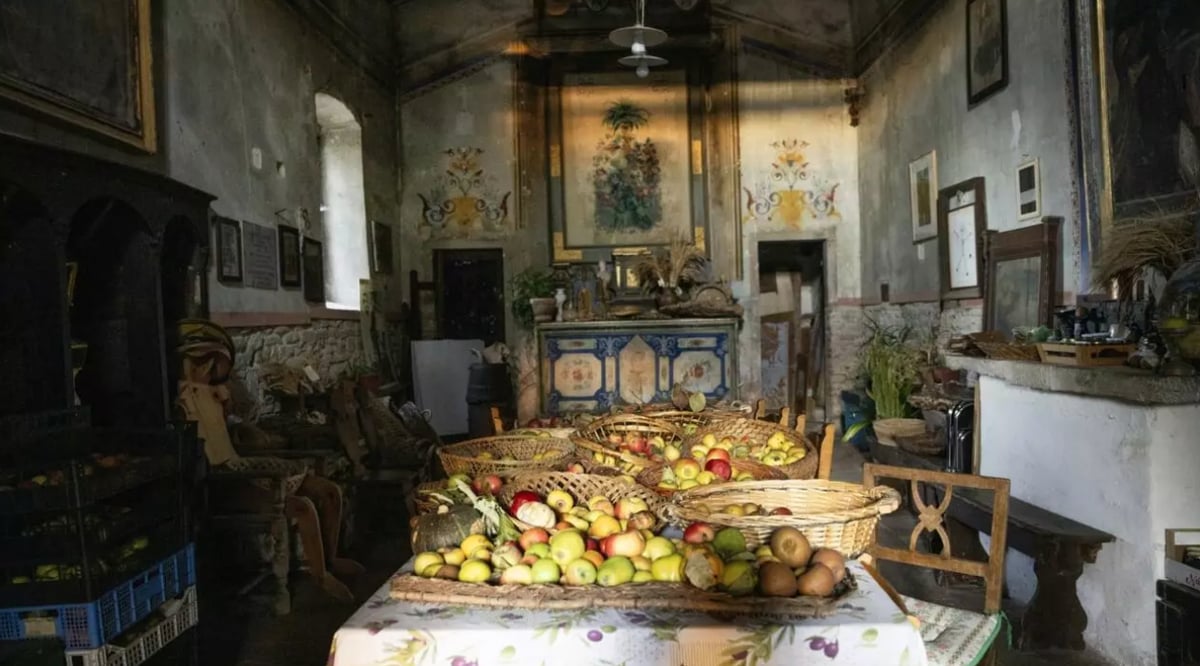
The Archeologia Arborea foundation saves fruit varieties to restore biodiversity and build resilience against climate change
AFP
Text size
The Archeologia Arborea foundation saves fruit varieties to restore biodiversity and build resilience against climate change
AFP
Three decades after the Marcopper mining disaster devastated Marinduque’s waterways, the province is again pressing the…
Housing is probably the biggest issue affecting people the world over.
Malacañang on Monday called for a more thorough investigation into the questioned flood control projects in Taguig…
The defense on Monday backed the move by senator-judges to exclude a prosecution witness who testified on the firearms…
CITTA DI CASTELLO, Italy (AFP) — Isabella Dalla Ragione hunts in abandoned gardens and orchards for forgotten fruits, preserving Italy’s agricultural heritage and saving varieties which could help farmers withstand the vagaries of a changing climate.
The 68-year-old’s collection of apples, pears, cherries, plums, peaches and almonds, grown using methods of old, are more resilient to the climate shifts and extremes seen increasingly frequently in the southern Mediterranean.
The Italian agronomist-turned-detective seeks descriptions of bygone local fruits in centuries-old diaries or farming documents, and sets out to find them.
Others she identifies by matching them to fruits in Renaissance paintings, where they often appear in depictions of the Madonna and Child.
Of the 150 or so varieties collected from Tuscany, Umbria, Emilia-Romagna and Marche and grown by her non-profit Archeologia Arborea foundation, the small, round Florentine pear is among Dalla Ragione’s favorites.
“I’d found it described in documents from the 1500s, but I’d never seen it and believed it lost,” she told Agence France-Presse.
“Then 15 years ago, in the mountains between Umbria and Marche, I found a tree almost in the middle of the woods,” thanks to an elderly local woman who told her about it by chance.
While old varieties are flavorsome, most disappeared from markets and tables after the Second World War as Italy’s agricultural system modernized.
Oral testimonies
Researchers can access the collection, while Dalla Ragione also recreates historical gardens which can host recovered varieties as part of an European Union-funded project.
“We don’t do all this research and conservation work out of nostalgia, out of romanticism,” she said as she harvested pink apples from her trees in the hilly hamlet of San Lorenzo di Lerchi in Umbria.
“We do it because when we lose variety, we lose food security, we lose diversity and the system’s ability to respond to various changes, and we also lose a lot in cultural terms.”
Dalla Ragione has sought answers to fruit mysteries in monastery orchards, the gardens of nobility and common allotments. She has pored over local texts from the 16th and 17th centuries.
She once traced a pear to a village in southern Umbria after reading about it in the diary of a musical band director.
But one of her richest sources on how best to cultivate such varieties has been oral testimonies — and as the last generation of farmers that grew the crops die, much local knowledge is lost.
