
SC unveils key reform measure
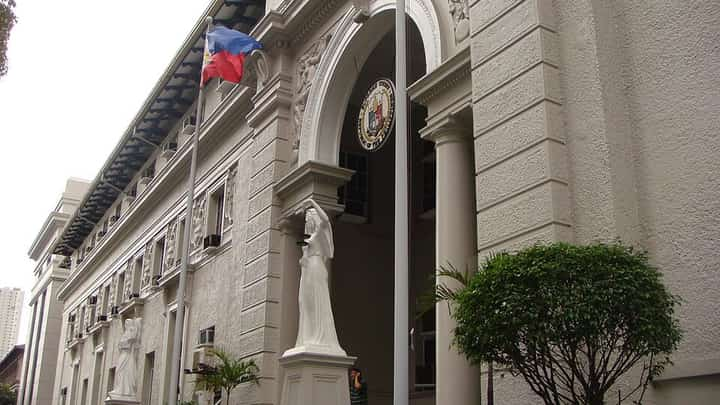
The Supreme Court (SC) has greenlighted the 2025 Code of Judicial Conduct and Accountability (CJCA) that seeks to reform and speed up judicial processes.
Chief Justice Alexander Gesmundo believes the enactment of the measure completed the three-pronged integrity reform initiative aimed at strengthening ethical standards across the judiciary.
It followed the Code of Professional Responsibility and Accountability for lawyers and the Code of Conduct and Accountability for Court Officials and Personnel, forming part of the Court’s integrity framework under the Strategic Plan for Judicial Innovations 2022–2027 (SPJI), which envisions a “responsive, technology-driven, and integrity-centered justice system.”
The high bench said the CJCA offers clearer guidance on core principles of independence, integrity, impartiality, propriety, equality, competence, diligence, and accountability, while adapting to the evolving demands of modern judging.
Rules strengthened
The key provisions of the code are strengthened rules on conflict of interest and financial disclosure, expanded accountability measures linking ethics to performance and discipline, guidelines on the responsible use of technology and social media, and policies promoting gender fairness, inclusivity, and sensitivity in judicial conduct and communication.
The sub-committee, chaired by Associate Justice Maria Filomena D. Singh, crafted the new code after extensive consultations through the 2024 National Ethics Caravan held in Lipa, Davao, Bacolod, General Santos City and Manila.
On 18 November, a special en banc session for the nationwide oath-taking ceremony, when all justices, judges, and court personnel will take their Oath of Ethical Conduct under the CJCA and its companion code for court officials.
It will take effect 15 days after publication in the Official Gazette or in two newspapers of general circulation and after posting on the Supreme Court website.