
Raw, unpolished, necessary: Balay Dolor’s reckoning
Ahead of its official opening, Exit Left Collective’s Balay Dolor: A Live Draft held a press show on Friday, 07 November 2025, 7 p.m., that invited guests and audiences to share feedback. This experimental staging, with script by Iago Guballa and direction by Robert Bradly Hao, highlights the writing over traditional production elements, offering a raw and intimate experience.
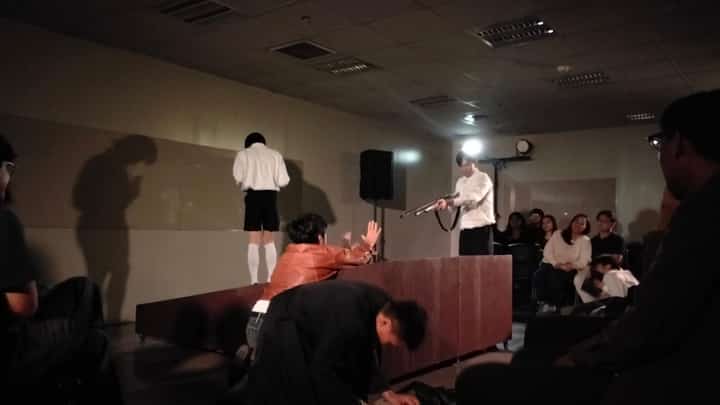
When I first read the synopsis of Balay Dolor: A Live Draft, I braced myself for something heavy. A secluded reformatory school for wayward boys, a lone priest, a wanted brother, and the ten plagues of Exodus? It sounded like it would be brooding and severe, the kind of play that sits in your gut long after it ends.
And yet, when the show began, I found myself laughing. Not the polite, “Oh, clever line” kind of laugh. I mean the full, unexpected kind, one that barks out of you before you can even think of restraining yourself. Because Balay Dolor, for all its weight, knows when to be biting, witty, and absurdly human.
Ahead of its official opening, Exit Left Collective held a press show on Friday, 07 November 2025, 7 p.m., at the Joselito and Olivia Campos Interactive Teaching Lab in Areté, Ateneo de Manila University. Written by Iago Guballa and directed by Robert Bradly Hao, Balay Dolor: A Live Draft invited guests to not only watch but also respond—to share feedback, thoughts, even discomfort.
That invitation already says a lot about what kind of theatre this is.
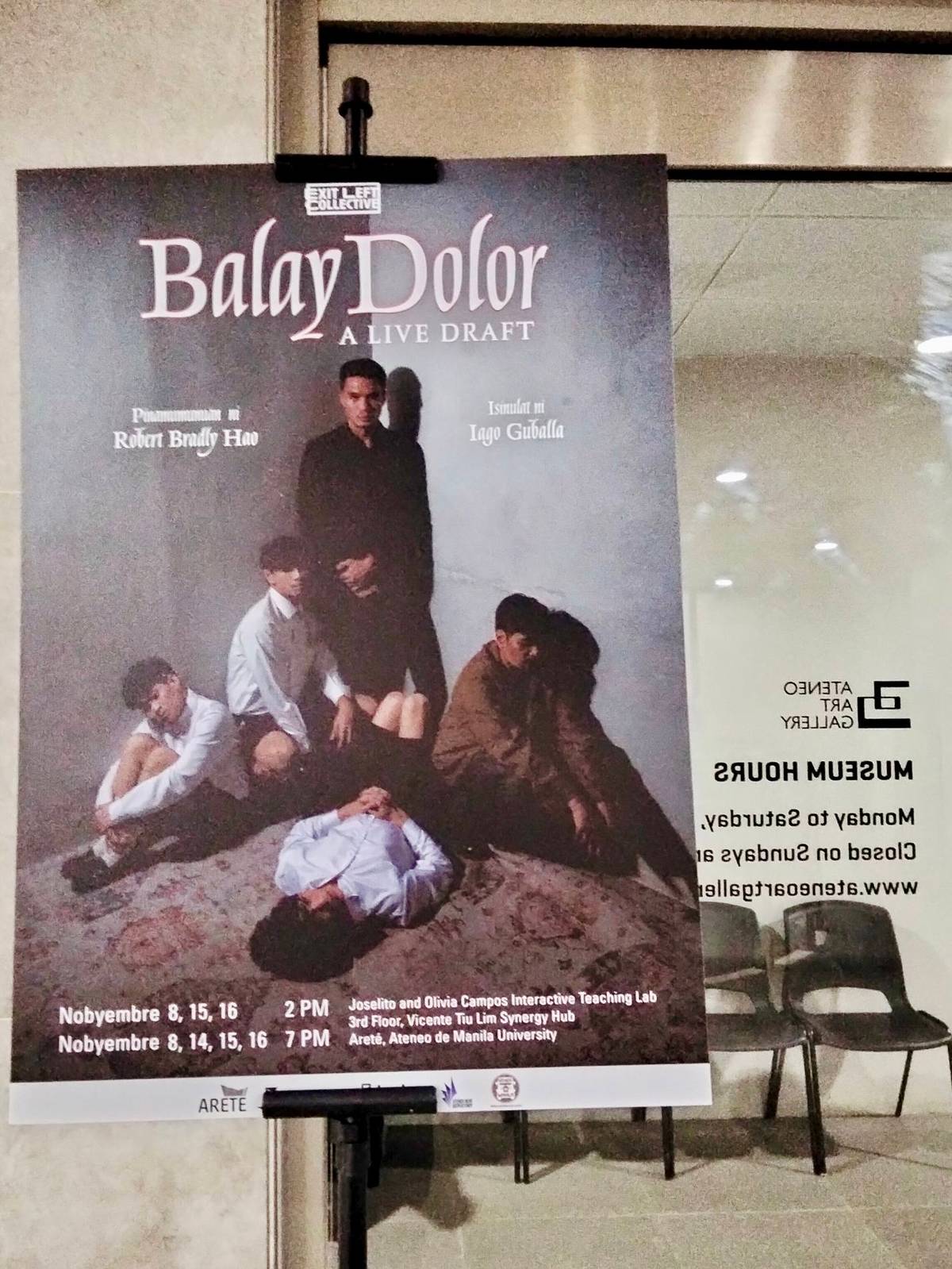
'Balay Dolor: A Live Draft' official poster.
Amelia Clarissa de Luna Monasterial for Daily Tribune
A classroom, not a stage
When I walked into the venue, I immediately noticed how small it was: roughly around 11 by 18 feet, if I had to guess (and I’ll admit, I’m terrible at estimating measurements). The space felt more like a classroom than a theatre, which, as it turns out, was intentional.
Director Robert Bradly Hao said they wanted to strip the production down to its bones. To let the writing take the spotlight instead of the usual spectacle. “It’s a live draft,” they said. The label wasn’t just a gimmick. It was a declaration that what we were about to see was still raw. It was in process, unpolished, and open to transformation.
That choice worked. The intimacy of the room made every movement, every line, and every silence feel magnified. You could feel the actors breathe. When they delivered lines of anger or heartbreak, it was hard not to feel it was being directed at you. The minimal set didn’t feel like a limitation; it felt like an invitation to imagine something more. As the show unfolded, that bareness mirrored its emotional landscape—vulnerable, exposed, and searching.
It reminded me of Luigi Pirandello’s Six Characters in Search of an Author, first staged in 1921 in Rome, where audiences were unsure whether they were witnessing a rehearsal or a finished play. Balay Dolor gave me that same exhilarating uncertainty, the sense that I was watching something alive, constantly rewriting itself before my eyes.
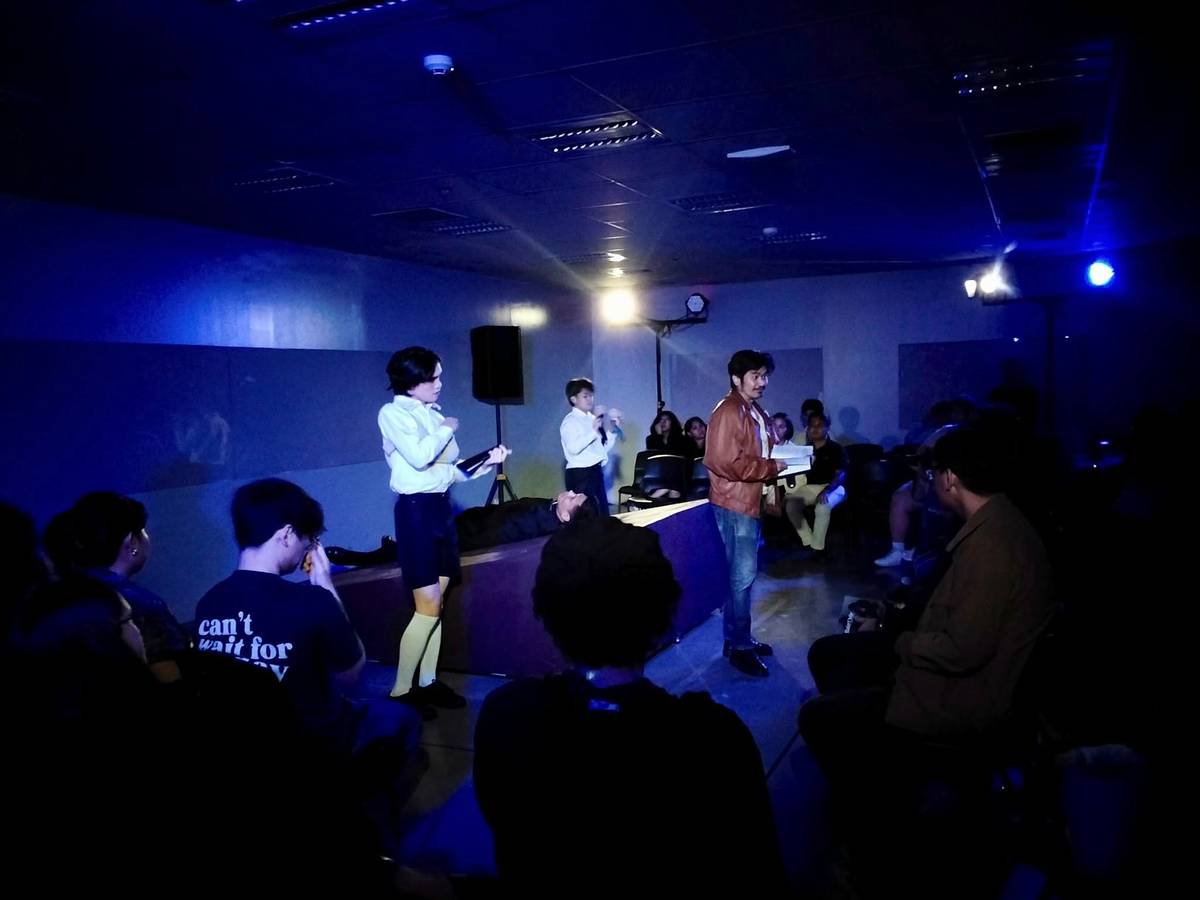
Experimental and minimal production elements allowed for more focus on the writing and served as a conversation starter for future productions and adaptations of the play.
Amelia Clarissa de Luna Monasterial for Daily Tribune
A reckoning in faith, desire, and guilt
Set in the 1980s but peppered with anachronistic nods—from Whitney Houston’s “Greatest Love of All” and Belinda Carlisle’s “Heaven Is a Place on Earth” to Lana Del Rey’s “Gods & Monsters”—Balay Dolor collapses time. It’s a play that exists in multiple moments at once: past, present, and some lingering purgatory in between.
The story’s themes of religious and familial trauma, homosexuality, homophobia, guilt, and desire are handled with a sharp, unflinching pen. Guballa’s script doesn’t shy away from poking at the institutions that shape and sometimes damage us. It interrogates purity culture and the suffocating expectations imposed by faith, without ever losing sight of the tenderness at the heart of its characters.
These boys and men are not easy to love. They sin, lie, hurt, and hide. But they are also, unmistakably, human. Watching them, I found myself oscillating between anger and empathy, a reaction that felt intentional. Because the play doesn’t ask you to forgive them; it only asks you to understand.
As Hao explained, the show isn’t about excusing bad actions or romanticizing pain. It’s about showing where people come from, how guilt and desire can twist something as pure as love into something destructive. Especially in a deeply Christian country like the Philippines, where purity culture often dictates morality, it’s important to recognize that some parts of that system hurt more than they heal.
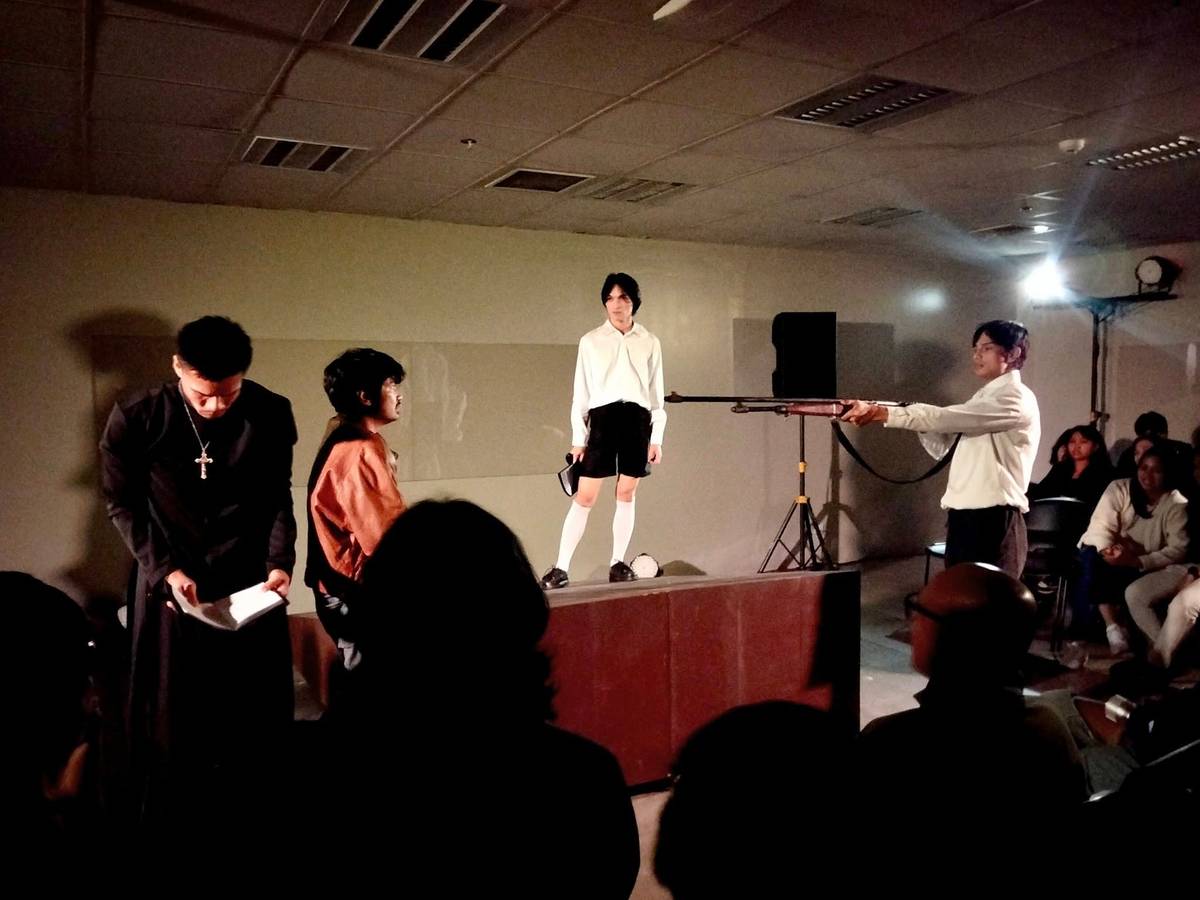
A tense, emotional scene of reckoning in Act 2 of 'Balay Dolor: A Live Draft.'
Amelia Clarissa de Luna Monasterial for Daily Tribune
Theatre in the process
What makes Balay Dolor even more fascinating is its process-driven spirit. Both Guballa and Hao are Ateneo alumni who first staged Balay Dolor in 2020 virtually, during the pandemic. Picture this: actors performing in front of their own cameras, scenes stitched together from separate rooms. It was a logistical nightmare but also a creative triumph. Instead of immediately mounting a polished, full production after that, they decided to go back to the basics.
“This live draft version is a conversation starter,” Hao said. They wanted people to see the process and to experience how a play evolves. After the show, Hao stood in front of the audience and welcomed them outside the venue to chat, saying, “Mag-chikahan tayo.” (“Let’s chat.”) It felt very personal and intimate, embodying the collaborative nature of theatre.
That openness feels revolutionary in the local theatre scene. Philippine theatre has always been rich, but it’s rare to see a company boldly invite the audience into the messy middle, the uncertainty before a play becomes “finished.” Guballa and Hao are not guarding Balay Dolor like a secret. In fact, they encourage other companies to take it, restage it, and reimagine it.
And that, perhaps, is the most radical thing about this project.
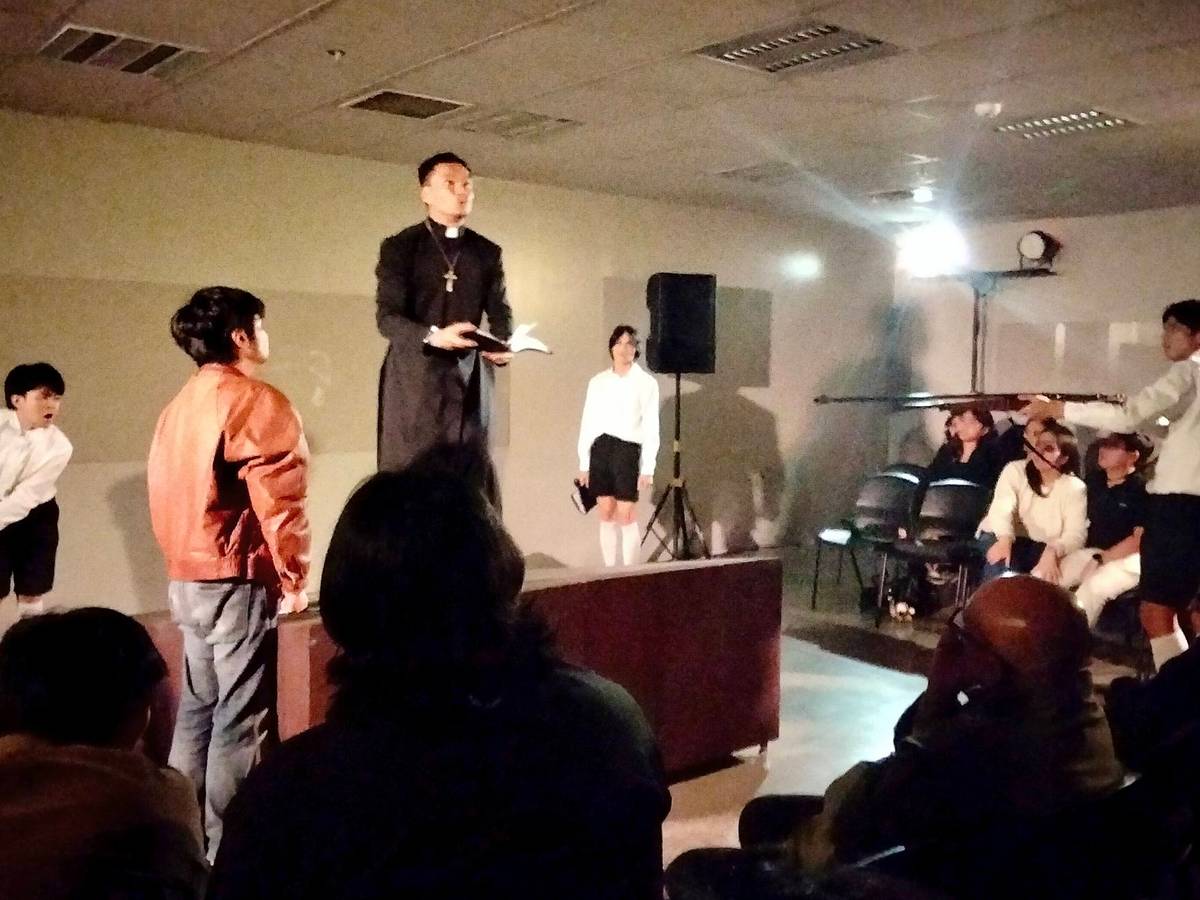
The intimate venue allowed for a more personal connection with the material and the actors' performances.
Amelia Clarissa de Luna Monasterial for Daily Tribune
A necessary discomfort
It’s easy to call Balay Dolor “dark.” It is dark, but that darkness isn’t the point. It’s the medium. Beneath it lies a call for empathy and reflection. The show forces us to confront how faith, family, and repression shape our desires and guilt.
Watching it, I thought about how many real people live variations of this story every day—how trauma, shame, and silence still persist in spaces that claim to heal. Balay Dolor doesn’t offer answers, but it insists that we start asking the right questions.
If you’re going to watch it, know that it’s not a casual experience. The production provides content warnings, and for good reason. It will challenge you. It might even trigger you. But maybe that’s the point, because discomfort can be the beginning of catharsis.
In many ways, Balay Dolor feels like a cross between Spring Awakening, Bare: A Pop Opera, Heathers, and even Arundhati Roy’s The God of Small Things. It’s musical in rhythm, brutal in honesty, and poetic in despair.
I believe Balay Dolor could change Philippine theatre. Not because it’s perfect, but because it’s willing to be imperfect in public.
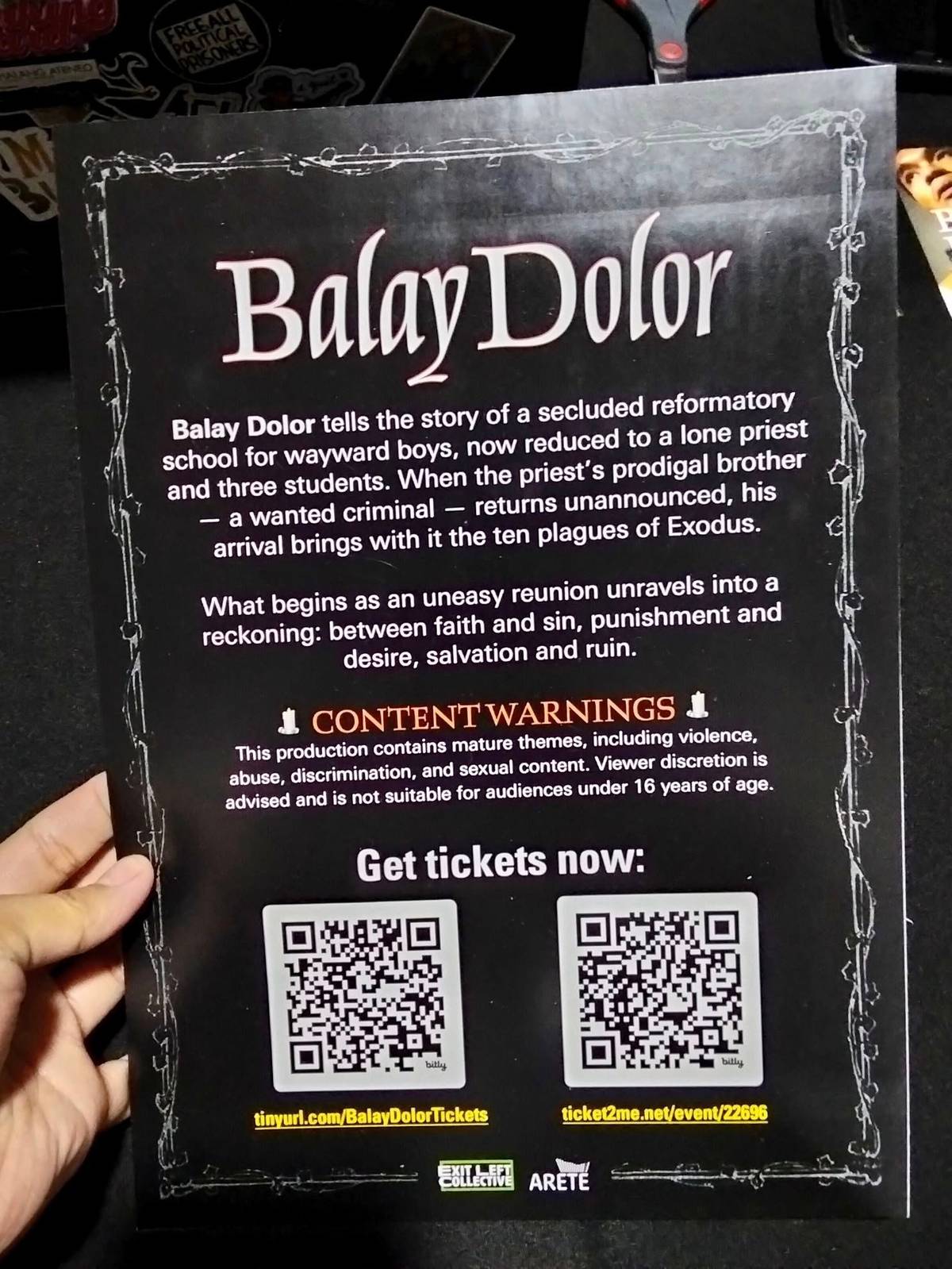
Synopsis, content warnings, and links for ticket purchase of the production.
Amelia Clarissa de Luna Monasterial for Daily Tribune
The promise of something more
Both Guballa and Hao see Balay Dolor: A Live Draft as an act of giving back to Ateneo, to Areté, and to the community that helped form them as artists. “It’s a very generous space,” Hao said. Their gratefulness cannot be understated. They remarked that they knew Ateneo would always be the space where they would get honest feedback that would help them continue growing even outside their formal training as theatre artists. Going back to Ateneo was like a tribute to the institution that raised them.
But it’s more than that. This production is a love letter to the process, to the in-between, to the rehearsal, to the raw version before the polish. It’s a quiet rebellion against the idea that theatre must always be finished, complete, perfect.
If Six Characters in Search of an Author redefined what theatre could be a century ago, Balay Dolor might just be the local counterpart that redefines what theatre could become now.
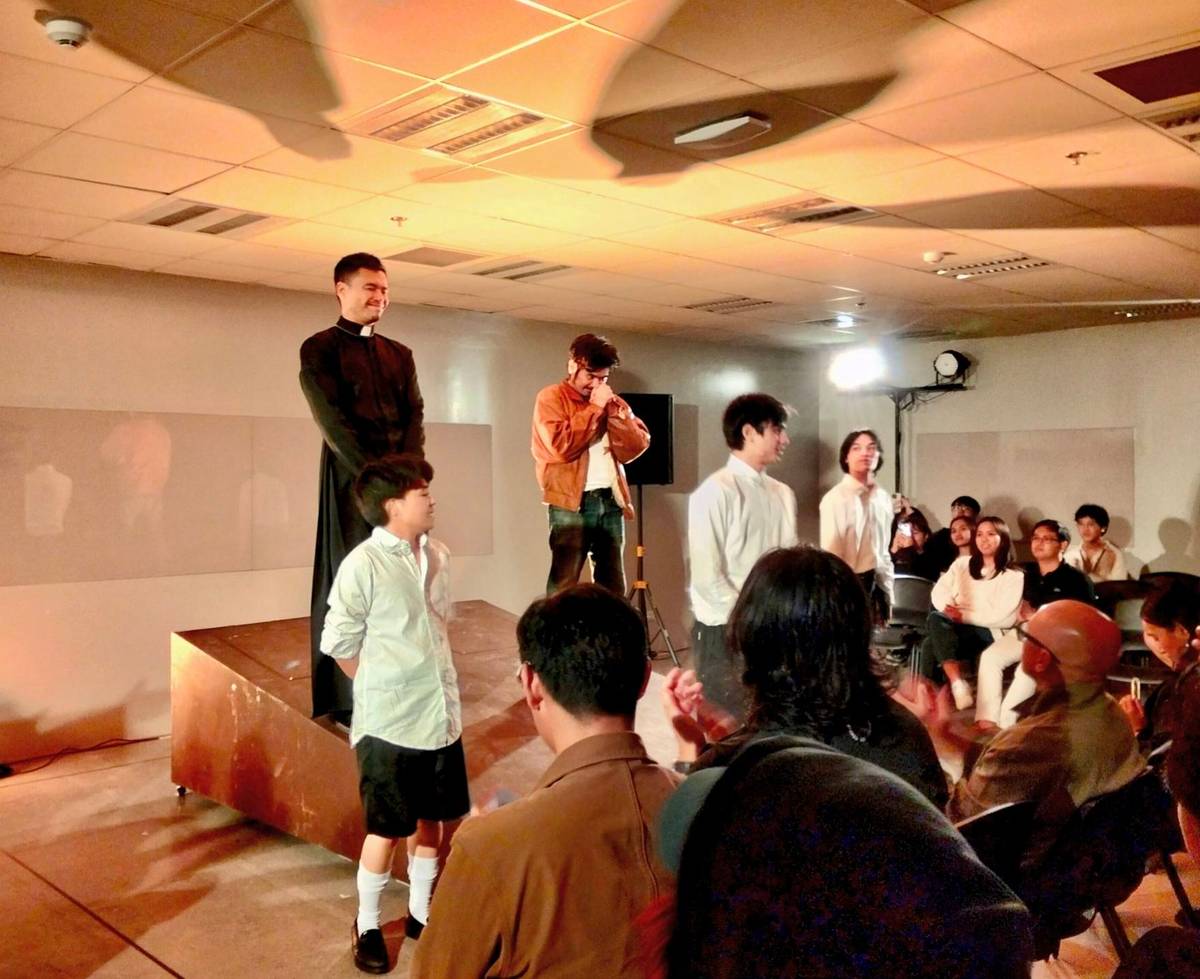
The five-star cast takes their bows after the 7 November press show.
Amelia Clarissa de Luna Monasterial for Daily Tribune
Catch ‘Balay Dolor: A Live Draft’
📍 Joselito and Olivia Campos Interactive Teaching Lab, Areté, Ateneo de Manila University
🗓 2 p.m. shows on 08, 15, and 16 November
🗓 7 p.m. shows on 08, 14, 15, and 16 November
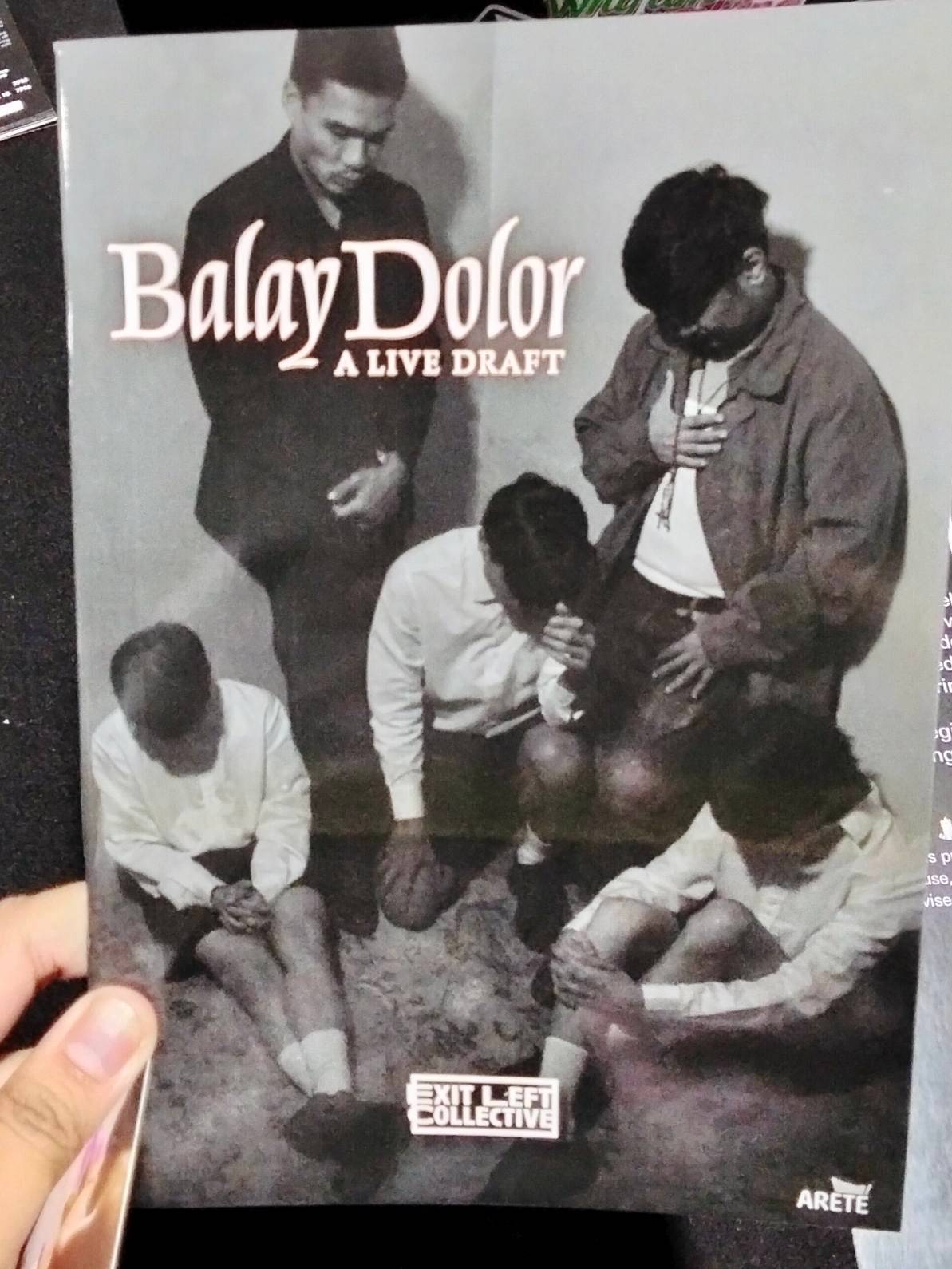
Theatre program available for purchase at only P350.
Amelia Clarissa de Luna Monasterial for Daily Tribune
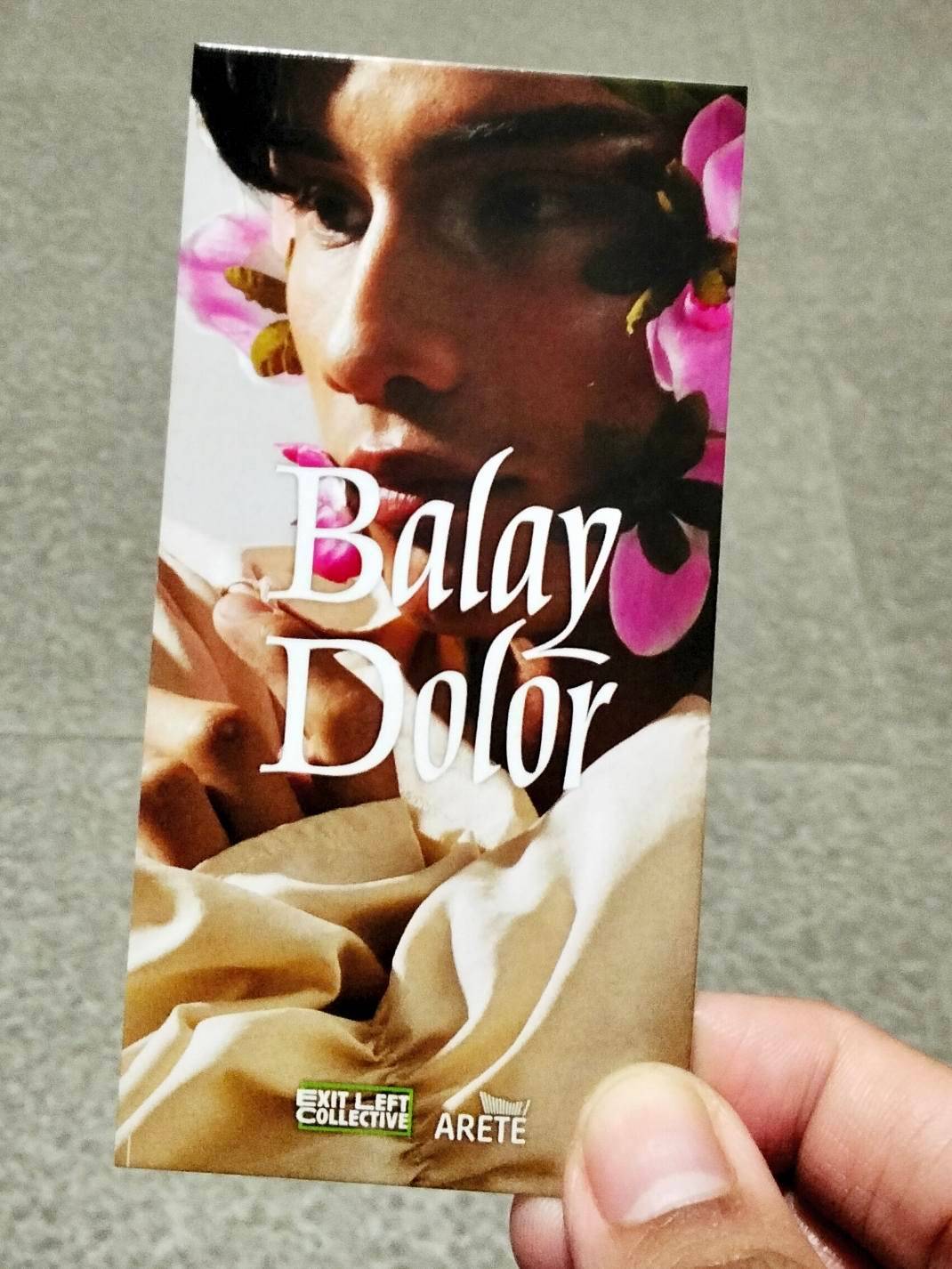
One of five ticket designs for Exit Left Collective's staging of 'Balay Dolor: A Live Draft.'
Amelia Clarissa de Luna Monasterial for Daily Tribune

Exit Left Collective's partner cafe @drawdowncoffee on Instagram delivered free cold brews for the press show.
Amelia Clarissa de Luna Monasterial for Daily Tribune