




Kyline Alcantara: why breast health matters


Text size
Early awareness saves lives and the first step is getting to know your own body.
user4

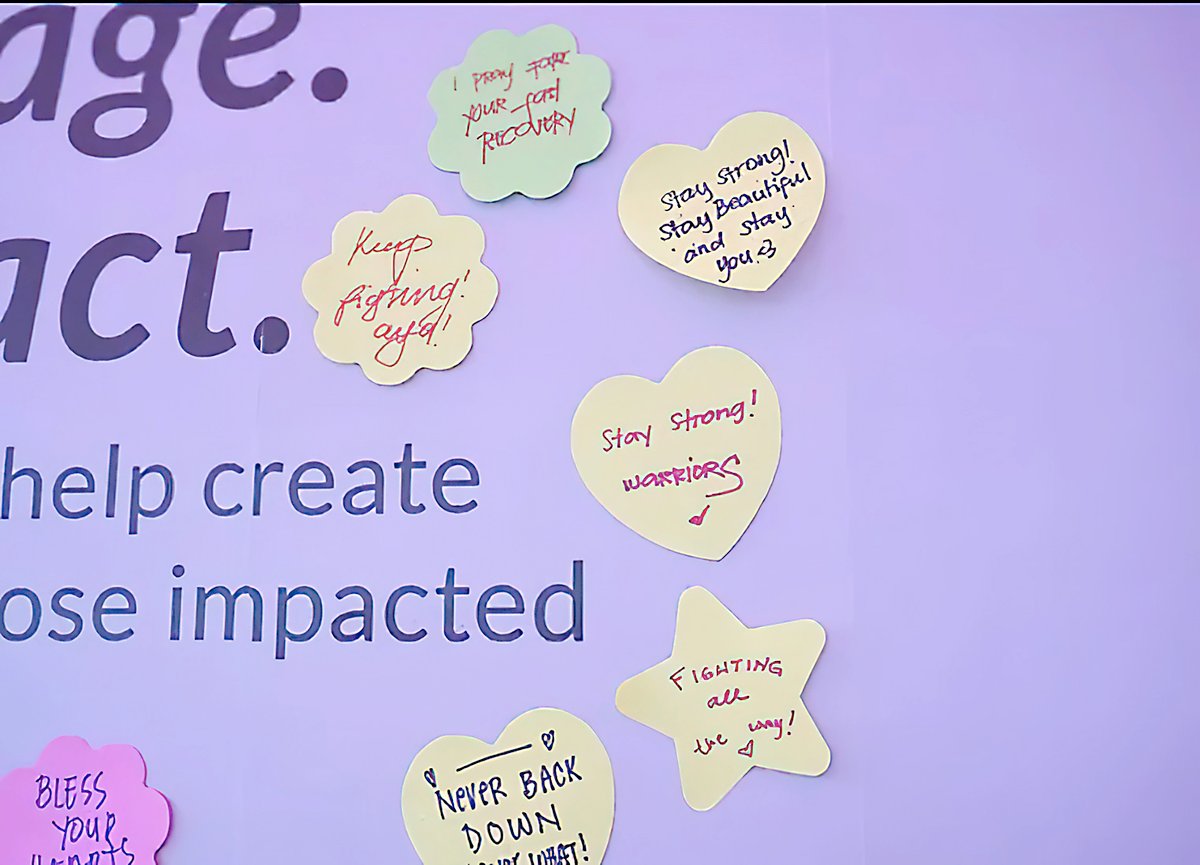
THE Pink Campus Tour, brings the conversation about breast health.
user4
Know the signs. Know the risk. Know how to take action.
Breast cancer remains the most common cancer among women, affecting 1 in 8 globally. More and more young women in their 20s and 30s are being diagnosed, disproving the belief that it’s “too early” to worry. The good news is that when breast cancer is detected early — while it’s still in its localized stages — the five-year relative survival rate reaches an incredible 99 percent.
For over three decades, Avon has stood at the forefront of this fight. Since 1992, the brand has donated more than $951 million to breast cancer causes, educated 180 million people, and funded screenings for over 20 million women worldwide.
Its Breast Cancer Promise aims to ensure women know the signs, know the risks, and know how to take action especially now that younger women are being affected at an alarming rate.
The brand’s ongoing nationwide initiative, the Pink Campus Tour, brings the conversation about breast health to schools and universities. It’s a movement that empowers students to normalize discussions around breast awareness and adopt lifelong habits for early detection. Among those who champion this cause is Kyline Alcantara, who uses her voice to remind the youth that taking care of your body should start now, not later.
“It’s never too early to take care of your breast health. Early detection can make a big difference, and I hope more young women feel comfortable talking about it. We can learn and remind each other to ‘feel yourself’ through regular self-checks and look after our health,” shared Kyline Alcantara.
Housing is probably the biggest issue affecting people the world over.
Malacañang on Monday called for a more thorough investigation into the questioned flood control projects in Taguig…
The defense on Monday backed the move by senator-judges to exclude a prosecution witness who testified on the firearms…
Early awareness saves lives and the first step is getting to know your own body. Start by gently touching your breasts using the pads of your fingers, applying light pressure to feel for any unusual lumps or thickened areas.
Check your areolas and nipples for any discharge or texture changes, and observe the skin for dimples, swelling, or redness. Notice any differences in size, color, or shape.
It’s best to do this three to five days after your period, when your breasts are least tender. You can do it in the shower, lying on your bed, or even while standing in front of the mirror. The goal is to make this a habit because the earlier you spot something unusual, the better your chances for early treatment.
According to the American Cancer Society, common warning signs include new lumps in the breast or underarm, swelling, skin dimpling that makes it look like an orange peel, nipple discharge that isn’t breast milk, or changes in the shape and size of the breast. The Mayo Clinic also adds that any persistent redness, flaking, or inward-turning nipple should prompt a check-up.
