
O-Kei move
BYD Racco aims to energize Japan’s small car segment


BYD is going small in Japan with its latest concept called the Racco, a compact electric car designed to fit the country’s kei car standards. The model made its first appearance at the Japan Mobility Show and marks BYD’s first vehicle developed specifically for a market outside China.
Atsuki Tofukuji, president of BYD Auto Japan, said the team built the Racco from the ground up to meet Japan’s kei requirements. He added that over 100 prototypes have already been produced for testing, though details on final specifications and pricing have not been disclosed.
Kei cars play a major role in Japan’s car culture. They’re tiny, affordable, and easy to drive on narrow streets, which makes them a popular choice among city drivers. They accounted for roughly 36 percent of new car sales in fiscal year 2024.
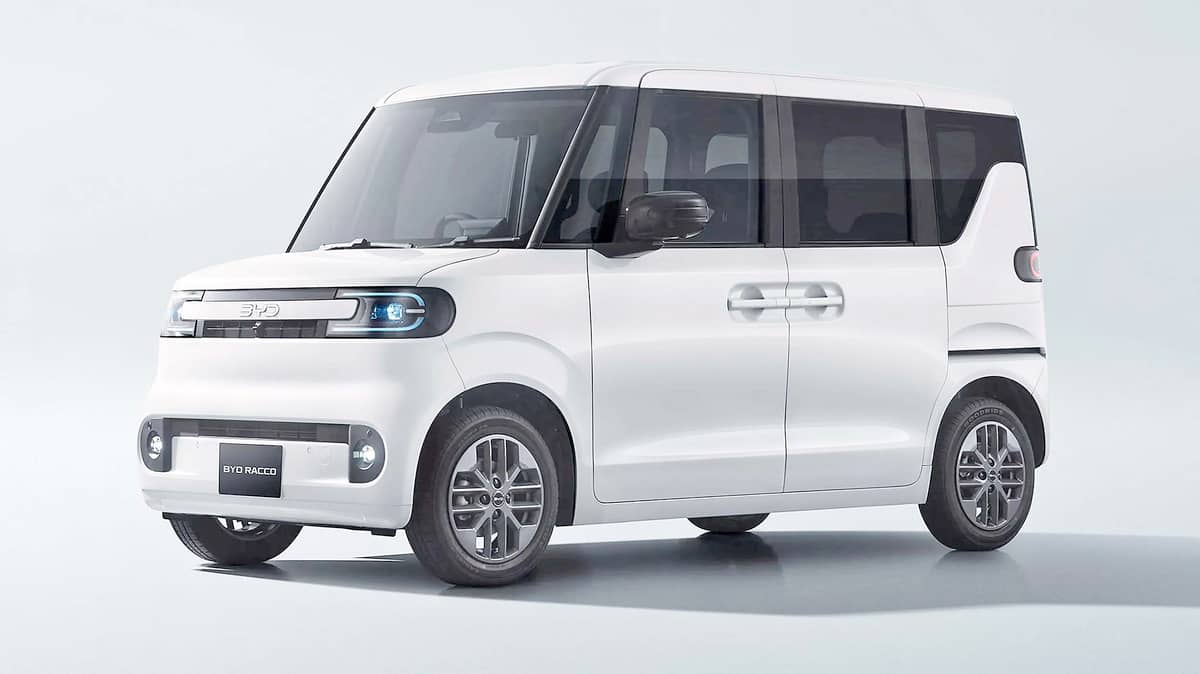
FRONT design keeps the boxy kei-car shape with clean lines and short overhangs.
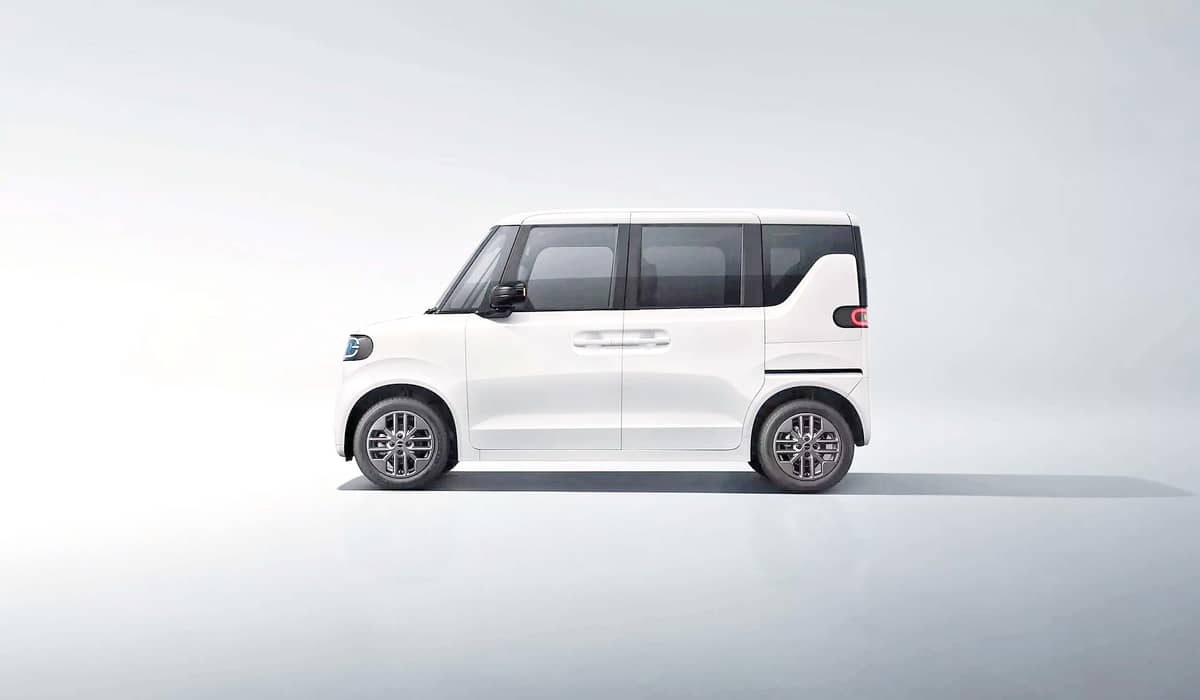
PROFILE shows compact dimensions suited for Japan’s narrow city roads.
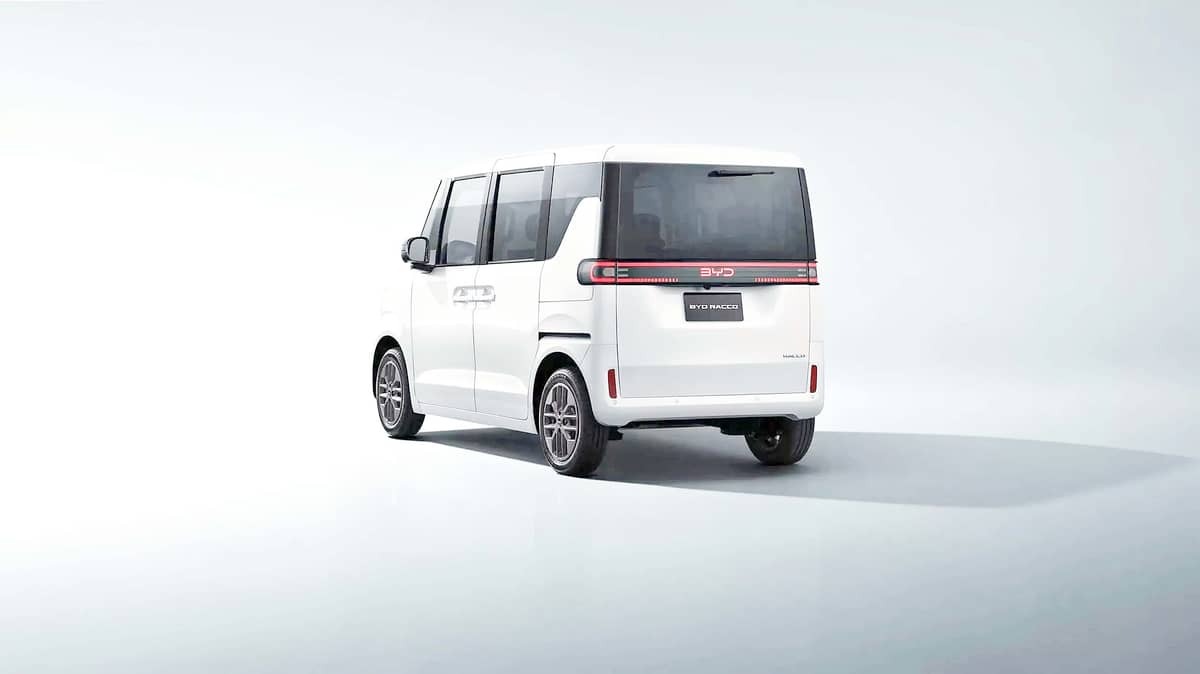
REAR features a light bar that spans the width that highlights the illuminated BYD badge.
But electric vehicles still make up only a small slice of the market, with around 1.4 percent of new cars in the first half of the year being fully electric. BYD hopes the Racco can help change that.
The Racco sticks to the kei size limits with a length of 3,395 mm, a width of 1,475 mm, and a height of 1,800 mm. Its upright and boxy look features sliding rear doors, a closed front panel with C-shaped LED lights, and black accents around the mirrors and rear section.
A lighted BYD badge sits at the back. The car is built for four passengers, with a digital dashboard and a central touchscreen expected on the inside.
Power is sent to the front wheels through a single motor. The Racco uses BYD’s Blade battery and will be offered in two versions: Short Range and Long Range.
Range figures are not final, but early reports suggest about 180 kilometers on Japan’s WLTC test cycle using a 20 kWh pack. Fast charging of up to 100 kW is being targeted.
BYD only began selling passenger cars in Japan in 2023 and has delivered about 7,100 units so far. Domestic brands continue to lead, with models like the Nissan Sakura dominating EV sales for three straight years.
Entering the kei EV space puts BYD in direct competition with established local players.
The Racco is being developed exclusively for Japan, with no current plans for release elsewhere.
Japan’s shift to EVs has been slow, partly because hybrids remain the more practical option for many drivers. Charging access also remains limited in some areas. That’s why the Racco’s appeal may lie in its simplicity. It’s easy to maneuver and built for quick trips in tight city streets.
If the Racco can balance range, cost, and convenience, it could find a niche among Japanese buyers ready to take their first step into electric driving. It represents BYD’s most focused attempt yet to fit into Japan’s unique motoring landscape.