




Haunted places
Despite its serene aesthetic, it’s said to be haunted by wartime spirits and the tragic history.


Text size
Despite its serene aesthetic, it’s said to be haunted by wartime spirits and the tragic history.
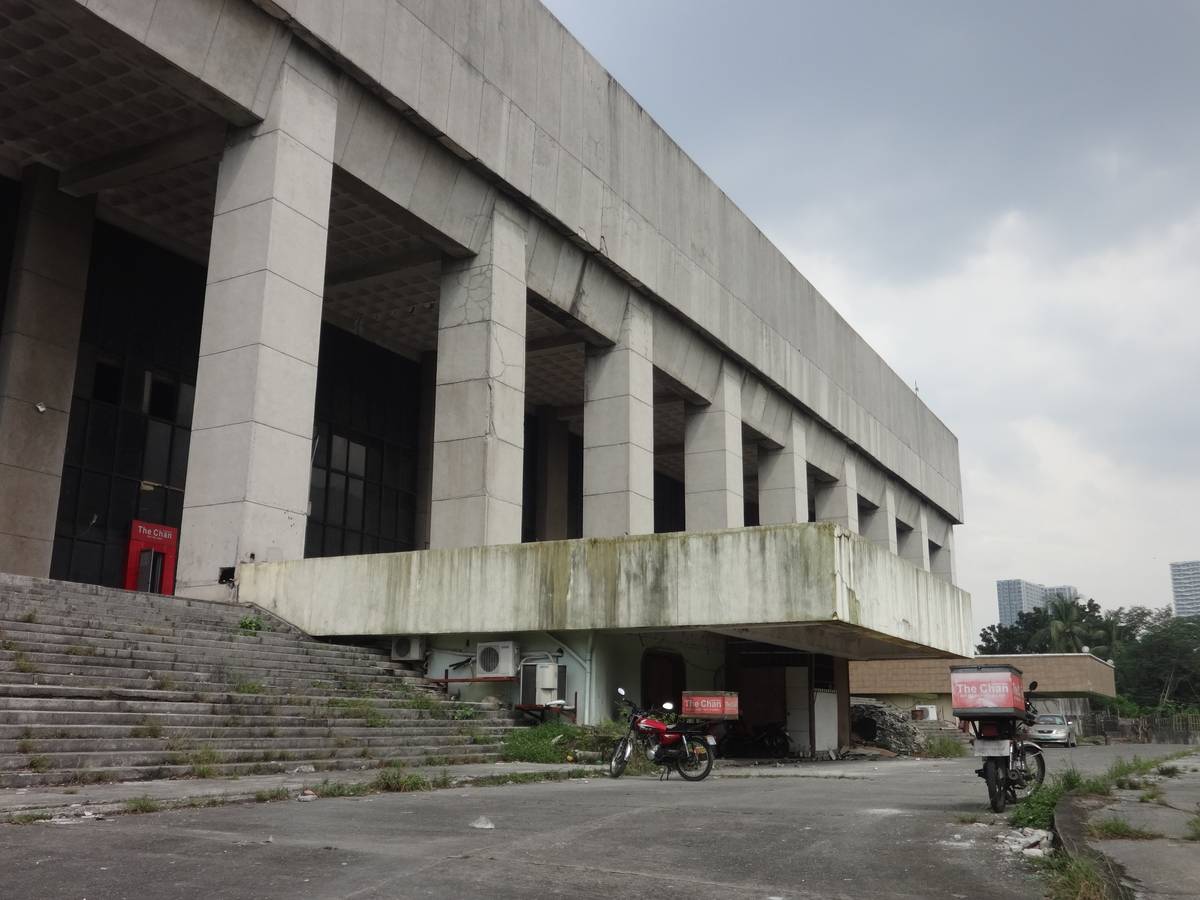
MANILA Film Center
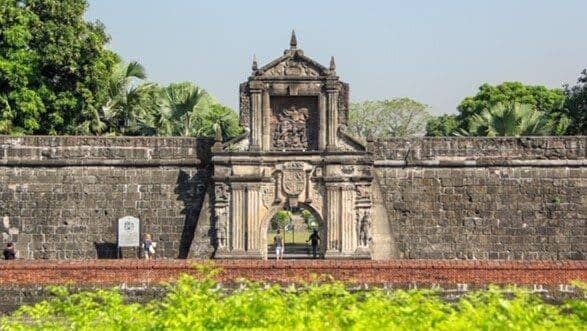
FORT Santiago
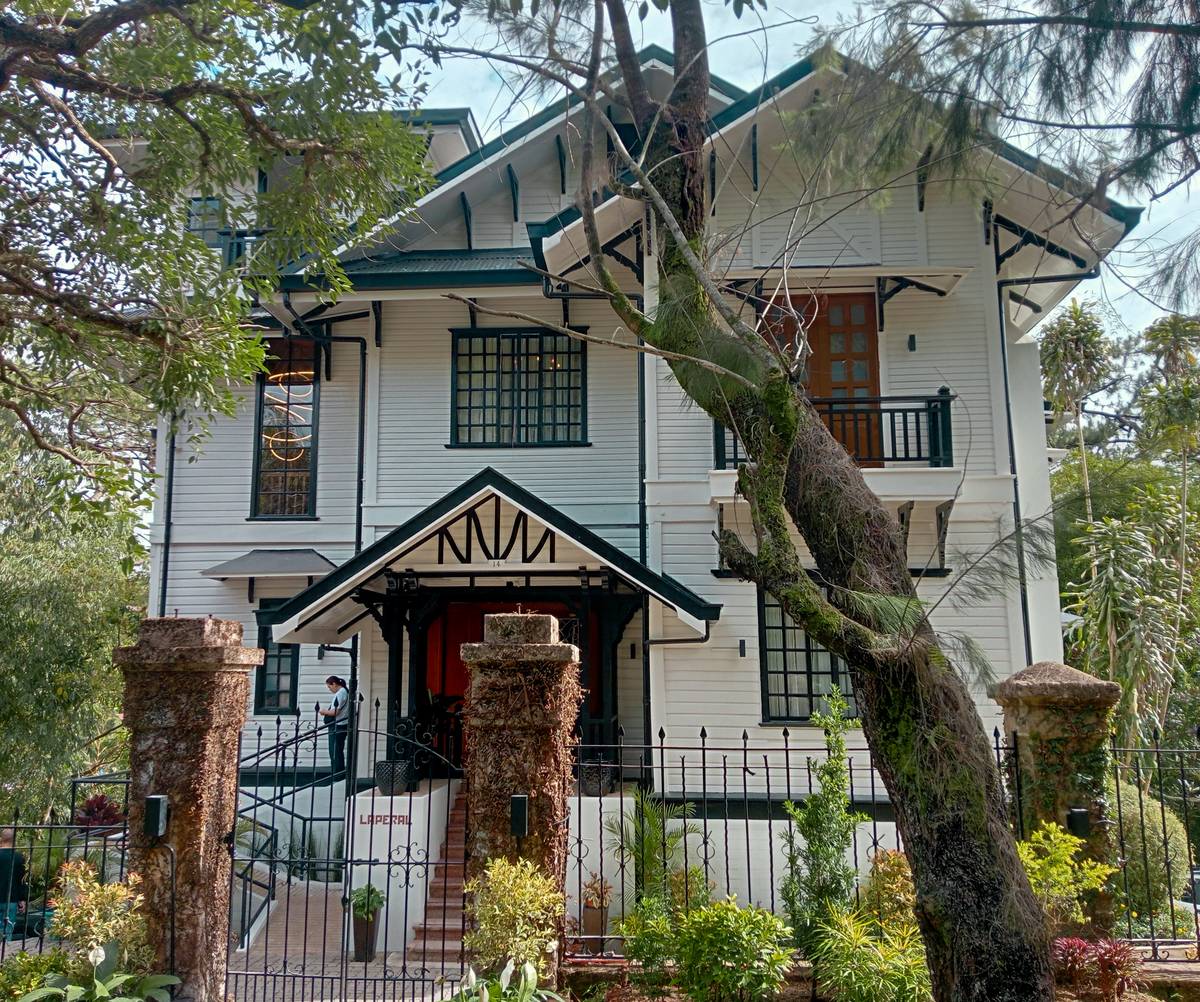
LAPERAL House
Haunted spaces often carry a strange duality in the Philippines wherein eerie legends meet architectural beauty.
The Laperal White House in Baguio, for instance, is a colonial-style home with gleaming white woodwork and vintage interiors that now houses bamboo art installations. Despite its serene aesthetic, it’s said to be haunted by wartime spirits and the tragic history of the
Laperal family.
Just across town, the Diplomat Hotel looms with brutalist symmetry and religious remnants. Though abandoned, its stone arches and solemn corridors still draw visitors intrigued by tales of ghostly apparitions and disembodied cries.
The Manila Film Center in Pasay offers another layer of haunted elegance, with massive columns and darkened theater halls that echo the tragedy of a construction accident in 1981.
In Cebu, Casa Gorordo blends Spanish-era charm with ancestral echoes. Hardwood floors, antique furniture, and religious relics create a warm, museum-like atmosphere, even as whispers of ghostly figures persist in the upper floors.
Meanwhile, Balete Drive in Quezon City is less a single structure and more a stretch of gothic residential architecture, where wrought iron gates and vintage chandeliers set the stage for the infamous white lady sightings.
Fort Santiago in Intramuros stands as a solemn fortress with candlelit chapels and stone dungeons. It’s a place of historical reverence, but also of lingering spirits from the Spanish era and World War II.
In Iloilo City, the Old Provincial Jail has been transformed into a museum, its exposed brick and steel bars now part of a restored heritage space that still carries the weight of its past inmates.
These spaces are archives of Filipino history, grief and design. Their interiors invite reflection, even as their legends invite chills.
Housing is probably the biggest issue affecting people the world over.
Malacañang on Monday called for a more thorough investigation into the questioned flood control projects in Taguig…
The defense on Monday backed the move by senator-judges to exclude a prosecution witness who testified on the firearms…
