
The haunting aesthetic of analog horror

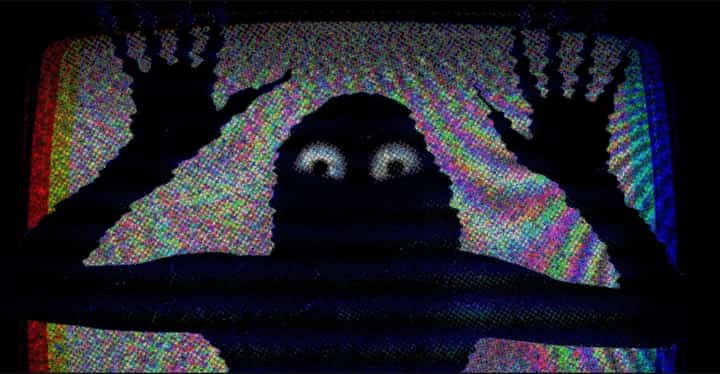
Flickering VHS tapes, grainy television static, and distorted emergency broadcasts—analog horror thrives in the space between nostalgia and dread, turning the familiar into a source of unease.
Unlike traditional Hollywood horror, which relies on jump scares and overt monsters, analog horror is subtle, psychological, and deeply rooted in media itself.
At its core, analog horror is a genre built around found footage, distorted broadcasts, and retro technology. Its appeal lies not just in scares, but in the uncanny way it transforms everyday media into a conduit for fear. The genre often blurs the line between reality and fiction, using grainy images, warped audio, and cryptic messages to unsettle viewers in ways that feel both intimate and immediate.
Much of its popularity stems from the nostalgia it evokes for the 1980s and 1990s. In an era when VHS tapes, CRT televisions, and analog signals were the norm, these once-familiar forms now carry a sense of both comfort and unease. Series like Local 58 and The Mandela Catalogue tap into this nostalgia, repurposing obsolete media aesthetics to explore deeper cultural anxieties. By doing so, analog horror turns the tools of the past into instruments of contemporary psychological tension.
Beyond aesthetic nostalgia, analog horror also serves as cultural commentary. It reflects a generation’s anxieties over media saturation, the fallibility of memory, and the unpredictable potential of the everyday. A distorted voice on a grainy tape or a flickering emergency broadcast is not just eerie—it is a reminder of how technology mediates perception and memory, and how easily the familiar can become threatening.
In many ways, analog horror is an artistic experiment in storytelling. Its creators manipulate sound, visuals, and pacing to provoke emotional and cognitive responses, often leaving narrative threads unresolved. This open-ended approach encourages viewers to interpret and internalize fear, rather than being passively entertained. It’s a form of horror that engages the intellect as much as the senses.
Ultimately, analog horror demonstrates that fear and artistry are inseparable when media itself becomes the medium of unease. In flickering static and distorted broadcasts, the genre reminds us that the intersection of memory, technology, and fear can be both profoundly unsettling and deeply cultural. As audiences continue to seek experiences that challenge and haunt them, analog horror stands out as a genre that is as much about reflection on society as it is about the thrill of fear.